
Sainte Pexine was a virgin and martyr whose historical period and exact origins are subject to debate. While some traditions place her death around 726, other accounts suggest she may have lived during the early 4th century. Often identified with various other figures such as Pazanne or Pezenne, she is frequently described as a Spanish woman who fled to the Poitou region of France. Whether she was a princess or a simple ascetic, her life is characterized by her devotion and her eventual death following a period of flight and hardship.
Life and death


Hagiographical accounts offer different versions of her life. One tradition claims she fled Spain to escape a Roman praetor, while another describes her as a Spanish princess pursued by a lord named Olivier. After fleeing through forests and desolate areas, she reportedly died of exhaustion near Niort. Her death is associated with several locations, including the site now known as Sainte-Pezenne.
Veneration and legacy
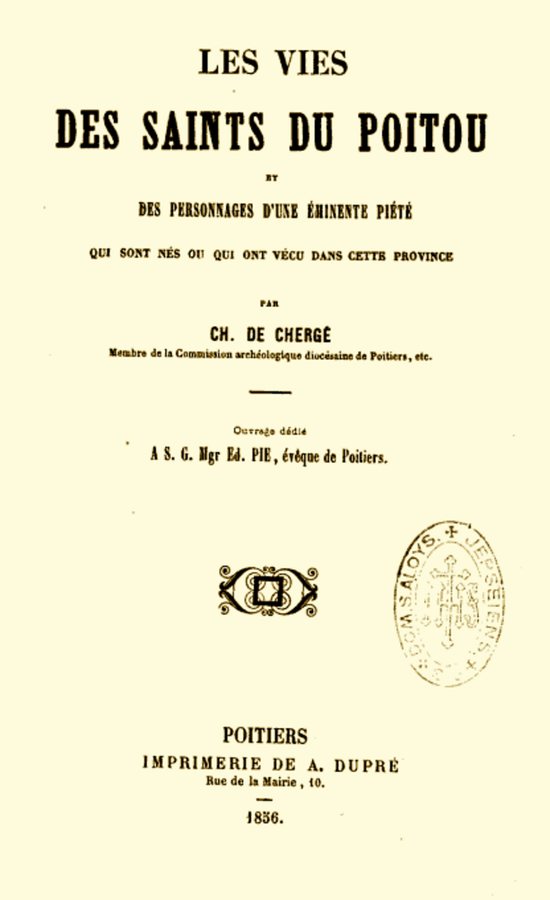
Her relics were reportedly moved to Saint-Quentin by the Count of Vermandois, who established a collegiate church in her honor. The saint is known by many different names across various traditions, including Persévérande and Pechine. Her influence is reflected in several French place names, such as Sainte-Pexine and Sainte-Pazanne, and she is commemorated in both Catholic and Orthodox calendars.