factograf
EN
Sign in

federal city and former capital of Russia

Saint Petersburg

Saint Petersburg

Saint Petersburg is the second-largest city in Russia after Moscow, the nation's capital. Situated on the Neva River at the head of the Gulf of Finland on the Baltic Sea, it is governed as a federal city. It has more than 5.6 million residents and is the world's northernmost city with over one million people. As the former capital of the Russian Empire and a historically strategic Baltic port, it remains an important economic, scientific and cultural centre.

Founding and Names
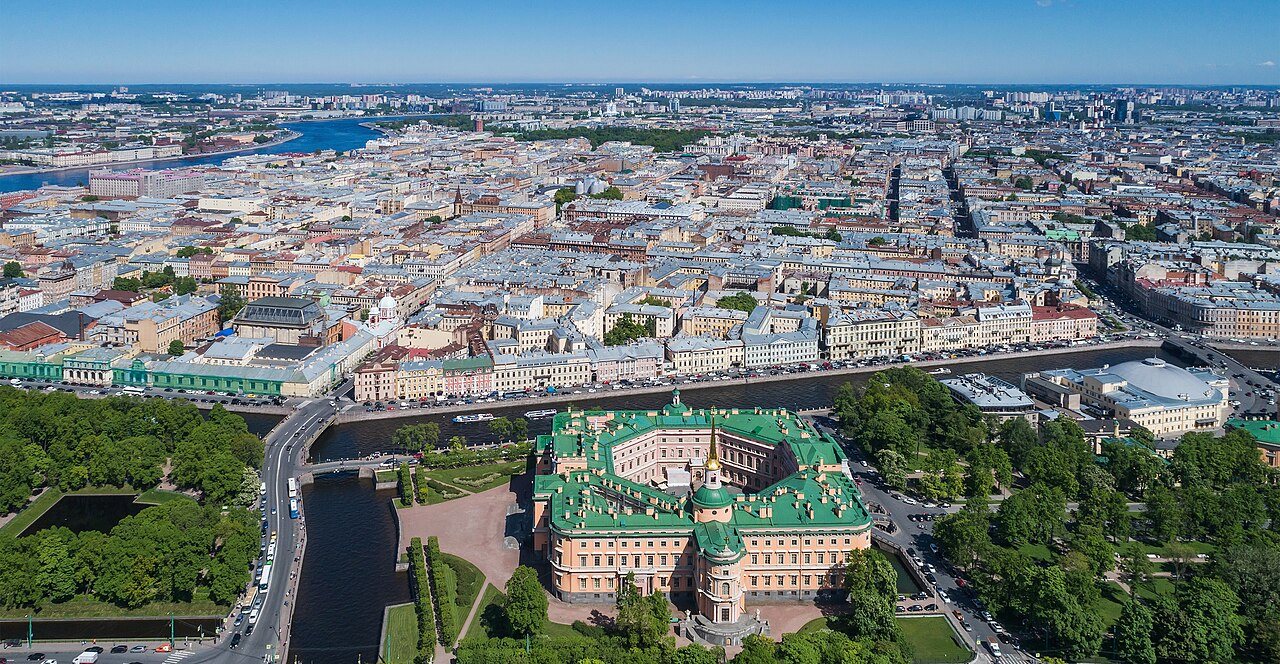
St Michael's Castle in Saint Petersburg, June 2017
Panorama of the Winter Palace
Palace Bridge in Saint Petersburg
Aerial view of the Peter and Paul Cathedral, Saint Petersburg, 2016
Saint Isaac's Cathedral in Saint Petersburg
Western Military District buildings and arch in Saint Petersburg
Moika river embankment in Saint Petersburg
Lakhta Center, 2021
Lakhta Center, 2021
Avtovo station on Line 1 of the Saint Petersburg Metro
Although not originally named for Tsar Peter the Great, the city was changed from the German-derived "Petersburg" to "Petrograd" in his honour during World War I.
From 1924 to 1991 the city was known as Leningrad. This photo of the port entrance shows an old Leningrad sign.
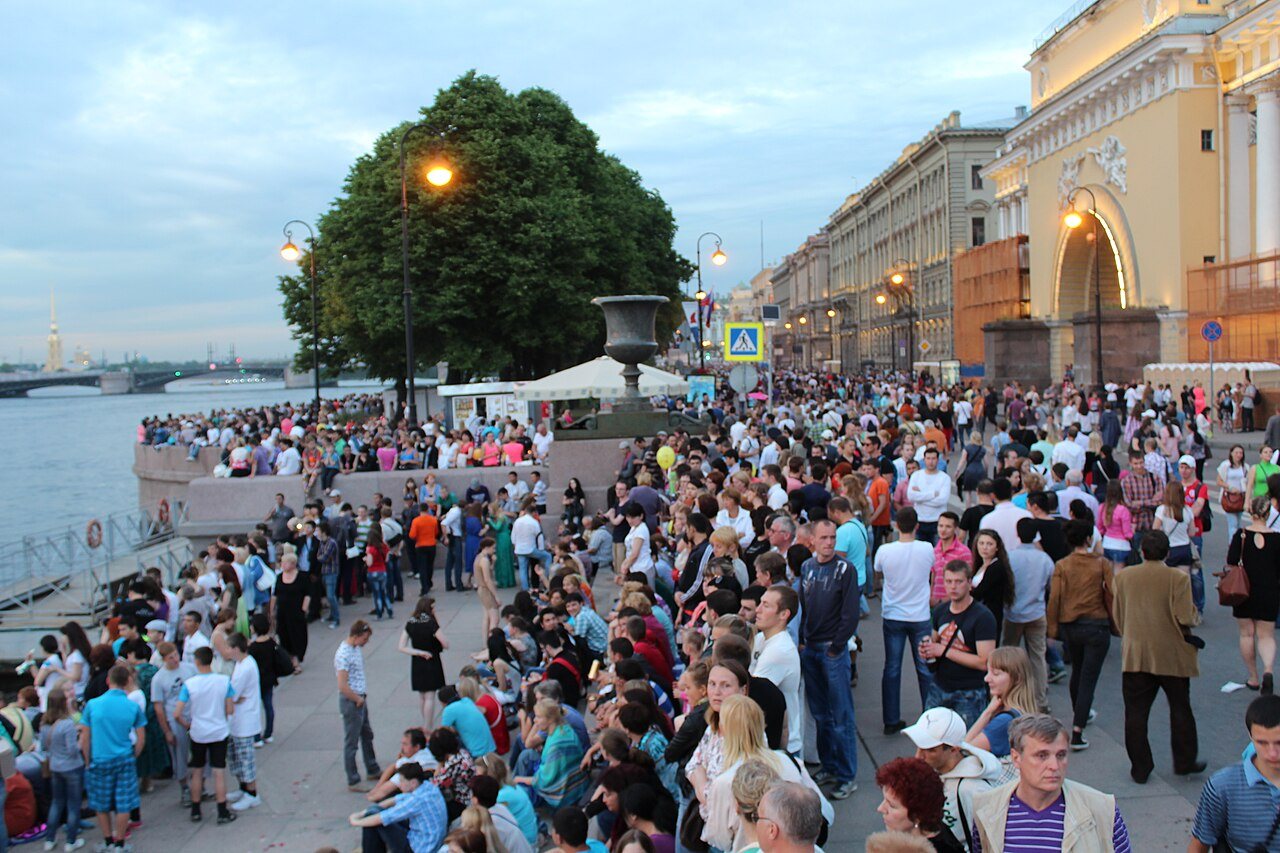
Neva embankment at 23:11, 22 June 2013
12 images

Tsar Peter the Great founded the city on 27 May 1703 on the site of a captured Swedish fortress and named it after the apostle Saint Peter. It served as the capital from 1712 to 1918, apart from a short period when Moscow took that role. The city was renamed Petrograd in 1914, then Leningrad in 1924 after Lenin's death. In 1991, a referendum restored the original name.

Modern Significance

Aerial view of the Peter and Paul Fortress
The Field of Mars
The Field of Mars
Nevsky Prospekt
Nevsky Prospekt
Palace Square during Christmas
Church of the Saviour on Blood, seen from the Griboyedov Canal
Smolny Convent, an example of Baroque architecture
Aerial view of Peterhof Palace
The Temple of Friendship in Pavlovsk Park
Cameron Gallery in Tsarskoe Selo
Grotto Pavilion in Tsarskoe Selo
Lyceum building in Tsarskoe Selo
Aerial view of the Grand Menshikov Palace
12 images

The city receives many visitors for its historic architecture and museums, including the Hermitage. Its Historic Centre and related monuments form a UNESCO World Heritage Site. Several federal bodies are based there, and the city hosts the headquarters of the Russian Navy. It was also one of the host cities of the 2018 FIFA World Cup and UEFA Euro 2020.

In 222 languages

EnglishČeštinaDeutschEspañolFrançaisItaliano日本語PolskiPortuguêsРусскийУкраїнська中文AbkhazianAdygheAfrikaansShqipSouthern AltaiአማርኛOld EnglishAngikaAragoneseالعربيةMoroccan ArabicEgyptian ArabicAsturianuঅসমীয়াKotavaAvaricAwadhiAymaraAzbAzərbaycanBalineseBavarianbat-smgБашҡортБеларускаяBetawiБългарскиBhojpuriBislamaবাংলাབོད་སྐད་BrezhonegBosanskiБуряадCatalàCdoCebuanoНохчийнChamorroکوردیی ناوەندیCorsicanCrimean TatarKashubianChurch SlavicЧӑваш чӗлхиCymraegDanskZazaDolnoserbšćinaDtyΕλληνικάEsperantoEestiEuskaraExtremaduranفارسیfiu-vroSuomiFijianFøroysktNorthern FrisianFurlanFryskGaeilgeGàidhligGilakiGalegoGuaraniGaelgHakka ChineseHausaʻŌlelo HawaiʻiעבריתFiji Hindiहिन्दीHrvatskiHornjoserbšćinaHaitian CreoleMagyarՀայերենHywInterlinguaBahasa IndonesiaInterlingueIlokoIngushIdoIsvÍslenskaLojbanJawaKara-KalpakTaqbaylitქართულიKabardianKbpKongoҚазақшаKanuriಕನ್ನಡKomi-Permyak한국어Karachay-BalkarKurdî (kurmancî)KomiKernewekКыргызчаLadinoLatinLbeLëtzebuergeschLezghianLingua Franca NovaLigureLimburgishLldLombardລາວLatgalianLietuviųLatviešuMokshaMalagasyMariMāoriМакедонскиമലയാളംМонголWestern MariमराठीMelayuMaltiMirandeseErzyaမြန်မာمازرونیNeapolitanNeddersass’sch (Nedderlannen)Neddersass’schनेपालीNewariNederlandsNorsk nynorskNorskNrmNyanjaOccitanOloИронਪੰਜਾਬੀPicardPiemontèisWestern PanjabiPonticپښتوRunasimiIkirundiRoa (Tara)RomânăRusynСаха тылаᱥᱟᱱᱛᱟᱲᱤSicilianuScotsSarduسنڌيSängöⵜⴰⵛⵍⵃⵉⵜတႆးSrpski (latinica)SlovenčinaSlovenščinaAnarâškielâSoomaaliShqipСрпскиSaterland FrisianSvenskaKiswahiliŚlōnskiதமிழ்తెలుగుТоҷикӣไทยTürkmen diliFilipinoTalyshToki ponaTürkçeТатарTumbukaAkanUdmurtئۇيغۇرچەاردوO‘zbekVenetoVepsTiếng ViệtWest FlemishVolapükWarayWalloonWolofWu ChineseMingrelianייִדישÈdè YorùbáZeelandiczh-yue

Редакція Factograf · Published October 14, 2026 · Partly based on Wikipedia, CC BY-SA 4.0 · Source article