
Russian Empire was an empire that extended across northern Eurasia from 1721 until the proclamation of the Russian Republic in 1917, forming the final era of Tsarist Russia and the wider Russian monarchy. At its height in the late 19th century, it covered about 22,800,000 square kilometres, roughly one-sixth of the world's landmass, making it the third-largest empire in history, behind only the British and Mongol empires.
Origins and expansion




The groundwork of the empire was laid under Ivan III, who expanded his domain, established a centralized national state, and secured independence from the Great Horde. Ivan IV became the first Russian monarch crowned as tsar in 1547, and conquests of the Kazan and Astrakhan khanates began a shift from a nearly mono-ethnic realm to a multi-ethnic empire. Peter the Great later transformed the tsardom into an empire, moved the capital to Saint Petersburg, and introduced a modern, Western-oriented system of government.
Nineteenth century


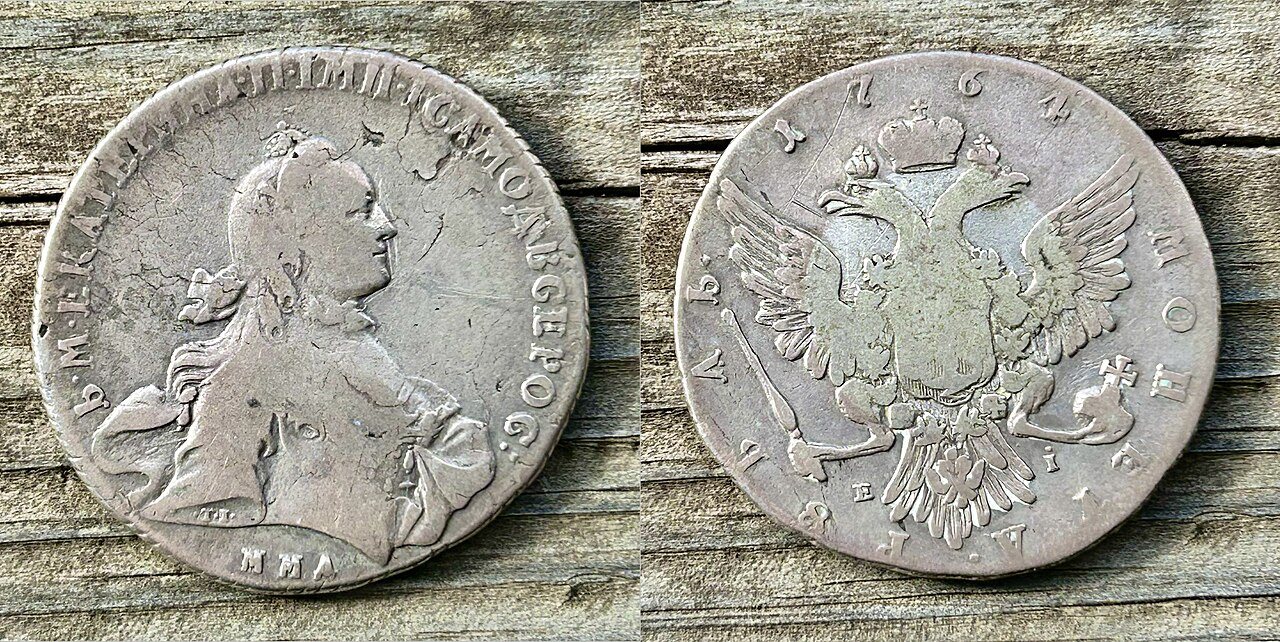
Under Catherine the Great and Alexander I, Russia expanded to the west, south, and east, and became a leading European power. Alexander II initiated major reforms, including the 1861 emancipation of all 23 million serfs. By the late century, the empire had grown industrially and built railways, though it remained largely agrarian, and rising unrest and revolutionary movements eventually prompted the creation of a national parliament, the State Duma, in 1905.
Collapse


Russia entered the First World War in 1914 on the side of the Allies. Military setbacks, heavy casualties and food and fuel shortages fuelled discontent, and the February Revolution of 1917 led to Nicholas II's abdication and the proclamation of a republic. The republic was overthrown later that year by the Bolsheviks, who went on to establish the Soviet Union after the Russian Civil War. Russia was one of four continental European empires to collapse as a result of the war.