factograf
EN
Sign in

capital and largest city of Italy

Rome

Rome

Rome is the capital and largest city of Italy and the administrative centre of the Lazio region. Located along the Tiber in central-western Italy, it is home to Vatican City, an independent state enclosed within its municipal boundaries. Known as the "City of Seven Hills" and the "Eternal City", Rome is generally regarded as one of the cradles of Western civilization and Western Christian culture. With a municipal population of about 2.7 million, it is the third most populous city in the European Union by population within city limits.

Ancient and medieval history

Rome skyline panorama
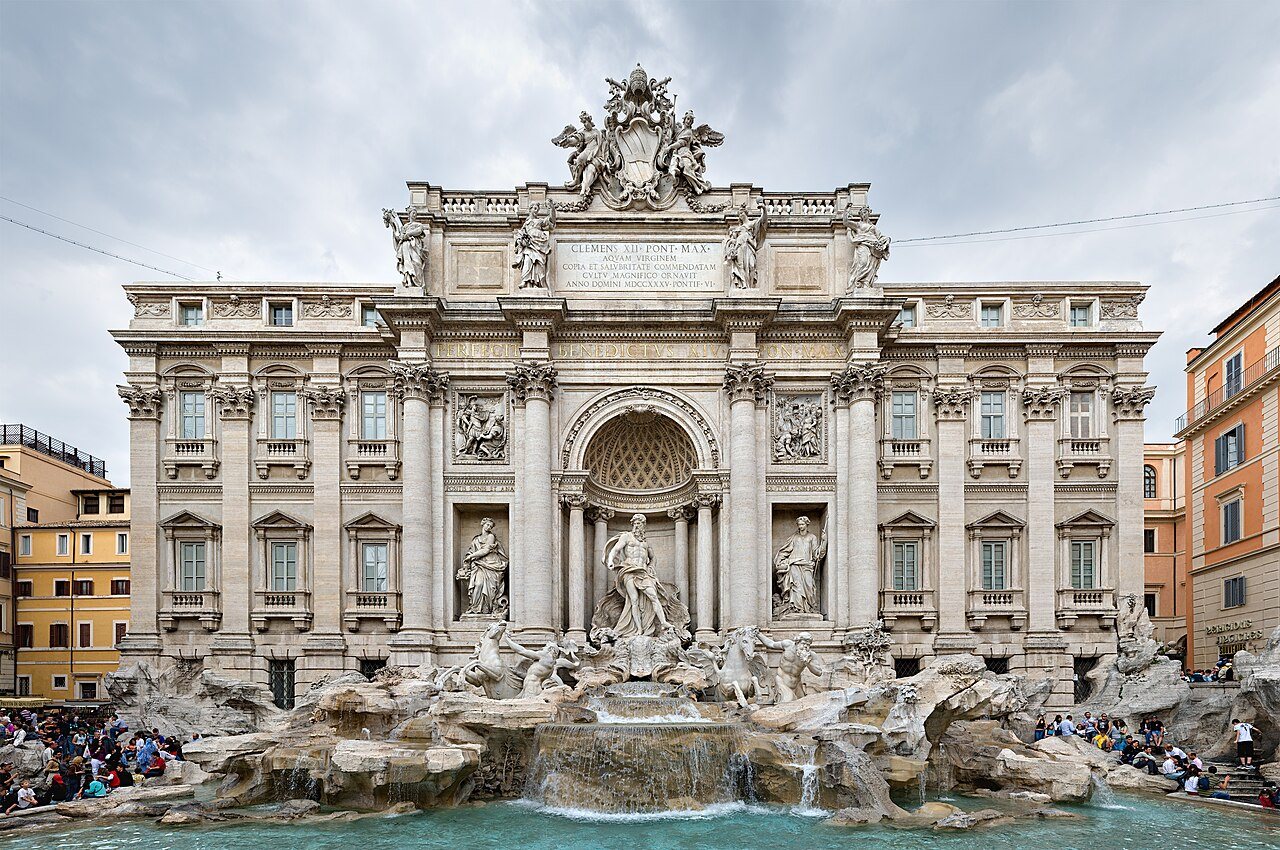
Trevi Fountain in Rome, Italy, May 2007
Colosseum in 2020
Colosseum in 2020
Barcaccia fountain and staircase
St. Peter's Basilica seen from Castel Sant'Angelo
Castel Sant'Angelo and the Bridge of Angels in the evening
Pantheon in Rome
Pantheon in Rome
Piazza Venezia with the Vittoriano monument
Model of archaic Rome, facing northeast, with the Capitoline hill on the left and the Palatine on the right. The city would not have looked like this before the 7th century BC.
Capitoline Wolf, a sculpture of the mythical she-wolf suckling the infant twins Romulus and Remus
Temple of Portunus, god of grain storage, keys, livestock and ports, built in 120–80 BC
The Roman Forum contains ruins of the buildings that formed the political, legal, religious and economic centre of ancient Rome, the "nerve centre" of Roman civilisation.
12 images

Archaeological evidence of human presence in the area stretches back roughly 14,000 years, and the city is considered one of the oldest continuously occupied cities in Europe. Its early population mixed Latins, Etruscans, and Sabines. Over time Rome became the capital of the Roman Kingdom, the Roman Republic, and the Roman Empire. After the fall of the Empire in the west, the city gradually came under papal control and became the capital of the Papal States in the 8th century, a status it kept until 1870.

Renaissance and modern era

Castel Sant'Angelo, or Hadrian's Mausoleum, a Roman monument built in 134 AD, radically altered in the Middle Ages and Renaissance, and crowned with 16th and 17th-century statues.
Fontana della Barcaccia, created by Gian Lorenzo Bernini in 1629
Carnival in Rome, around 1650, by Johannes Lingelbach
View of Piazza Navona, Rome, by Hendrik Frans van Lint, around 1730
Bersaglieri troops breaching the Aurelian Walls at Porta Pia during the Capture of Rome in 1870, the final event of Italian unification. Painting by Carlo Ademollo.
Satellite image of Rome
Temple of Aesculapius in the Villa Borghese gardens
Stone pines in the Villa Doria Pamphili
Piazza Santa Maria Maggiore in the Esquilino district
Advertisement in the Romanesco dialect at a subway station in Rome
Archbasilica of Saint John Lateran, Rome's cathedral, built in 324 and partly rebuilt between 1660 and 1734
Santa Maria Maggiore, one of the Seven Pilgrim Churches of Rome and the city's largest Catholic Marian church
12 images

From the Renaissance onward, a long series of popes pursued an architectural and urban programme aimed at making Rome a leading artistic and cultural centre, and the city became the birthplace of the Baroque style and Neoclassicism. In 1871 Rome became the capital of the Kingdom of Italy, which became the Italian Republic in 1946. The city hosted the Summer Olympics in 1960, and its historic centre is listed by UNESCO as a World Heritage Site.

Economy and culture

The Vatican Caves, the location of many papal burials
Teatro dell'Opera di Roma at Piazza Beniamino Gigli
Via Condotti
Via Condotti
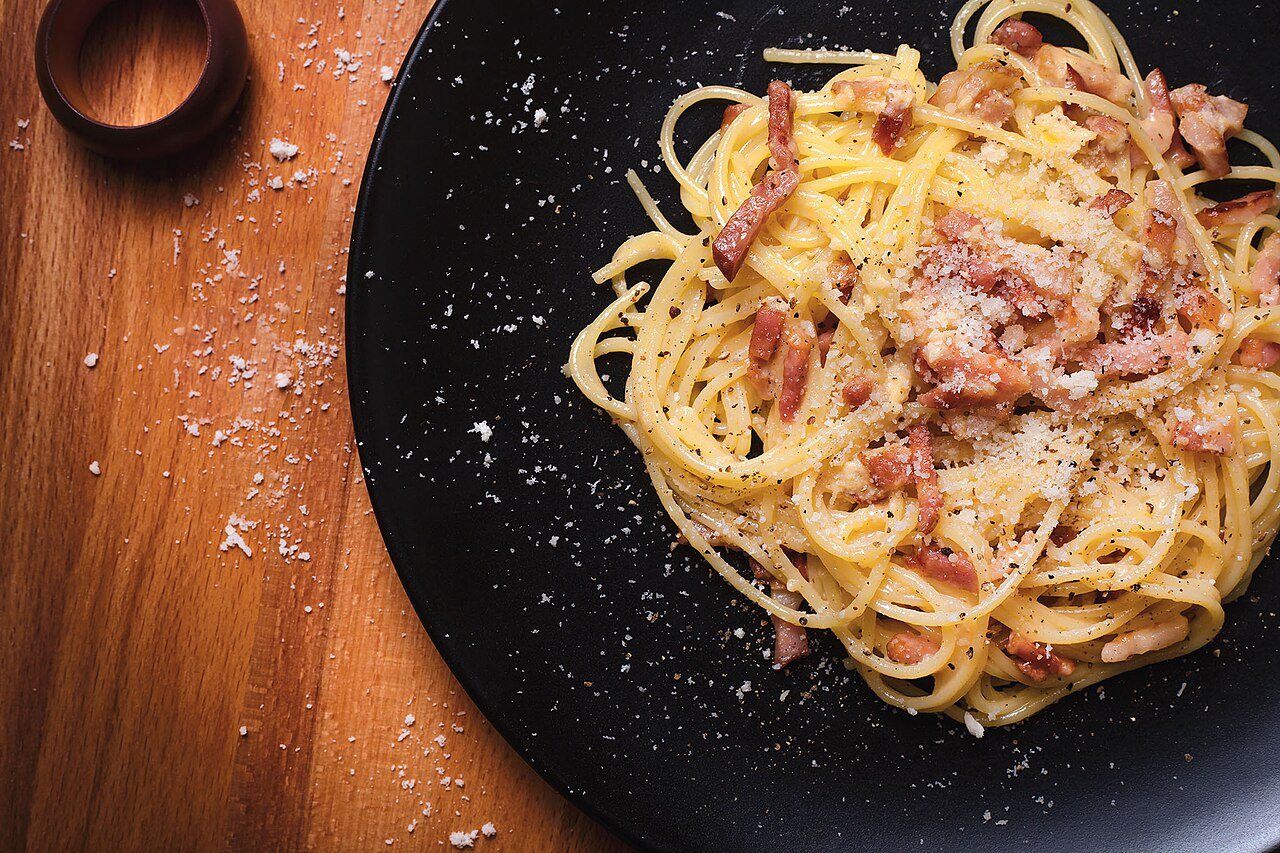
Spaghetti alla carbonara, a typical Roman dish
Spaghetti cacio e pepe, a typical Roman dish
Entrance to the Cinecittà studios, the largest film studio in Europe
Stadio Olimpico, home of AS Roma and SS Lazio, one of the largest sports stadiums in Europe with a capacity of over 70,000
Stadio dei Marmi
Stadio dei Marmi
Panoramic view of the EUR business district
Palazzo Eni, headquarters of Eni, one of the world's oil and gas "supermajors"
Enel headquarters in Rome, the second largest power company in the world by revenue after the State Grid Corporation of China
Orizzonte Europa, BNL headquarters in Rome
12 images

Rome attracted 8.6 million tourists in 2019, making it the third most visited city in the European Union. It is the seat of several United Nations agencies, including the Food and Agriculture Organization and the World Food Programme, and it houses the headquarters of major Italian companies such as Eni, Enel, and Leonardo. The city is also an important centre of fashion and design, and the Cinecittà Studios have been the set of many Academy Award-winning films.

In 269 languages

EnglishČeštinaDeutschEspañolFrançaisItaliano日本語PolskiPortuguêsРусскийУкраїнська中文AbkhazianAcehneseAdygheAfrikaansShqipአማርኛOld EnglishAngikaAragoneseAramaicالعربيةMoroccan ArabicEgyptian ArabicAsturianuঅসমীয়াKotavaAvaricAwadhiAymaraAzbAzərbaycanBalineseBavarianbat-smgБашҡортBatak TobaBikolБеларускаяBetawiБългарскиBhojpuriBislamaবাংলাBolབོད་སྐད་BrezhonegBosanskiБуряадCatalàcbk-zamCdoCebuanoНохчийнᏣᎳᎩChamorroCheyenneکوردیی ناوەندیCorsicanCrimean TatarKashubianChurch SlavicЧӑваш чӗлхиCymraegDanskZazaDolnoserbšćinaDtyEʋegbeΕλληνικάEmlEsperantoEestiEuskaraExtremaduranفارسیPulaarfiu-vroSuomiFijianFøroysktArpitanNorthern FrisianFurlanFryskGagauzGan ChineseGaeilgeGcrGàidhligGalegoGuaraniकोंकणीGothicGaelgHakka ChineseHausaʻŌlelo HawaiʻiעבריתFiji Hindiहिन्दीHrvatskiHornjoserbšćinaHaitian CreoleMagyarՀայերենHywInterlinguaBahasa IndonesiaInterlingueIlokoIngushIdoIsvÍslenskaInuktitutJamaican Creole EnglishLojbanJawaKara-KalpakTaqbaylitქართულიKabardianKbpTyapKgeKongoҚазақшаខ្មែរKanuriಕನ್ನಡ한국어Karachay-BalkarKölschکٲشُرKurdî (kurmancî)KomiKernewekКыргызчаLadinoLatinLëtzebuergeschLezghianLingua Franca NovaLugandaLigureLimburgishLldLombardLingálaລາວLietuviųLatviešuमैथिलीMokshaMalagasyMariMinangkabauMāoriМакедонскиമലയാളംМонголमराठीMelayuMaltiMirandeseErzyaမြန်မာمازرونیNeapolitanNeddersass’sch (Nedderlannen)Neddersass’schनेपालीNewariNederlandsNorsk nynorskNovialNorskNrmNupNyanjaOccitanOloଓଡ଼ିଆИронPampangaPapiamentoਪੰਜਾਬੀPicardPennsylvania GermanPalatine GermanPiemontèisWestern PanjabiPonticپښتوRunasimiRumantschIkirundiroa-rupRoa (Tara)RomânăRusynIkinyarwandaСаха тылаᱥᱟᱱᱛᱟᱲᱤसंस्कृत भाषाSicilianuScotsSarduسنڌيDavvisámegiellaSängöⵜⴰⵛⵍⵃⵉⵜSrpski (latinica)සිංහලSlovenčinaSlovenščinaAnarâškielâSamoanChiShonaSoomaaliShqipSranan TongoСрпскиSaterland FrisianSesothoBasa SundaSvenskaKiswahiliŚlōnskiSzyதமிழ்TetumతెలుగుТоҷикӣไทยTürkmen diliFilipinoTalyshToki ponaTok PisinTürkçeТатарTumbukaAkanTahitianUdmurtئۇيغۇرچەاردوO‘zbekVenetoVepsVendaTiếng ViệtWest FlemishVolapükWarayWalloonWolofWu ChineseIsiXhosaMingrelianייִדישÈdè YorùbáZeelandicⵜⴰⵎⴰⵣⵉⵖⵜzh-yueIsiZulu

Редакція Factograf · Published October 14, 2026 · Partly based on Wikipedia, CC BY-SA 4.0 · Source article