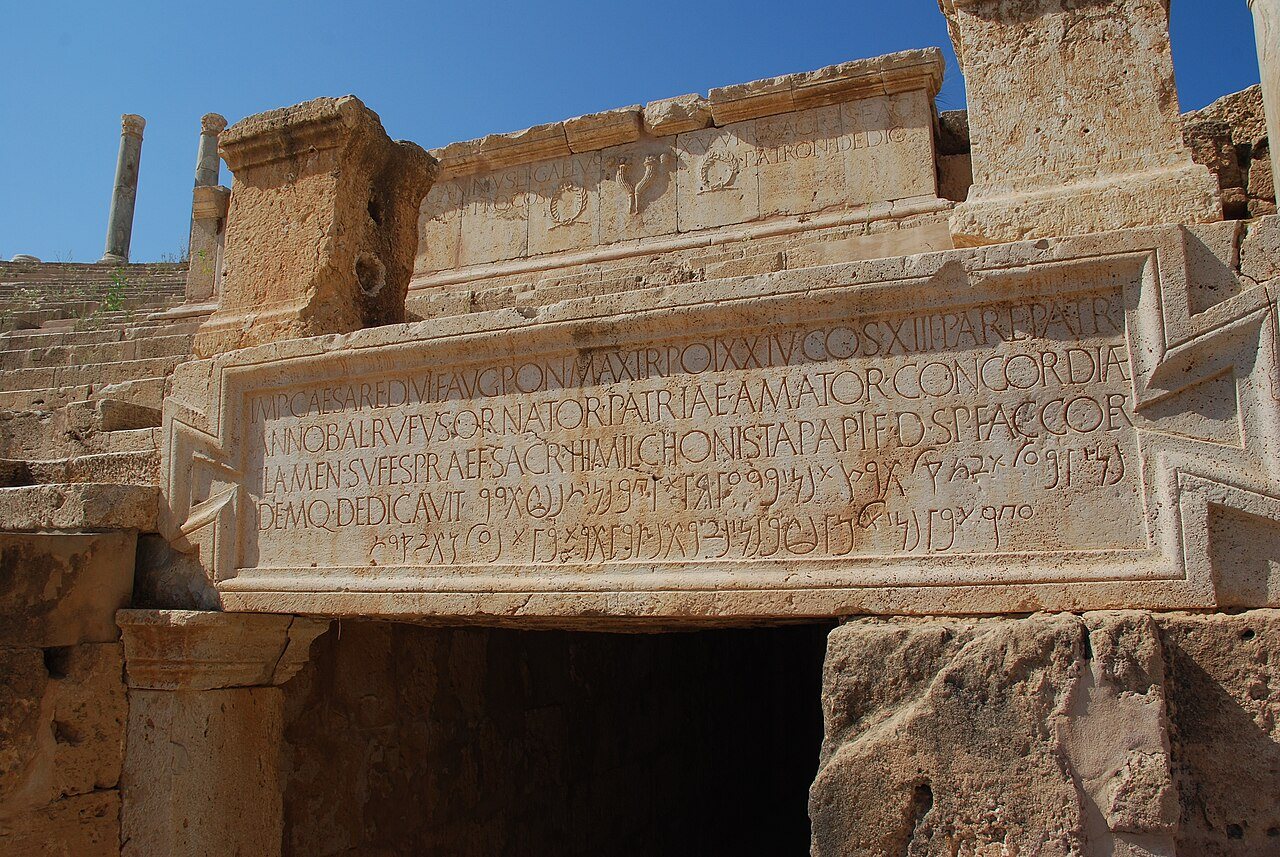
The Roman Empire was a state that dominated the Mediterranean and much of Europe, Western Asia, and North Africa during the classical period. Its territories came under permanent single-person rule after Octavian rose to power and established the Augustan Principate in 27 BC. The Western Empire collapsed in 476 AD, while the Eastern Roman Empire, also known as the Byzantine Empire, lasted until the fall of Constantinople in 1453.
Transition from Republic


Rome had expanded beyond the Italian peninsula by the 3rd century BC, but its republican institutions were strained by a long series of conflicts and civil wars in the 1st century BC. After Octavian defeated Mark Antony and Cleopatra at the Battle of Actium in 31 BC, the Senate granted him the title Augustus in 27 BC, beginning the Principate. Although the republic remained in name, Augustus held all meaningful authority, and a new constitutional order emerged that outlasted him.
Pax Romana and Decline


The first two centuries of imperial rule, known as the Pax Romana, brought unprecedented stability and prosperity. Rome reached its greatest territorial extent under Trajan, but trouble increased from the late 2nd century. The 3rd century brought a crisis involving civil war, plagues and invasions, which ended with reunification under Aurelian and later reforms by Diocletian. Constantine moved the imperial seat to Byzantium, and invasions by Germanic peoples and the Huns eventually led to the Western Empire's collapse.
Legacy


Because of the Empire's extent and endurance, its institutions and culture shaped language, religion, art, architecture, literature, philosophy, law and forms of government across its territories. The rediscovery of classical science and technology in medieval Europe contributed to the Scientific Renaissance and Scientific Revolution. Its republican institutions influenced medieval Italian city-state republics, the early United States and modern democratic republics.