
Robert Bellarmine was an influential Italian Jesuit, theologian, and cardinal who lived from 1542 to 1621. A prominent figure during the Counter-Reformation, he served as the Archbishop of Capua and held several significant roles, including rector of the Roman College. He was a prolific writer and scholar, known for his systematic theological works and his involvement in major historical controversies, such as the cases of Giordano Bruno and Galileo Galilei. He is recognized as a saint and a Doctor of the Church.
Life and career
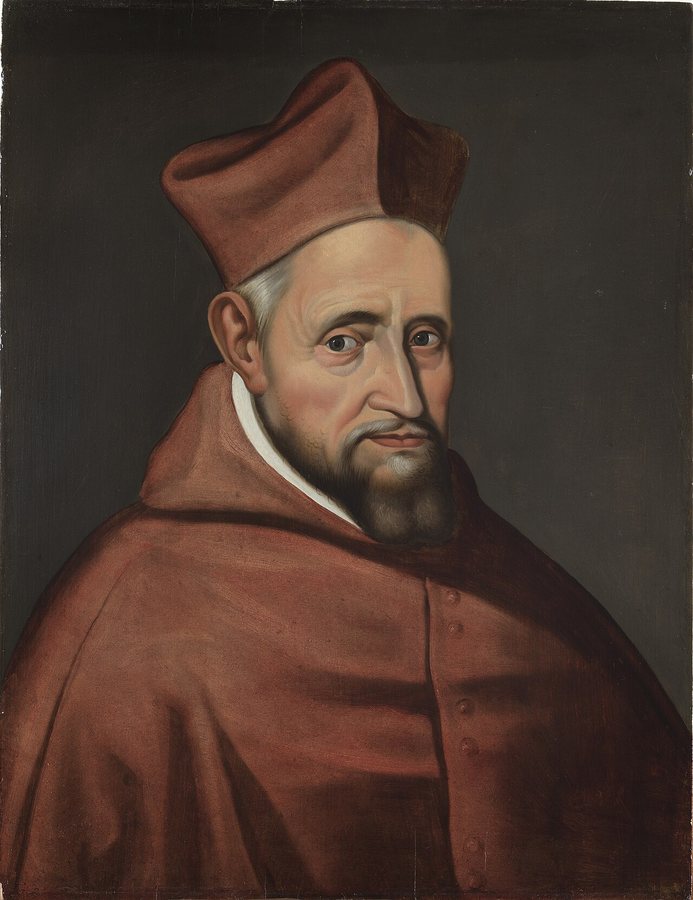
Born in Montepulciano, Bellarmine studied in Padua and Leuven, where he became a respected professor and preacher. He later returned to Rome to teach at the Roman College. His career included serving as a cardinal and an inquisitor, as well as a diplomat in France. As archbishop, he worked to implement the reforms established by the Council of Trent.
Theological work
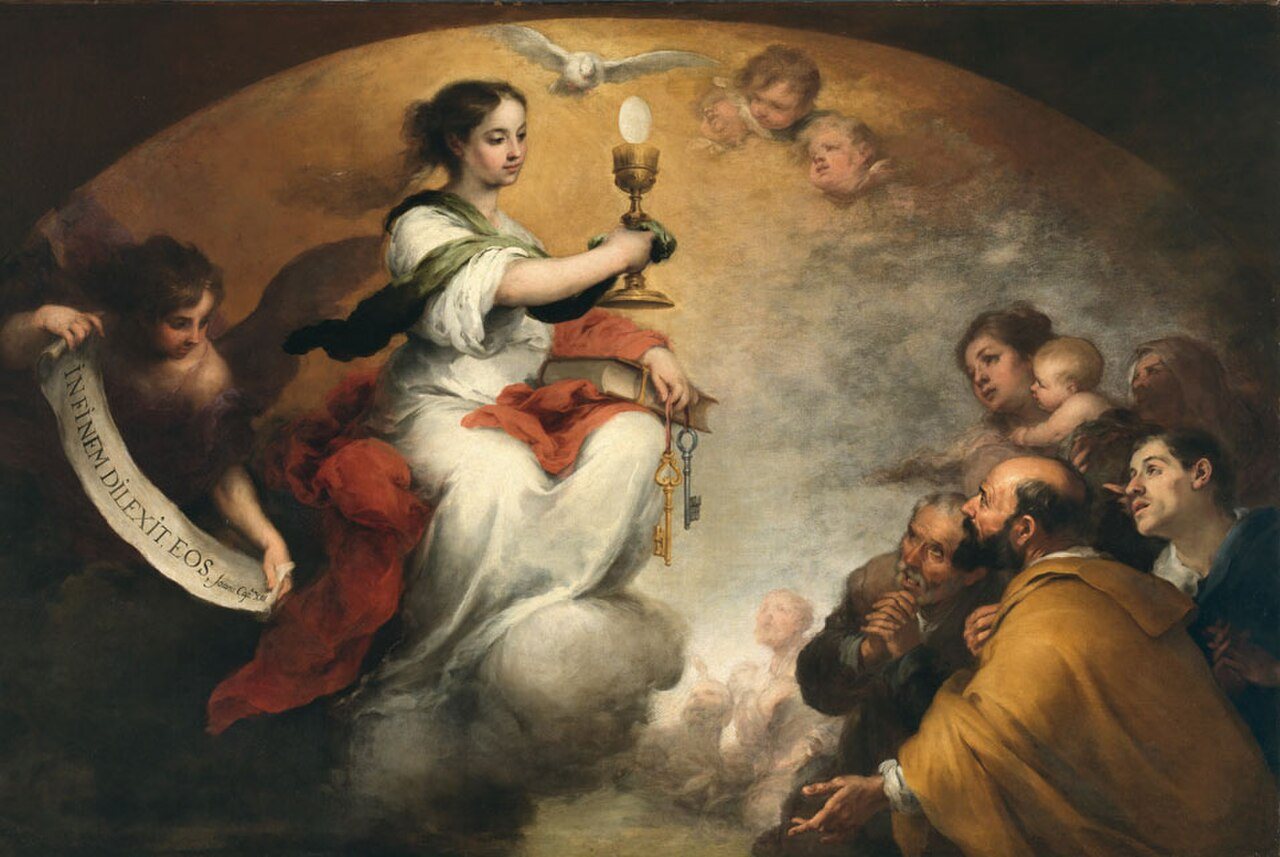
Bellarmine was a highly regarded scholar of polemical theology. His lectures were published in the extensive four-volume work De Controversias. He was deeply involved in the scientific and religious debates of his era, notably interacting with Galileo regarding the Copernican model. While he remained committed to traditional scriptural interpretations, he expressed openness to scientific demonstrations if they could be reconciled with faith.
Veneration
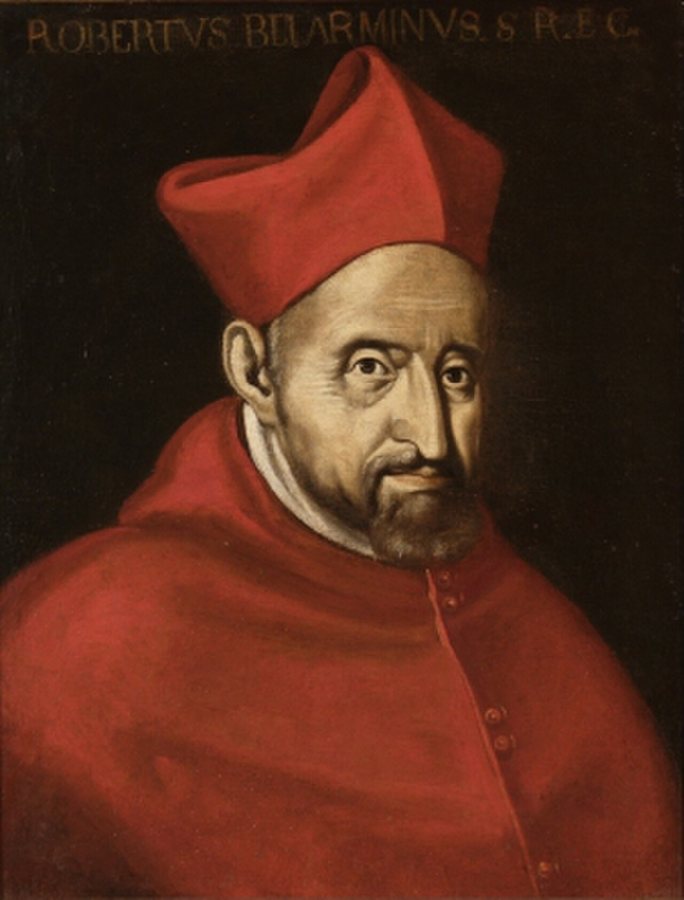
He was canonized in 1930 and is honored as a Doctor of the Church. His feast day is observed on September 17, the anniversary of his death, and also on May 13. He is remembered for his intellectual contributions to Catholic doctrine and his service to the Jesuit order.