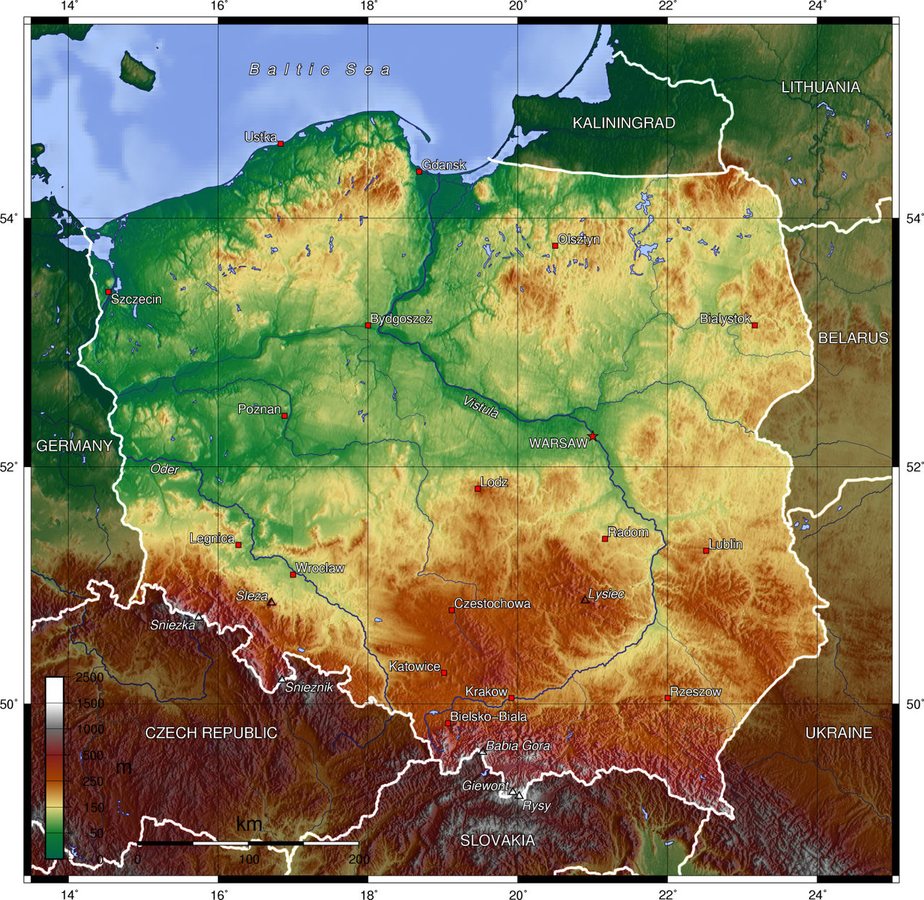
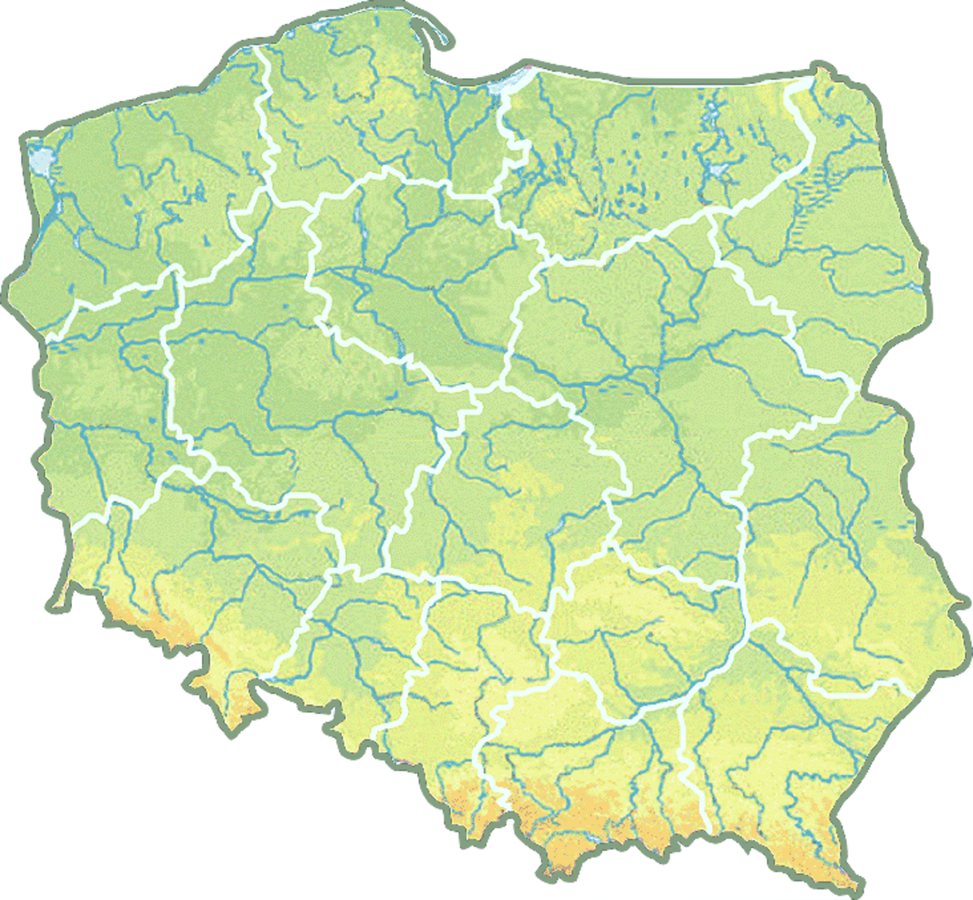
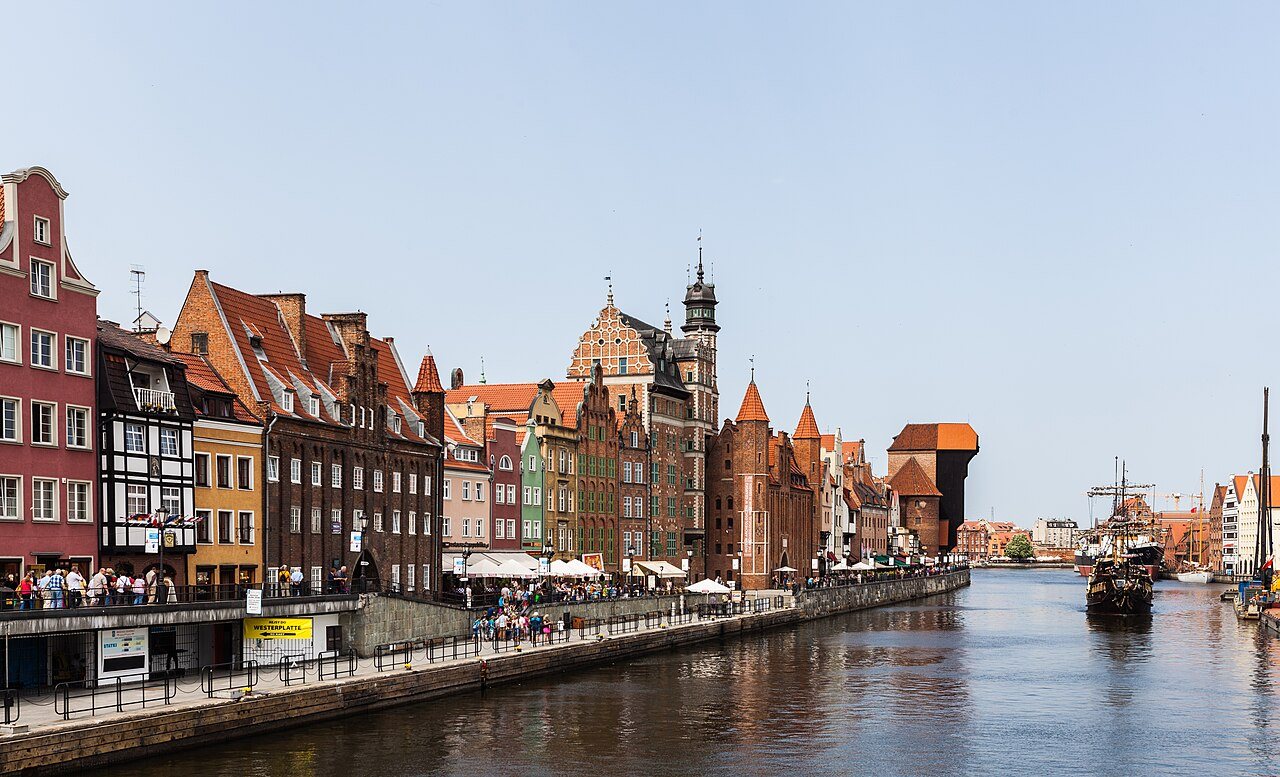
Poland, officially the Republic of Poland, is a country in Central Europe that extends from the Baltic Sea in the north to the Sudetes and Carpathian Mountains in the south. It is divided into sixteen voivodeships and is the fifth most populous member state of the European Union, with over 38 million people. Its capital and largest city is Warsaw, and other major cities include Kraków, Wrocław, Łódź, Poznań, and Gdańsk. Poland is a parliamentary republic and a developed country with a high-income economy.
Early history
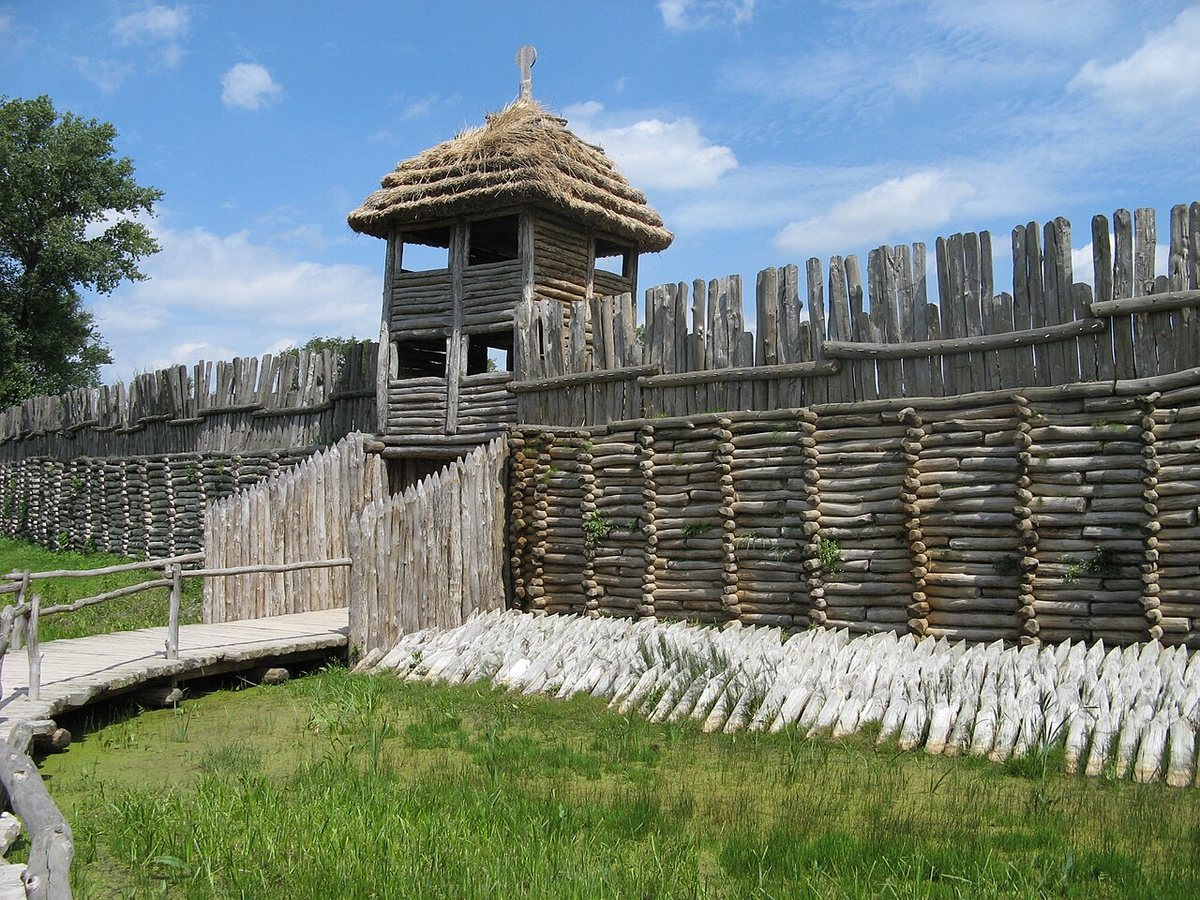
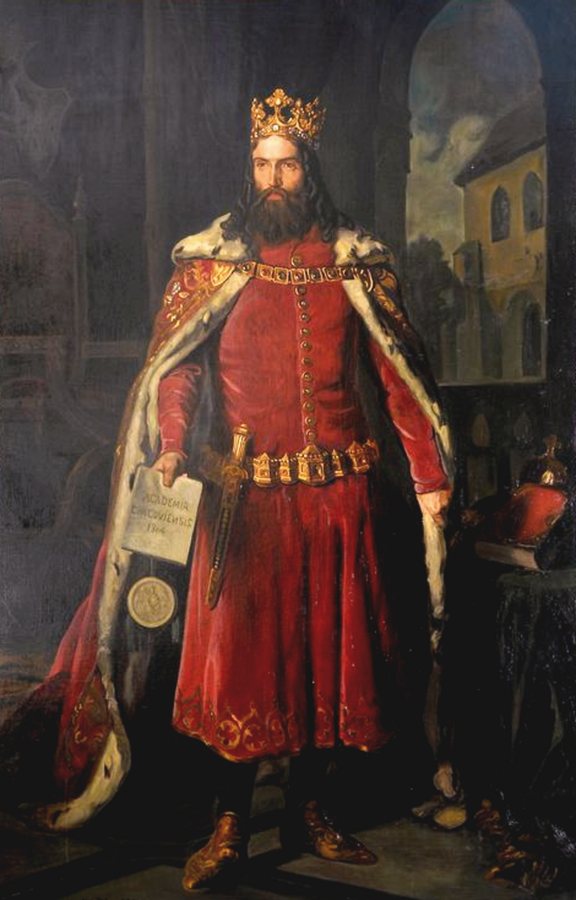
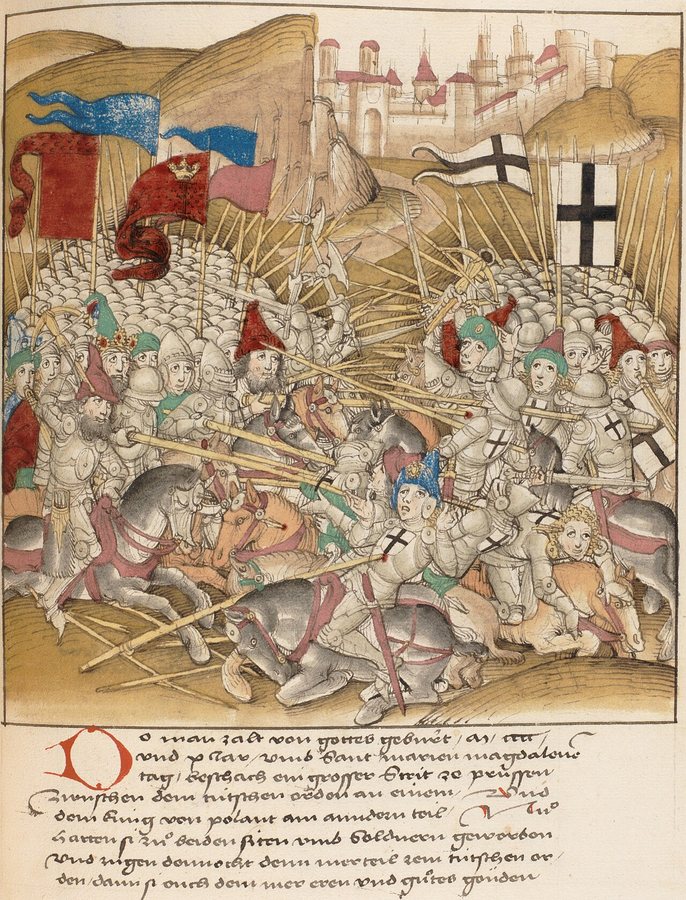
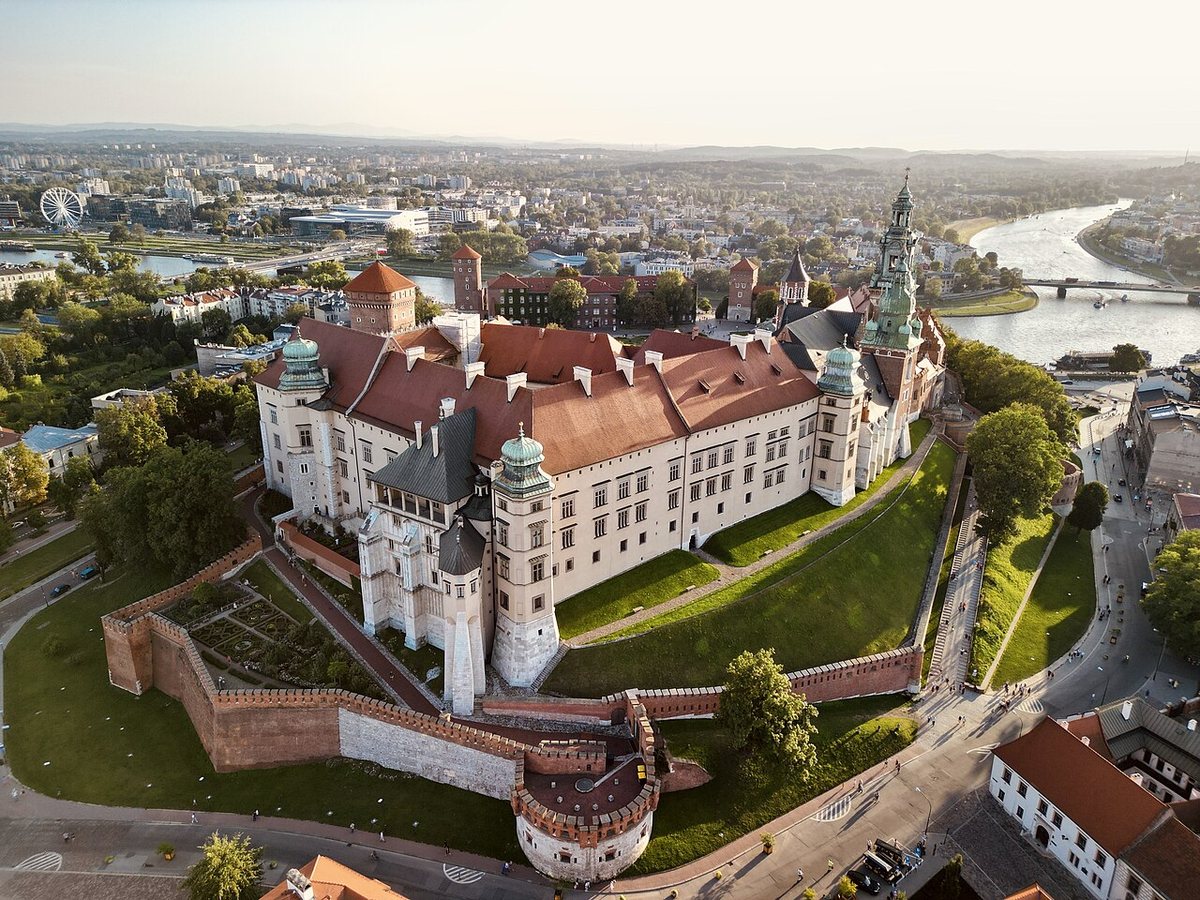
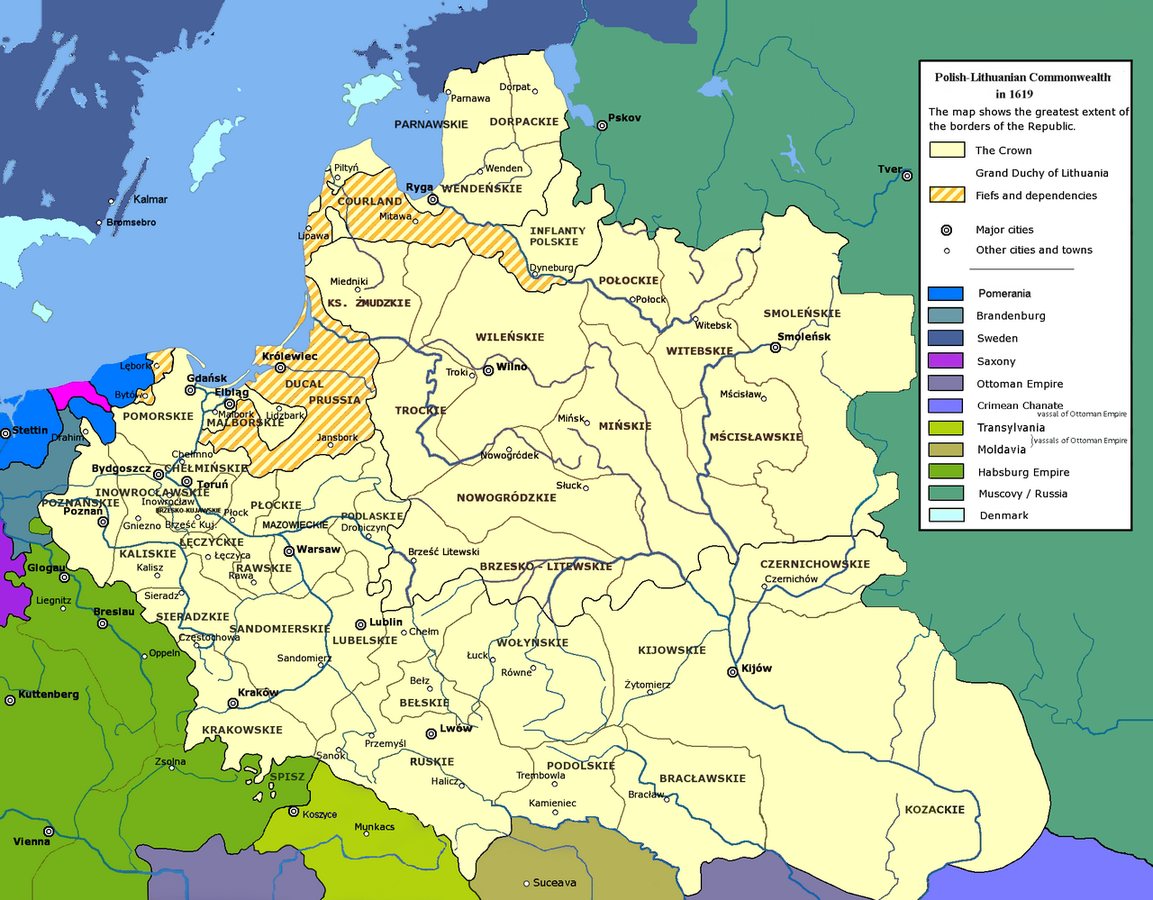
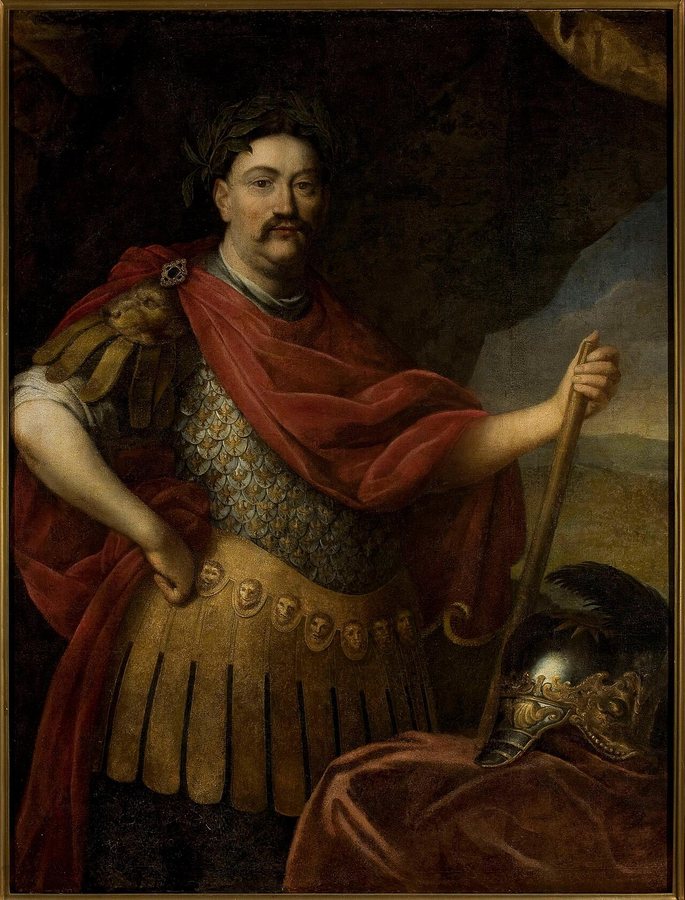
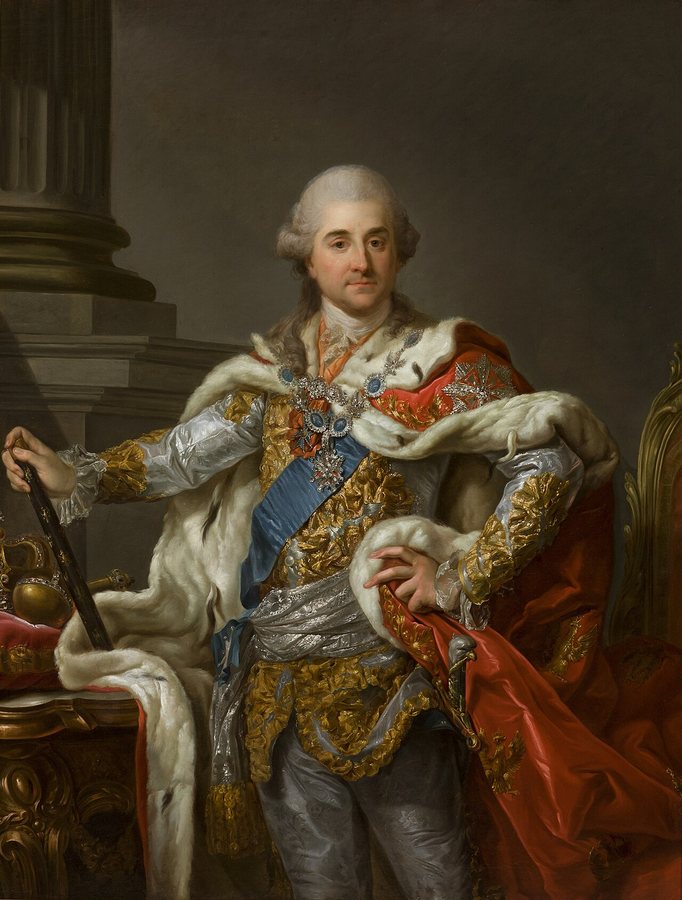
Human activity on Polish soil dates to the Lower Paleolithic, with continuous settlement since the end of the last Ice Age. In the early medieval period, the West Slavic Polans settled the region and gave the country its name. In 966, their ruler Mieszko I accepted Christianity under the Roman Catholic Church, which is generally regarded as the beginning of Polish statehood. The Kingdom of Poland emerged in 1025 and joined with Lithuania in 1569 to form the Polish–Lithuanian Commonwealth, one of the great powers of Europe at the time.
Partitions and wars
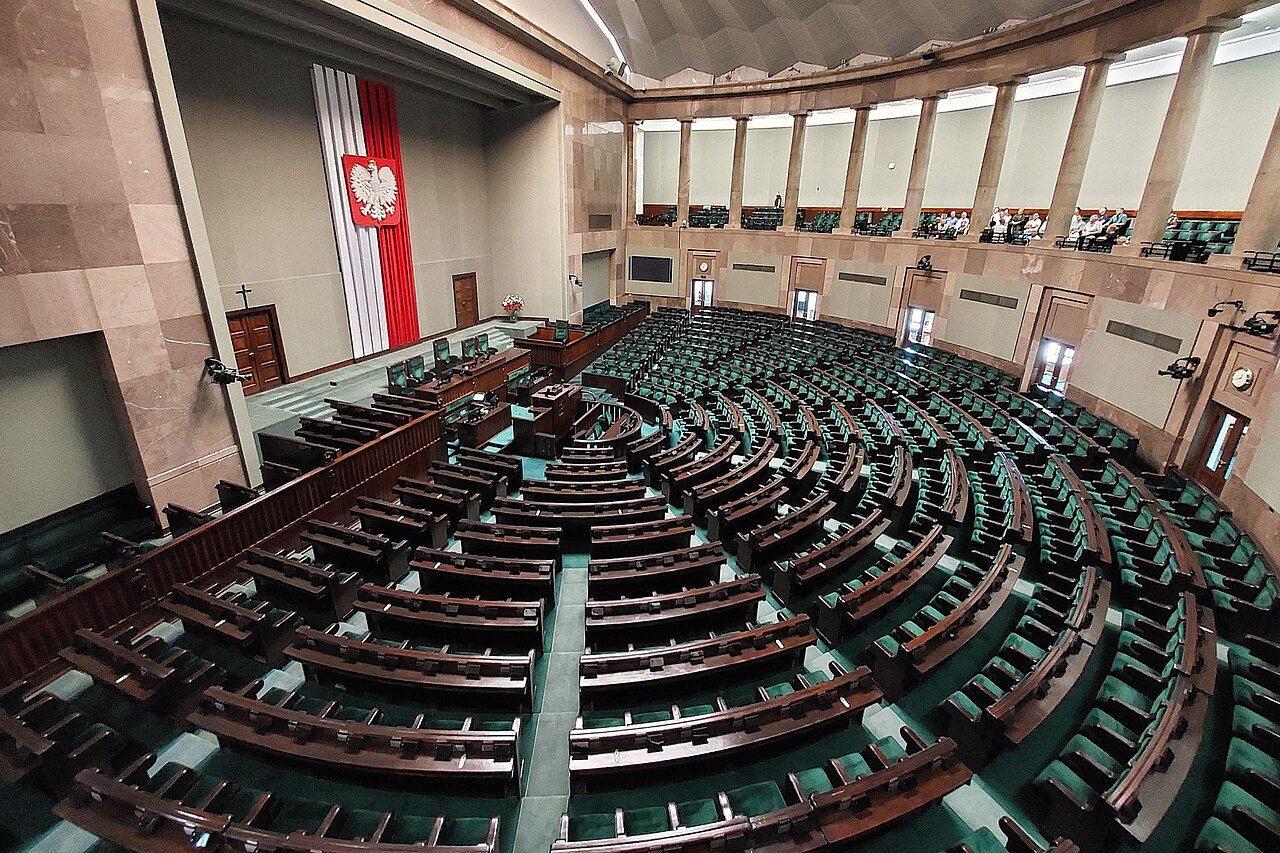
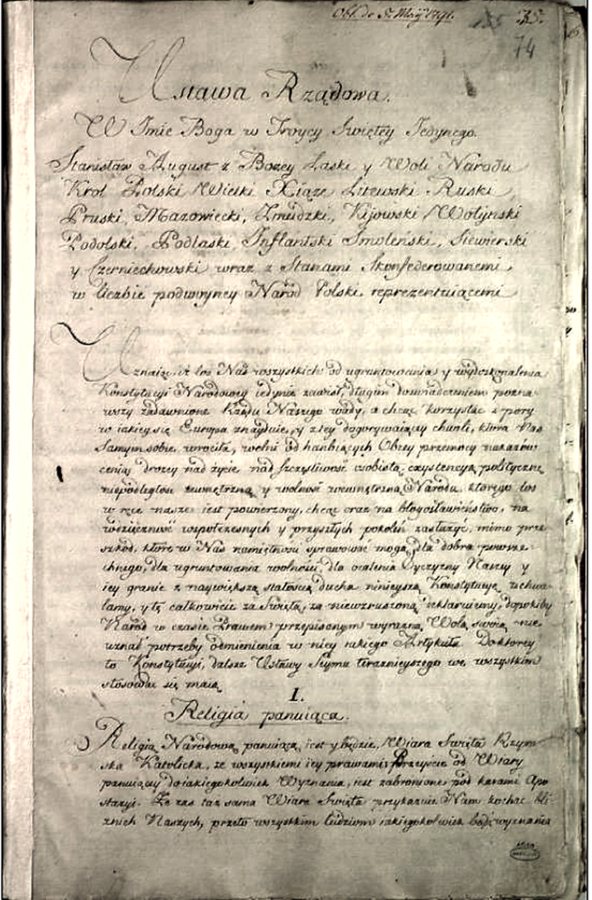
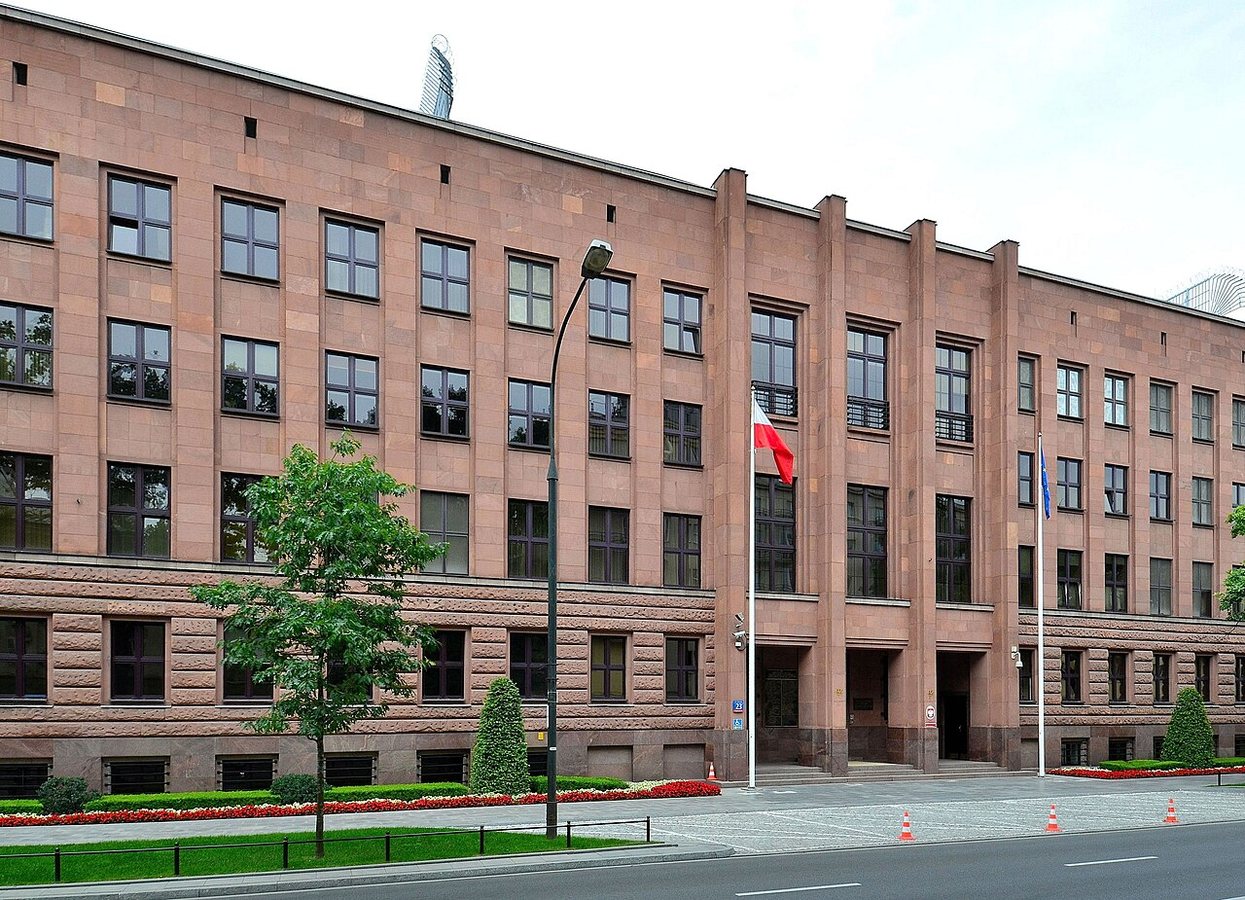
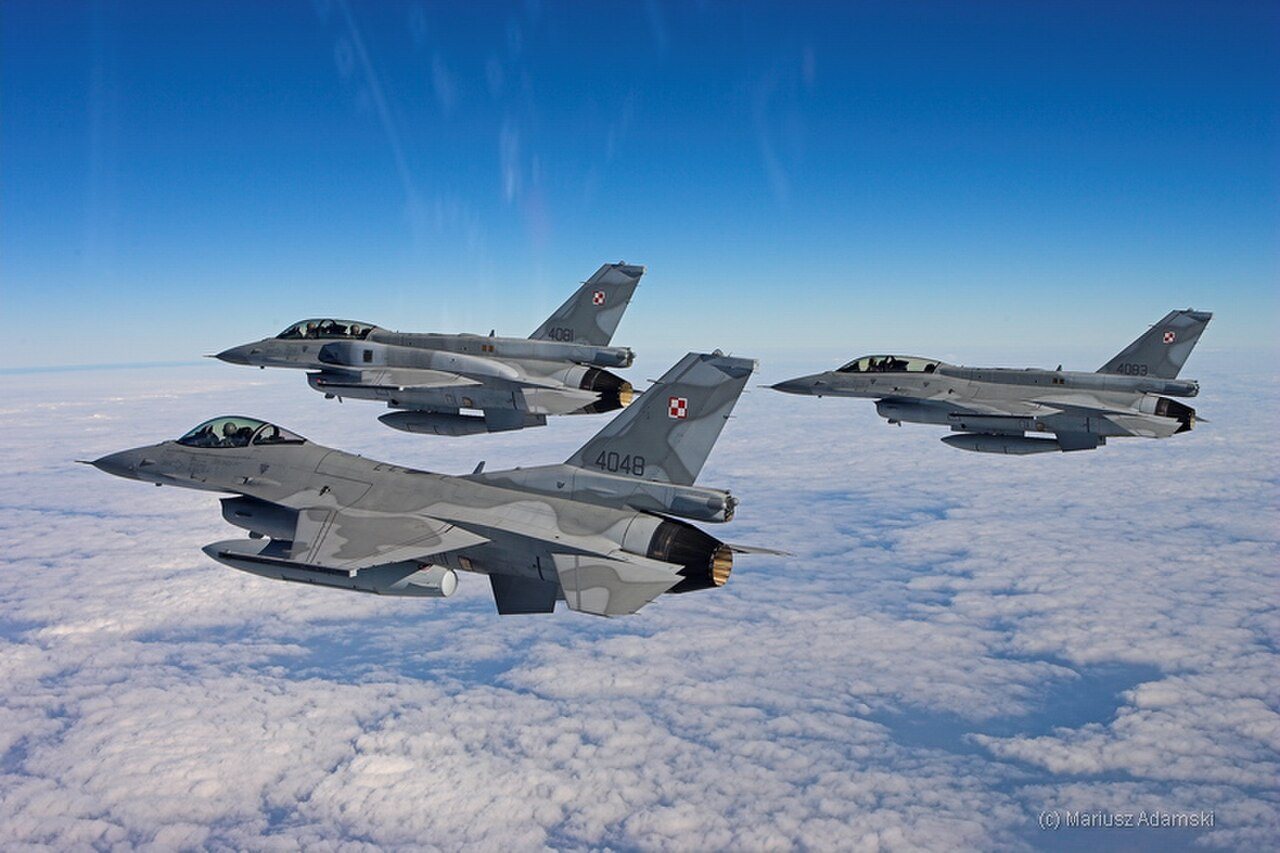
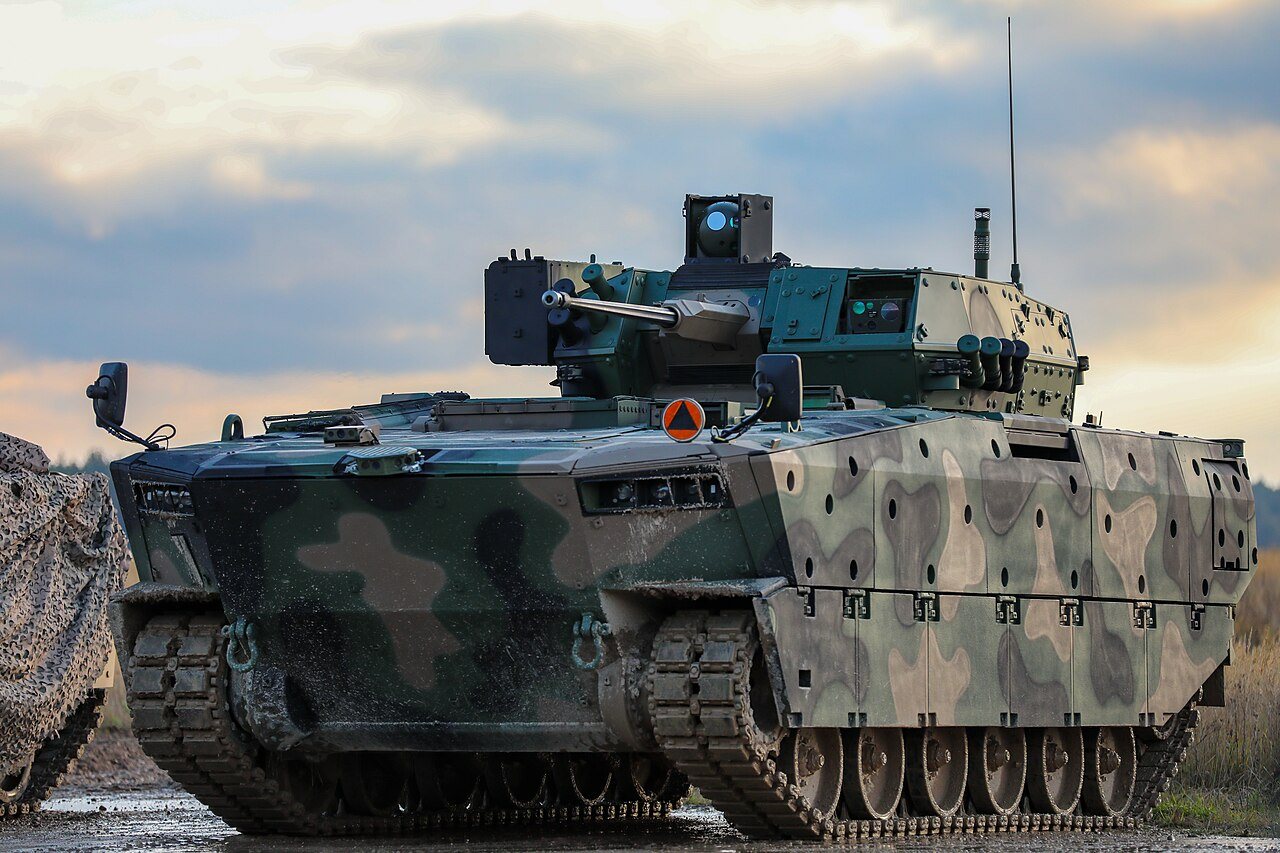

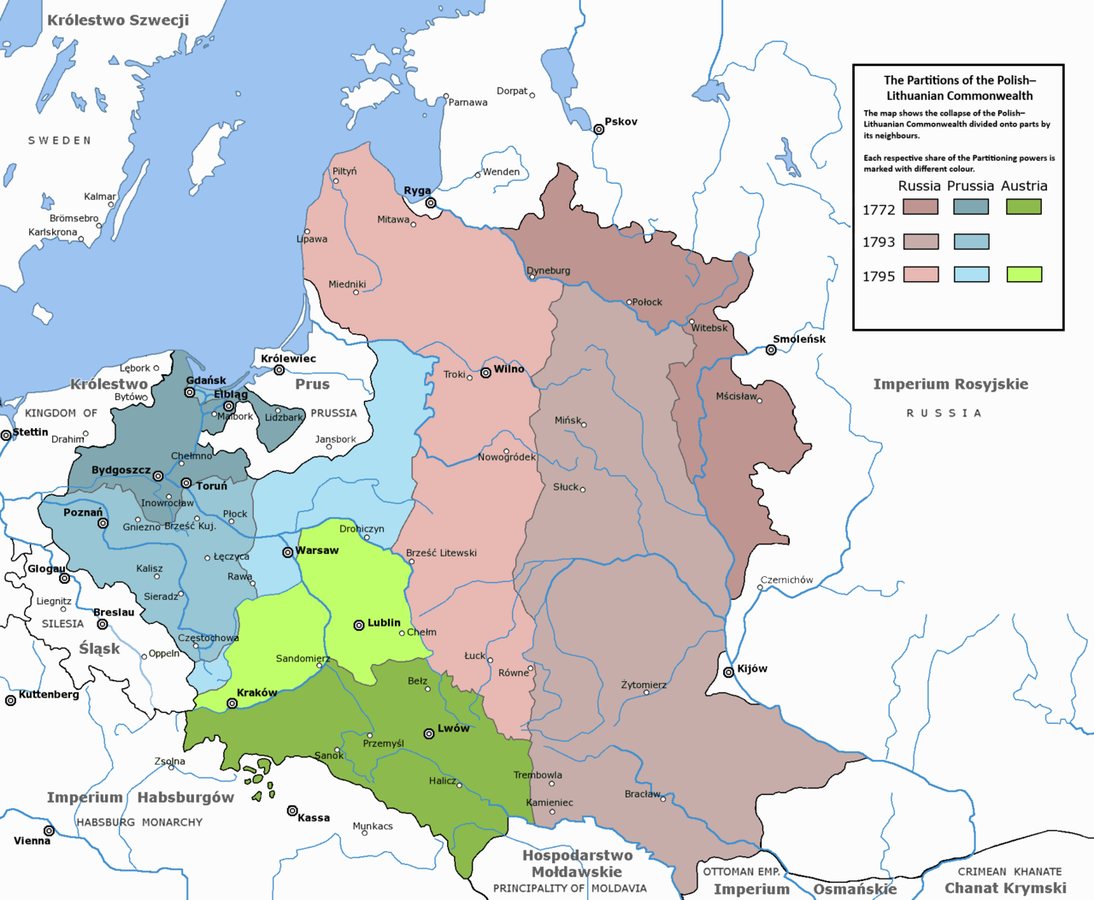
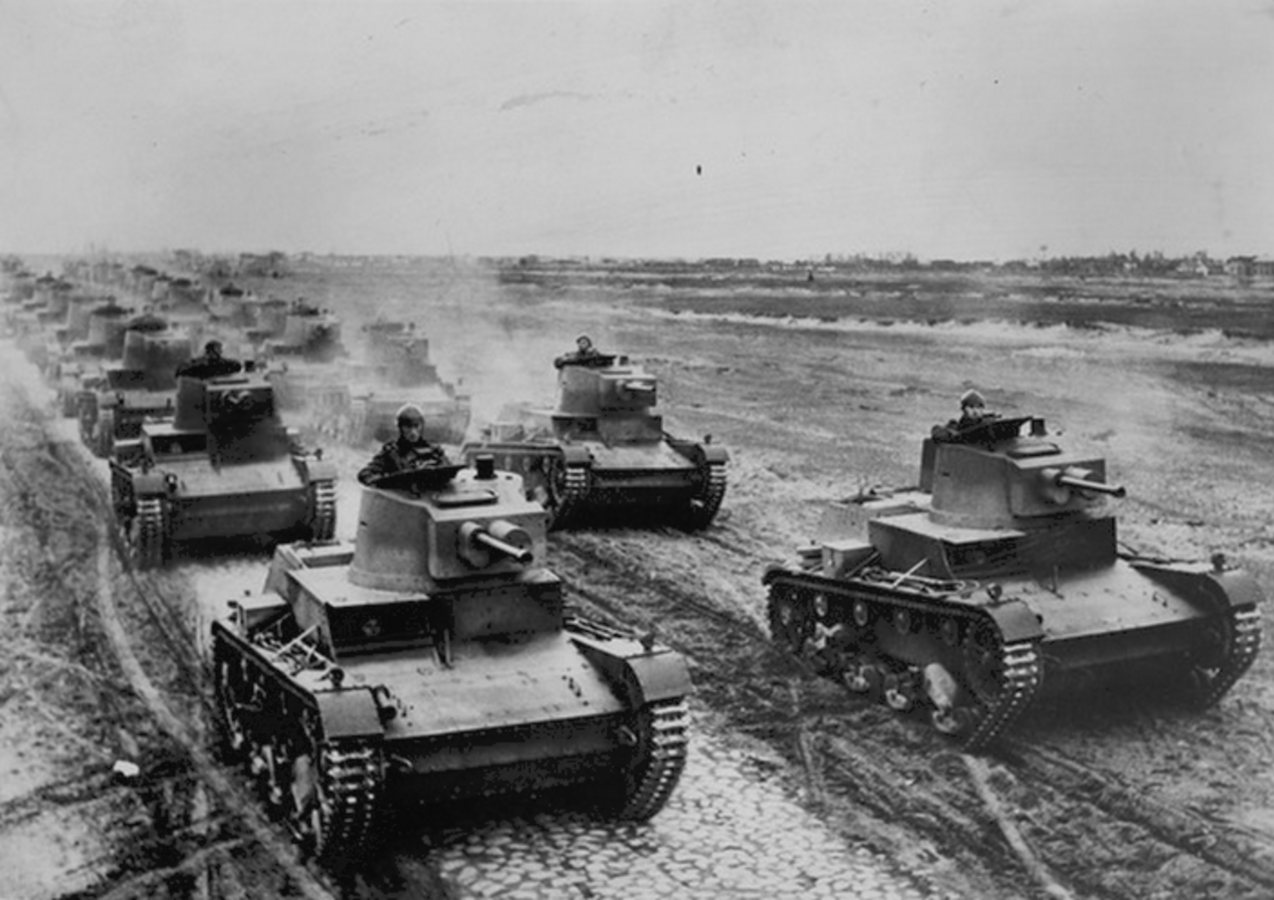
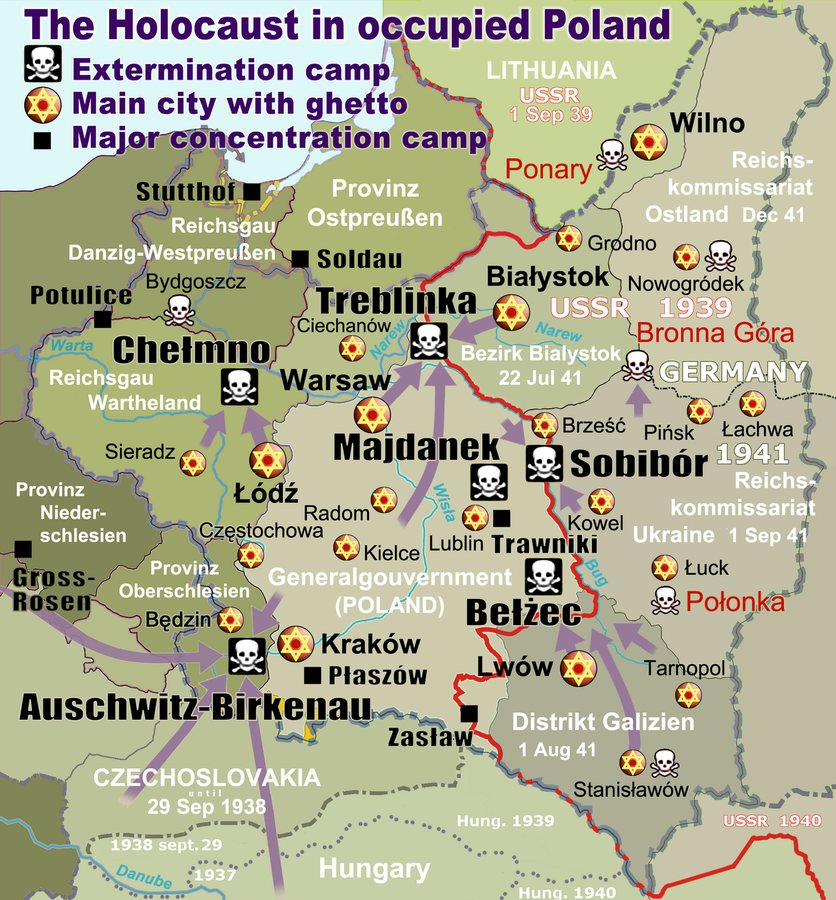
At the end of the 18th century, neighbouring states partitioned Poland. The country regained independence in 1918 with the founding of the Second Polish Republic. The German and Soviet invasions of 1939 began World War II, which brought the Holocaust and millions of Polish deaths. After the war, Poland became part of the Eastern Bloc. The Solidarity movement helped end communist rule, and in 1989 Poland re-established itself as a liberal democracy with free elections.
Modern significance
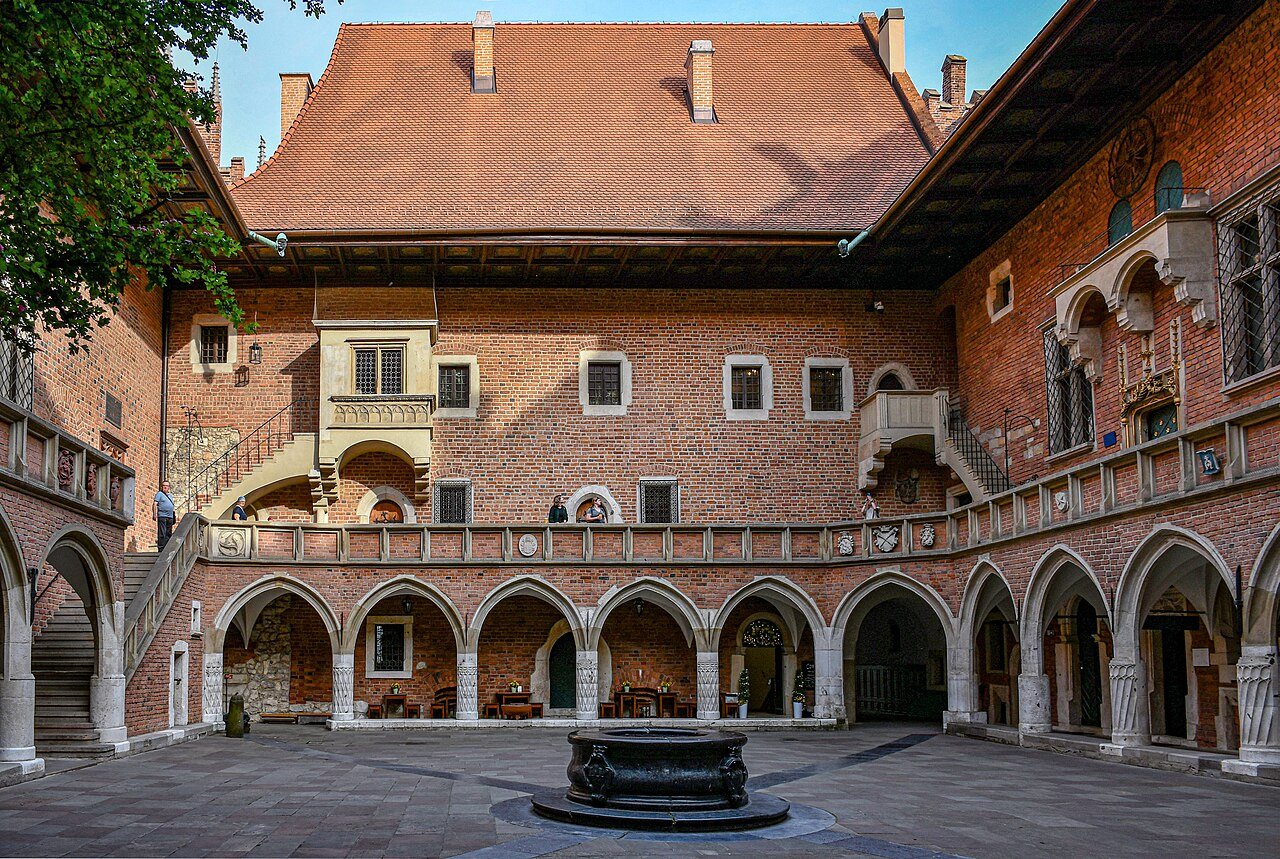
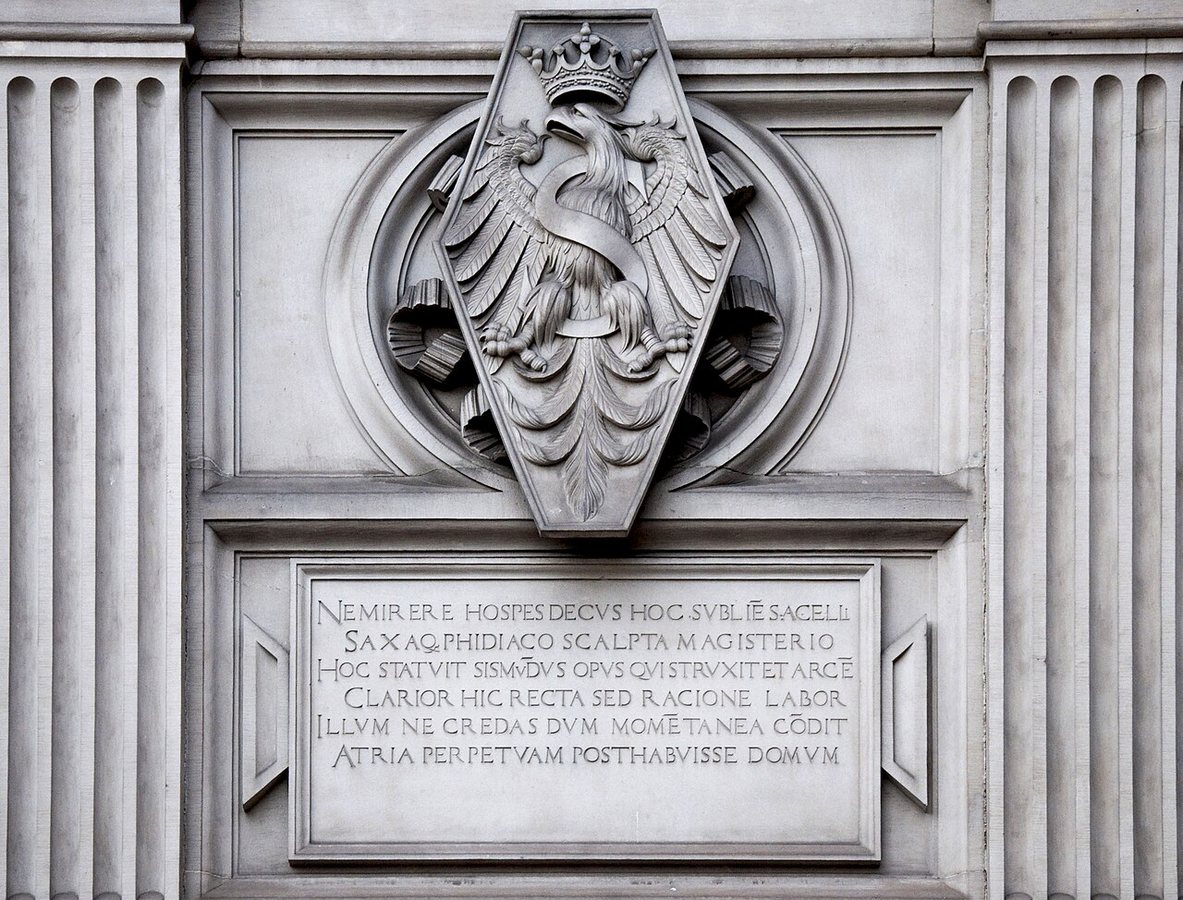
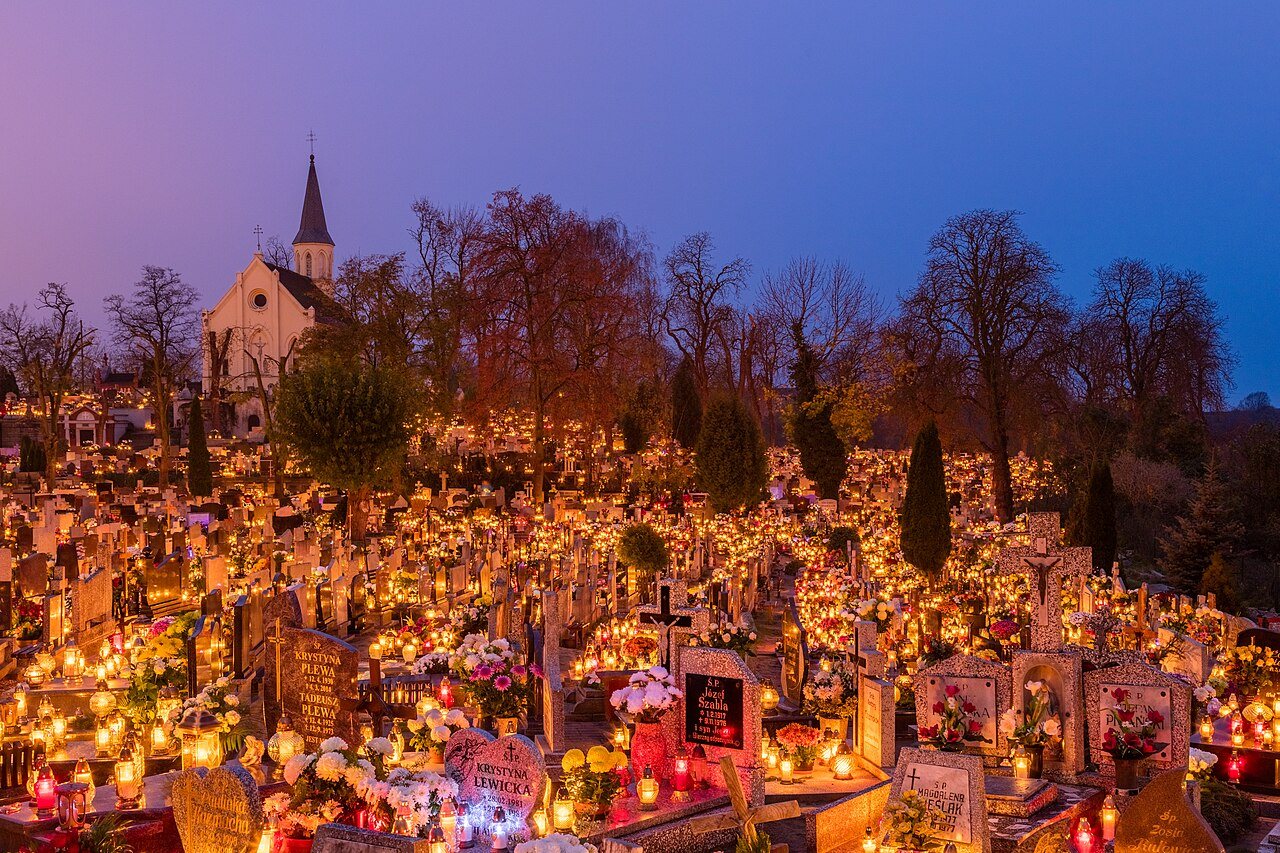
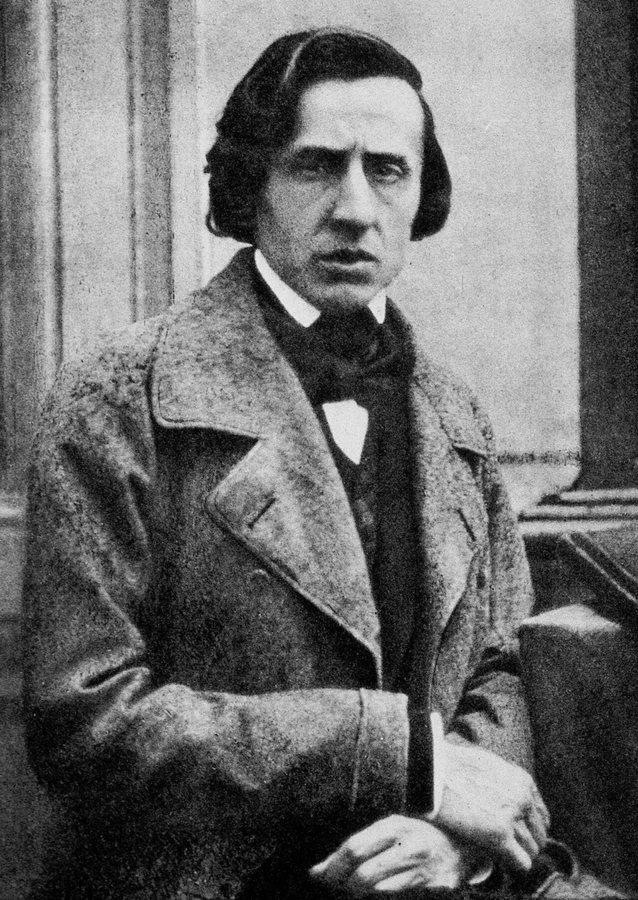
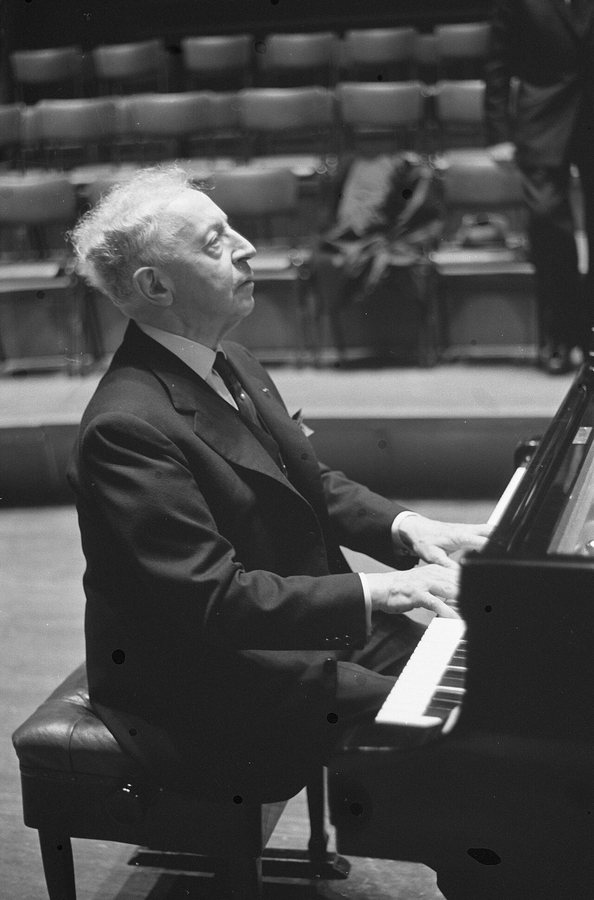
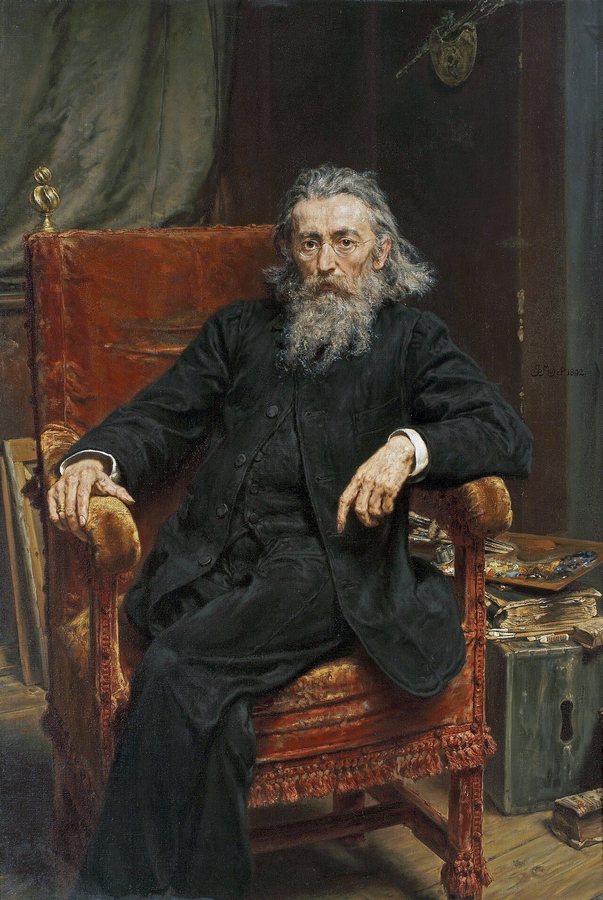
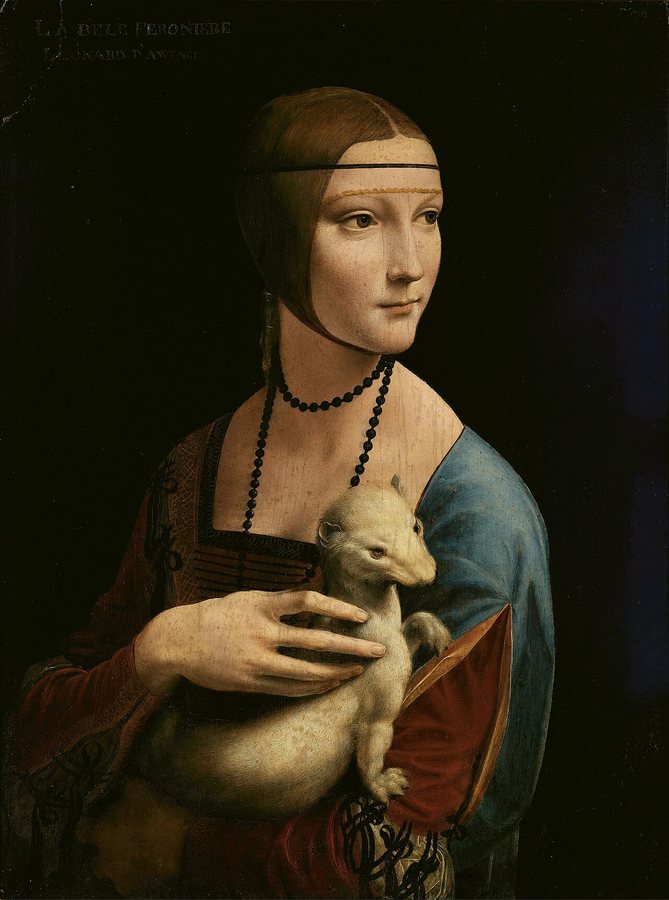
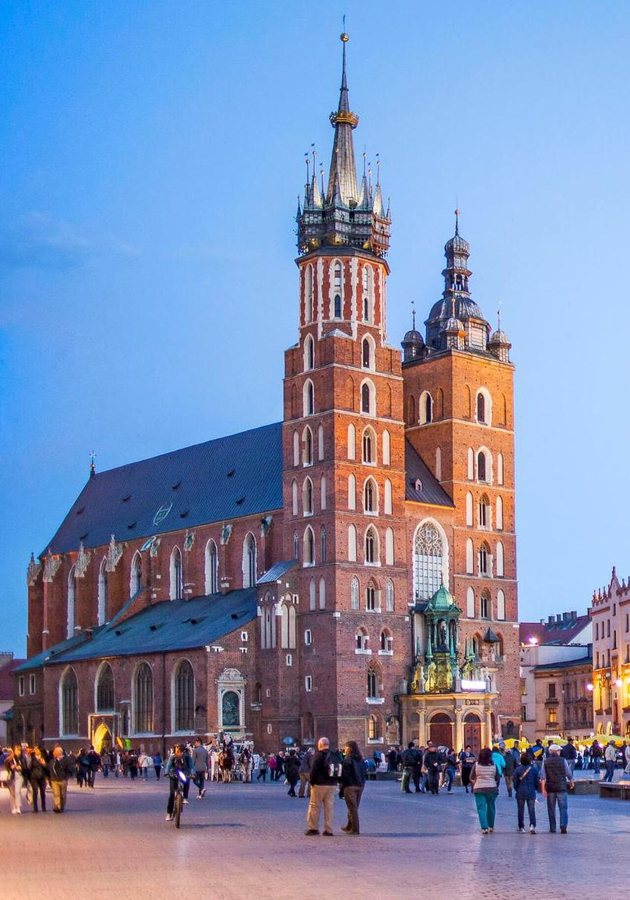
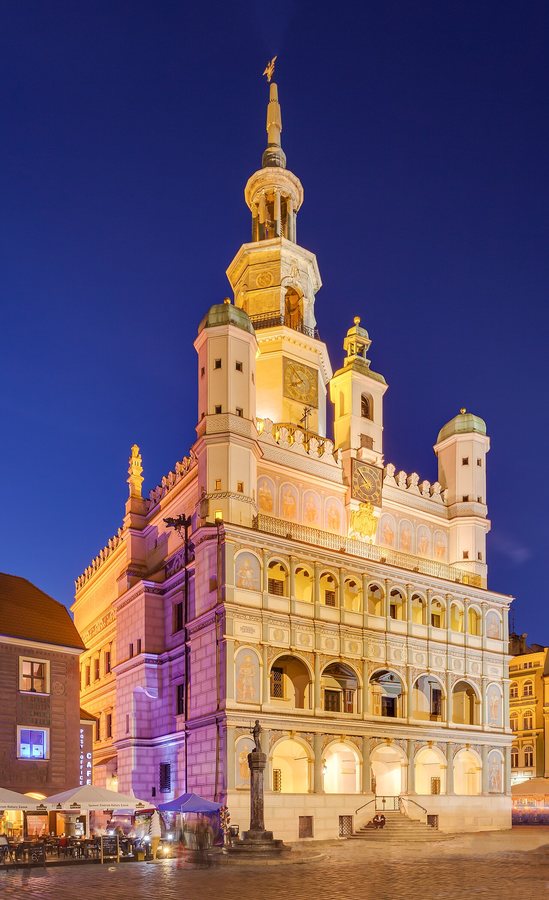

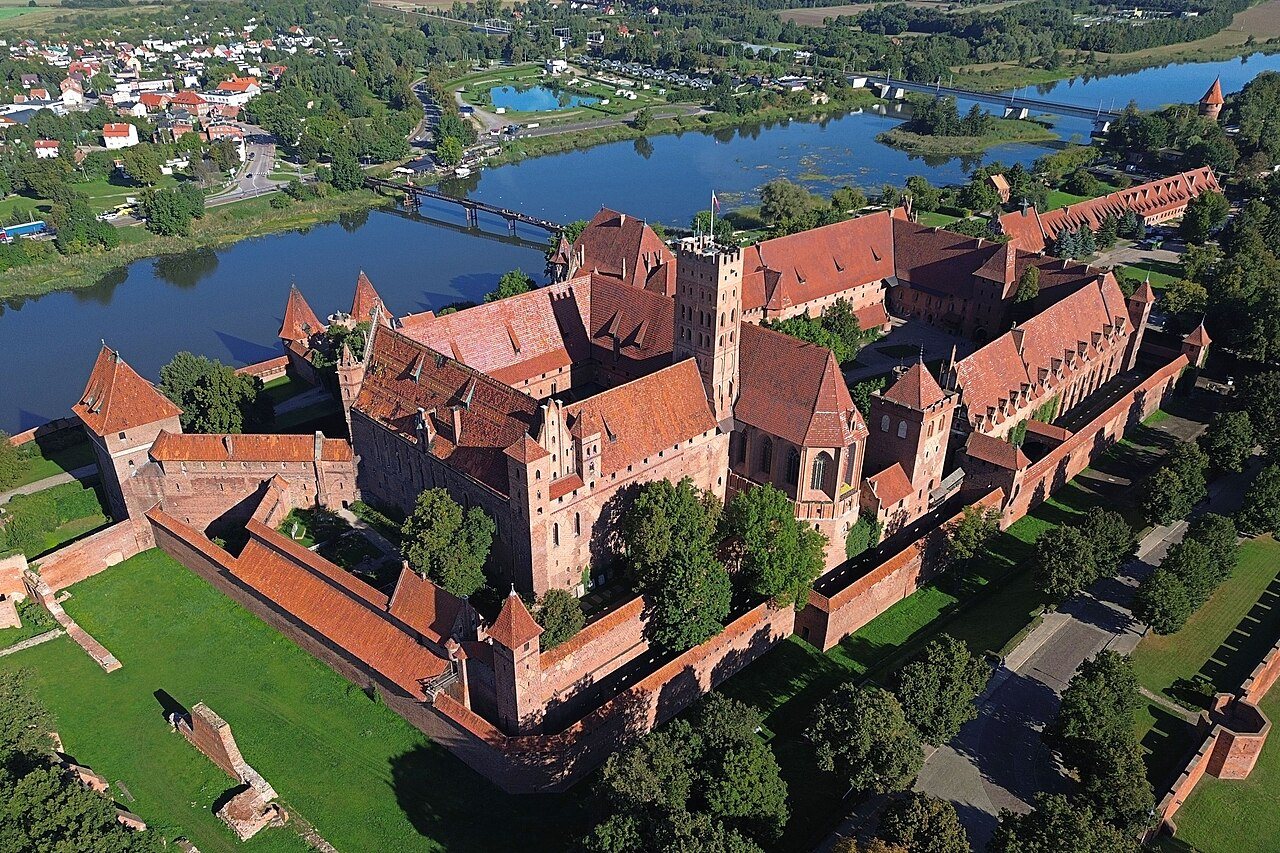
Poland is considered a middle power and a regional power. It is a founding member of the United Nations and a member of NATO and the European Union, including the Schengen Area. The country has 18 UNESCO World Heritage Sites and 23 national parks. Its nominal gross domestic product places it among the largest economies in the world and the European Union.