
Peter Canisius was a 16th-century Dutch Jesuit priest and theologian who played a pivotal role in the Counter-Reformation. Born in Nijmegen in 1521, he became the first Dutchman to join the Society of Jesus. He is widely credited with helping restore Catholic influence across Germany, Austria, and parts of Central Europe through his extensive preaching, academic leadership, and influential writings. As a dedicated educator, he established several Jesuit colleges and served as a prominent teacher and administrator, leaving a lasting impact on Catholic theology and practice.
Life and work


After studying in Cologne, Canisius joined the Jesuits in 1543 and was ordained in 1546. He was a prolific educator, founding the University of Innsbruck and various colleges. He served as a diocesan administrator in Vienna and was a key figure at the Council of Trent. His most famous work, the German Catechism, helped clarify Catholic doctrines for many people. He spent his final years in Fribourg, where he continued his intellectual labors despite suffering a stroke in 1591.
Theological legacy
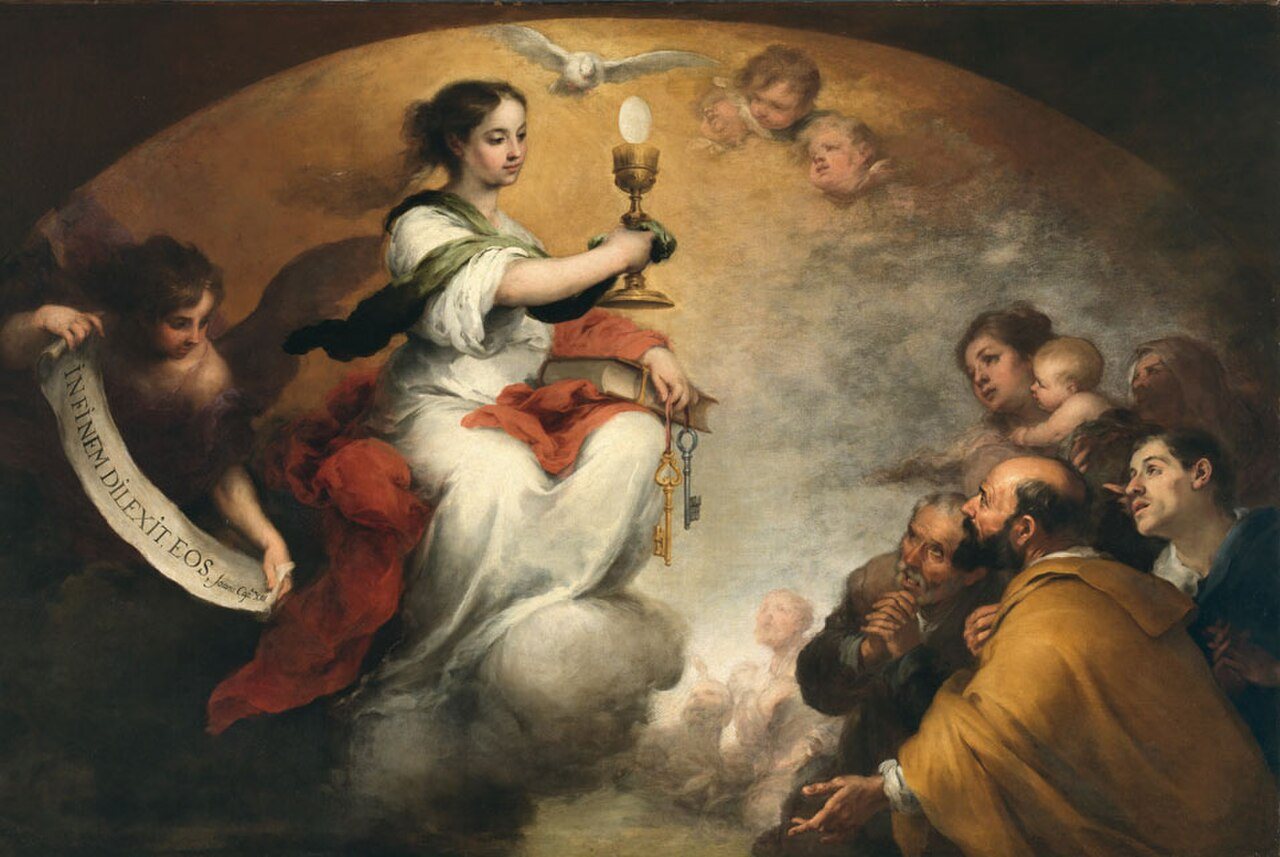
Canisius was known for a pastoral approach that favored clear explanations over aggressive polemics. He authored several catechisms in Latin and German that became essential tools for teaching the faith. He was also a significant proponent of Marian devotion, promoting the rosary and adding the phrase "Holy Mary, Mother of God" to the Hail Mary, a practice that was later adopted by the Council of Trent.
Veneration

The Catholic Church recognizes Canisius as a saint, and he is also honored as a Doctor of the Church. His feast days are observed on April 27 and December 21. He is buried in the Jesuit College in Fribourg, where a chapel remains dedicated to his memory for the faithful to visit.