factograf
EN
Sign in

Brazilian footballer (1940–2022)

Pelé

Pelé

Pelé, born Edson Arantes do Nascimento, was a Brazilian professional footballer who played as a forward. Widely regarded as one of the greatest players in history, he was among the most successful and popular sports figures of the 20th century. He scored 1,279 goals in 1,363 games, a total recognised by Guinness World Records, and won three FIFA World Cup titles, becoming the only player to do so. He died in December 2022.

Early life

Pelé with Santos in October 1962, when he was ranked the best football player in the world
Pelé before facing Boca Juniors in the 1963 Copa Libertadores final at La Bombonera
Pelé with Santos in 1965
Pelé entering the field for his first game with the Cosmos on 15 June 1975
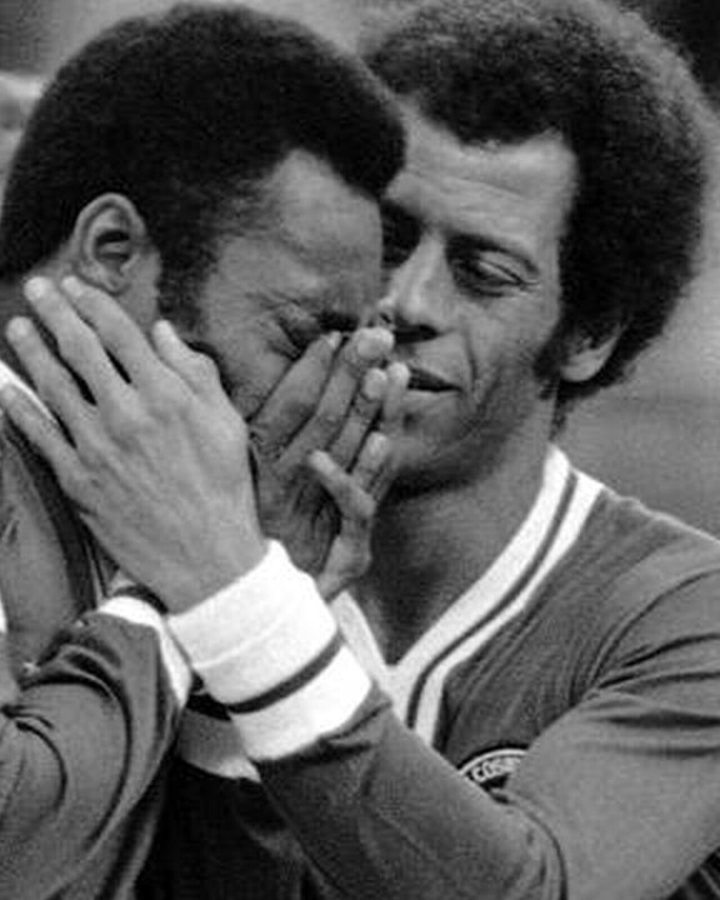
Carlos Alberto comforting Pelé after his farewell match with the Cosmos on 1 October 1977
5 images

Born in Três Corações in Minas Gerais, Pelé grew up in poverty in Bauru, São Paulo state. His father taught him to play, and with no proper ball he often used a grapefruit or a sock stuffed with newspaper. He played amateur football and futsal, where he credited the fast-paced game with sharpening his thinking on the pitch. By his mid-teens he was already outscoring adults in local tournaments.

Club and international career

A 17-year-old Pelé cries on the shoulder of goalkeeper Gilmar after Brazil won the 1958 World Cup final
Pelé with Brazil facing Italy's Giovanni Trapattoni at the San Siro in Milan in 1963
The Brazil team of 1970, with Pelé in the front row, second from the right
Pelé dribbling past a defender while playing for Brazil in May 1960
Pelé held aloft after winning the 1970 World Cup final in Mexico City, the only player to win three World Cups
5 images

Pelé joined Santos as a teenager in 1956 and became the club's all-time top goalscorer. He made his international debut for Brazil at 16 and became the youngest World Cup winner at 17 in 1958. He was nicknamed "O Rei" (the King) after that tournament. His goalscoring record for Brazil stood for more than fifty years, and he is credited with helping link the phrase "The Beautiful Game" to football.

Legacy

A 1969 Brazilian postage stamp commemorating Pelé's 1,000th goal
Pelé, as Brazil's Minister of Sport, meets US president Bill Clinton in Rio de Janeiro in 1997
Pelé at the World Economic Forum in Switzerland in 2006
Pelé in a wheelchair at the unveiling of his statue in Rio de Janeiro in 2018
4 images

After retiring in 1977 he became a global ambassador for football and took part in acting and commercial ventures. In Brazil he was celebrated as a national hero, and he later served as the country's Minister of Sport. His emergence as a Black global sporting star at the 1958 World Cup was widely seen as an inspiration, and he received numerous awards for his play and lasting influence on the sport.

In 145 languages

EnglishČeštinaDeutschEspañolFrançaisItaliano日本語PolskiPortuguêsРусскийУкраїнська中文AfrikaansአማርኛAragoneseالعربيةMoroccan ArabicEgyptian ArabicAsturianuঅসমীয়াAymaraAzbAzərbaycanBalineseБашҡортБеларускаяБългарскиবাংলাBrezhonegBosanskiCatalàCebuanoНохчийнکوردیی ناوەندیCymraegDanskZazaΕλληνικάEsperantoEestiEuskaraفارسیfiu-vroSuomiFøroysktFryskGaeilgeGalegoGuaraniकोंकणीGpeગુજરાતીHausaעבריתहिन्दीHrvatskiHaitian CreoleMagyarՀայերենHywBahasa IndonesiaIdoÍslenskaJawaKara-KalpakTaqbaylitქართულიTyapGikuyuҚазақшаಕನ್ನಡ한국어Kurdî (kurmancî)КыргызчаLatinLëtzebuergeschLezghianLombardລາວLietuviųLatviešuMadureseMalagasyMinangkabauМакедонскиമലയാളംМонголमराठीMelayuMaltiMirandeseမြန်မာمازرونیNeapolitanNeddersass’schनेपालीNederlandsNorsk nynorskNorskߒߞߏNyanjaИронPapiamentoਪੰਜਾਬੀPiemontèisWestern PanjabiPplRunasimiRomânăСаха тылаᱥᱟᱱᱛᱟᱲᱤसंस्कृत भाषाSicilianuScotsSarduSrpski (latinica)SlovenčinaSlovenščinaShqipСрпскиSvenskaKiswahiliSylŚlōnskiதமிழ்తెలుగుТоҷикӣไทยTürkmen diliFilipinoTalyshTürkçeТатарТываاردوO‘zbekTiếng ViệtWest FlemishVolapükWarayWu ChineseIsiXhosaMingrelianÈdè Yorùbázh-yue

Редакція Factograf · Published October 14, 2026 · Partly based on Wikipedia, CC BY-SA 4.0 · Source article