Pablo III de Brescia was a bishop of Brescia who lived during the transition between the 6th and 7th centuries. Serving as the successor to Dominator and the predecessor to Paterius, his tenure as bishop was likely brief, as his successor Anastasius took office in 604. While specific details of his leadership are scarce, he may have been involved in the theological disputes regarding the Three Chapters, potentially choosing not to sign certain condemnations to avoid deepening divisions within Northern Italy.
Life and ministry

During his time as bishop, Pablo III faced internal challenges, including an unsuccessful attempt by a man named Bertician to obtain the see through bribery. Historians suggest his ecclesiastical decisions were motivated by a desire to maintain unity among Christians in the region rather than a commitment to schism. He died in early 7th-century Italy, with medieval martyrologies recording his death on February 7.
Veneration
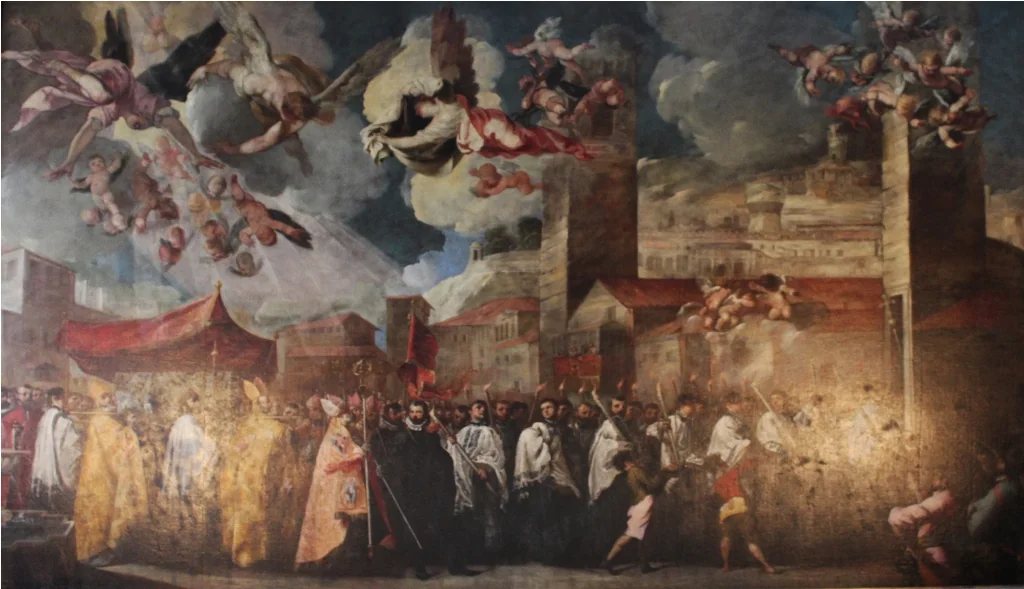
The saint is honored in the Catholic Church, with his feast day observed on February 7. His remains were moved several times, from the basilica of San Andrea de Rebuffone to San Stefano in Arse, and later to San Pietro de Dom. Ultimately, his relics were transferred to the old cathedral of Brescia in 1604, where they remain. The diocese also commemorates the dates his relics were moved.