factograf
EN
Sign in

leader of the Soviet Union from 1953 to 1964

Nikita Khrushchev

Nikita Khrushchev

Nikita Khrushchev was the First Secretary of the Communist Party of the Soviet Union from 1953 to 1964 and Chairman of the Council of Ministers from 1958 to 1964. He denounced his predecessor Joseph Stalin, launched a campaign of de-Stalinization, and presided over the Cuban Missile Crisis in 1962. His domestic policies were often ineffective, and his rivals forced him from power in October 1964. He died in 1971.

Early life
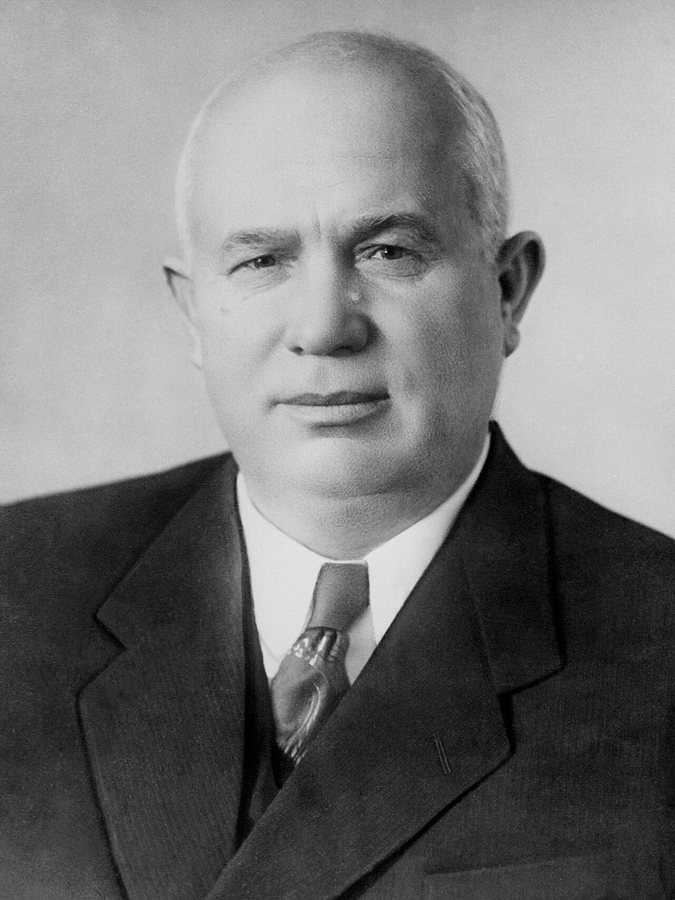
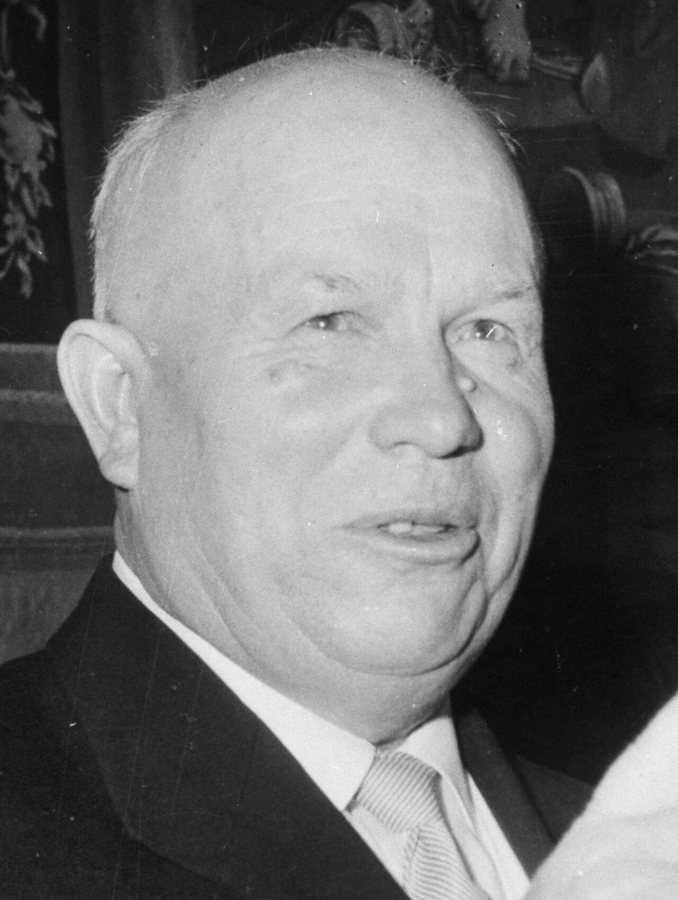
1956 press photo of Communist Party Secretary Nikita S. Khrushchev in Moscow, cropped
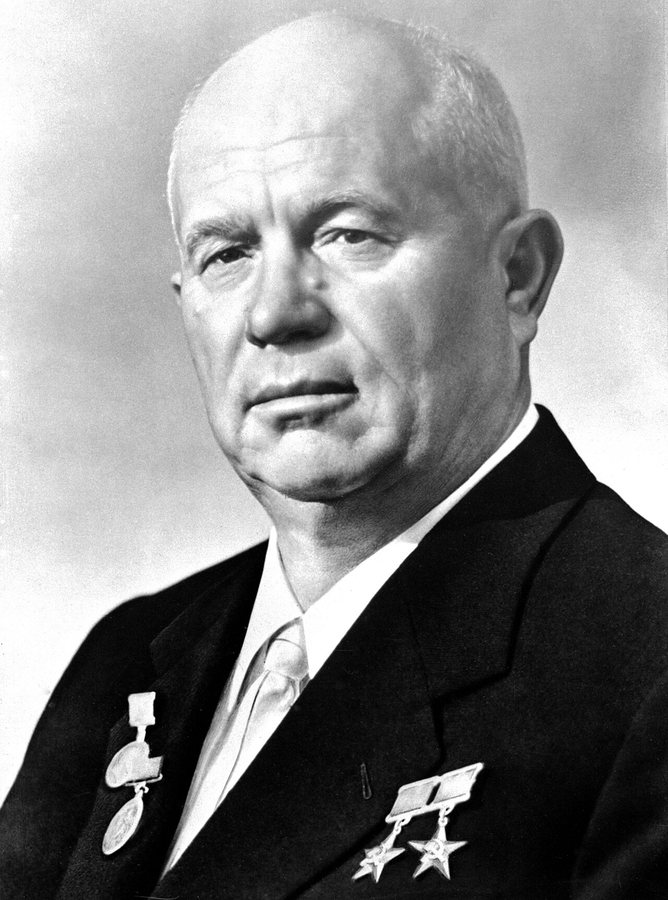
Nikita Khrushchev in 1962, close cropped
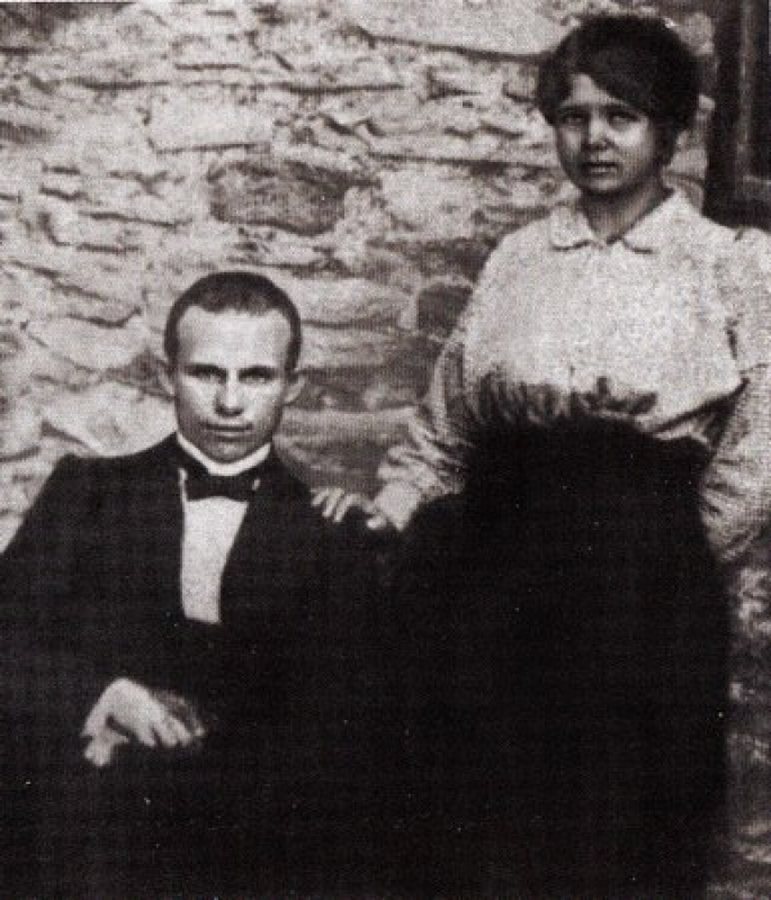
Khrushchev and his first wife Yefrosinia in 1916
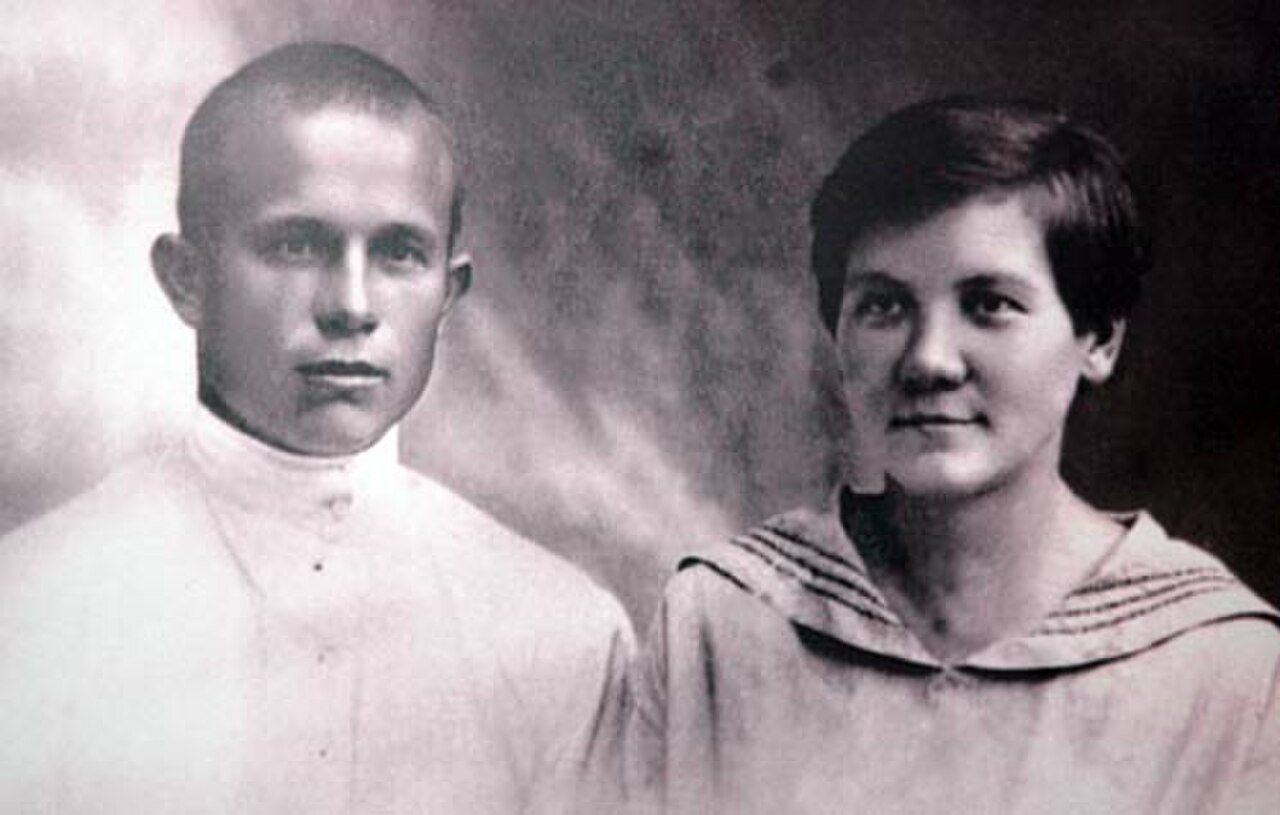
Khrushchev's second wife, Ukrainian-born Nina Petrovna Kukharchuk, whom he met in 1922, photographed in 1924; they only officially married in 1965
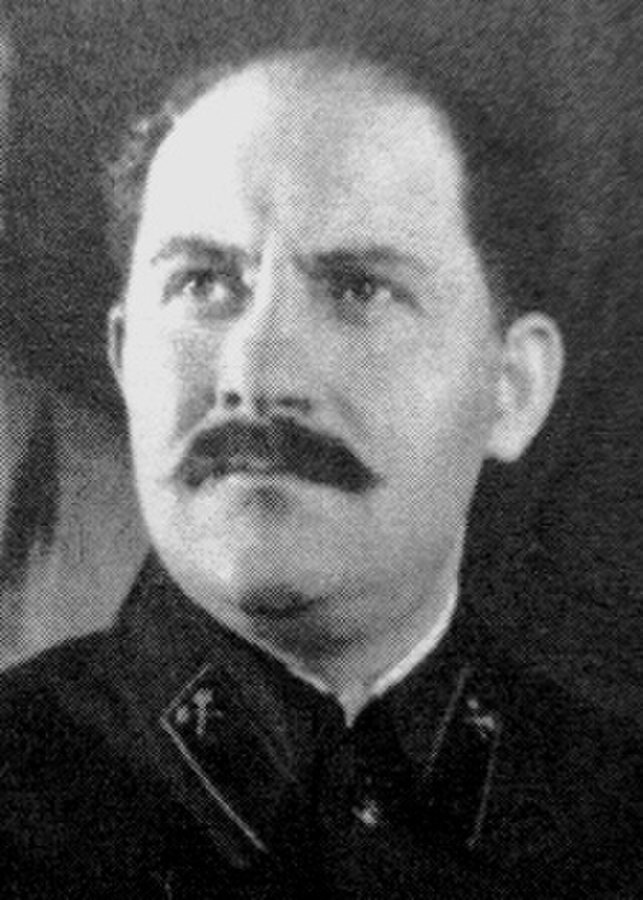
Lazar Kaganovich, one of the chief enforcers of Stalin's dictatorship and Khrushchev's main patron
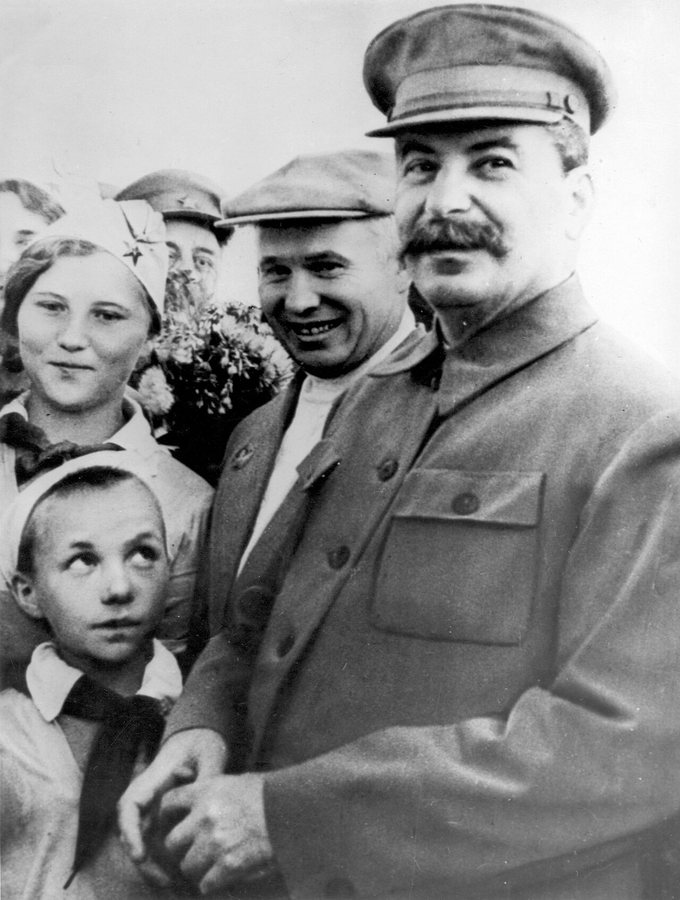
Khrushchev (second from right) posing for a photo with Joseph Stalin (far right) during the 1930s
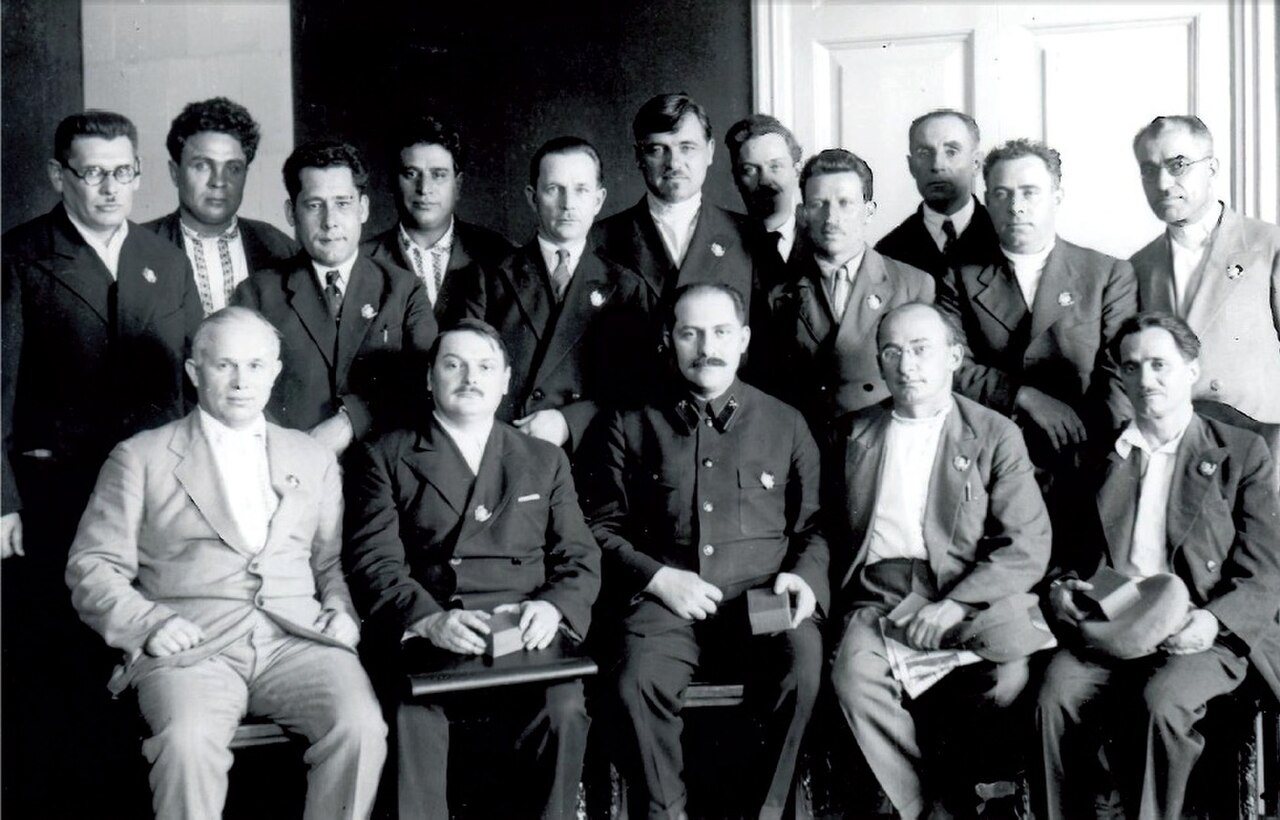
Regional party leaders in 1935, with Khrushchev (Moscow), Andrei Zhdanov, Lazar Kaganovich, Lavrentiy Beria, Nestor Lakoba and Mir Jafar Baghirov
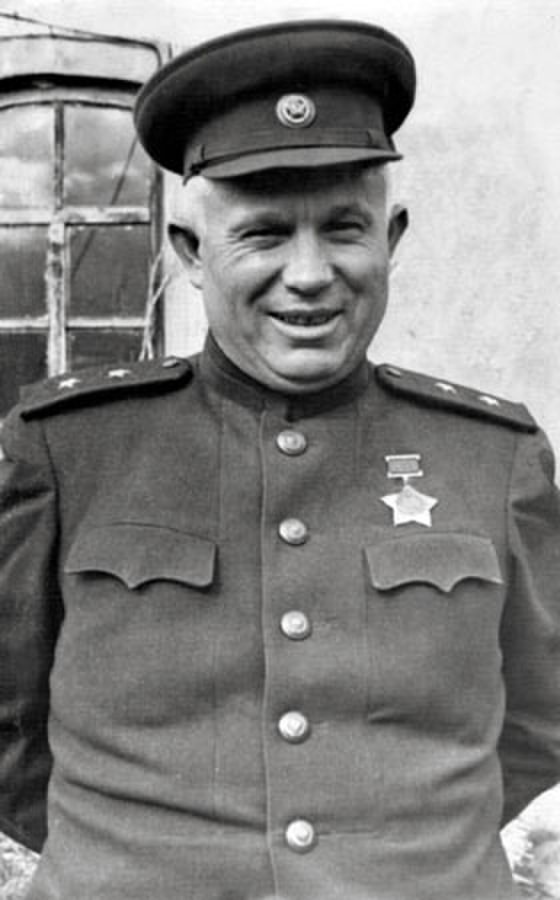
Nikita Khrushchev in a Red Army uniform after the Soviet Union entered the war
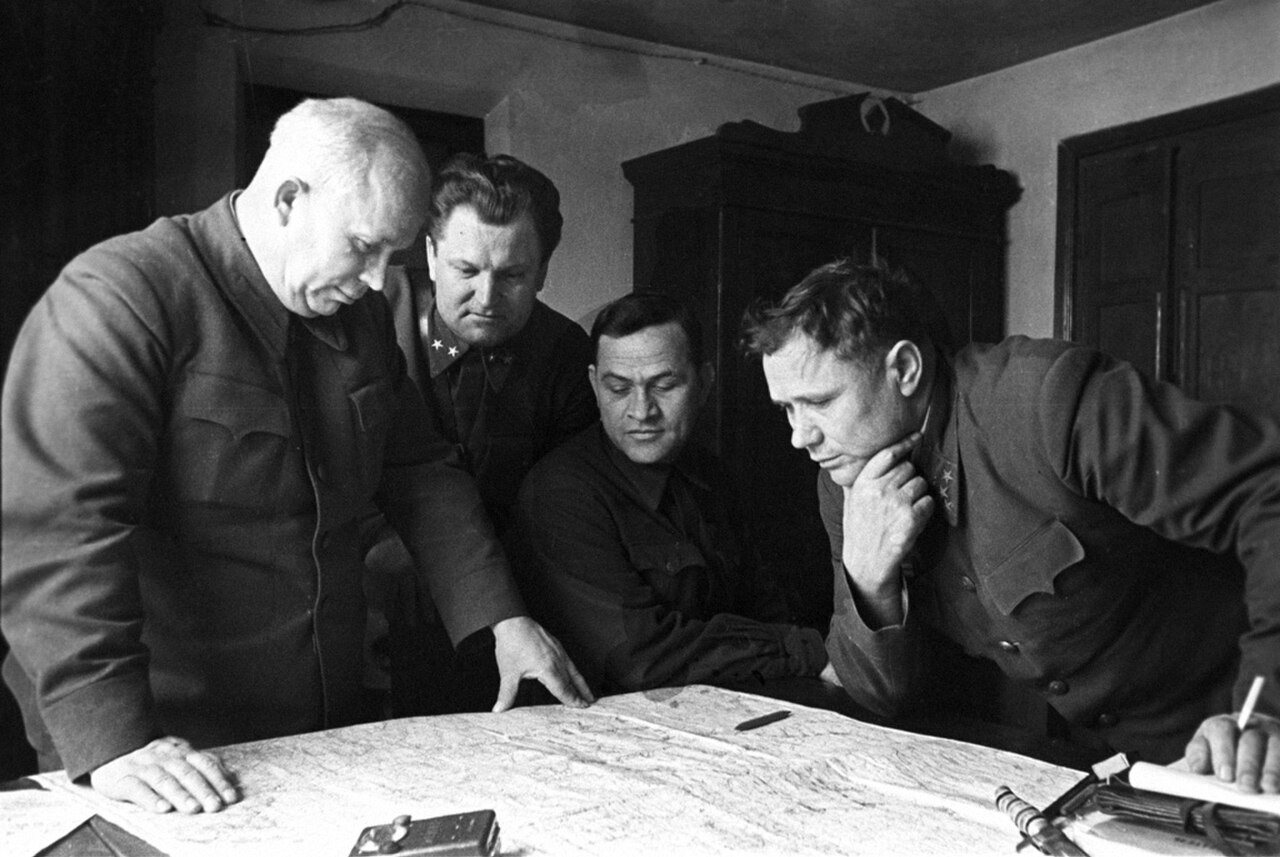
Khrushchev (left) on the Stalingrad Front
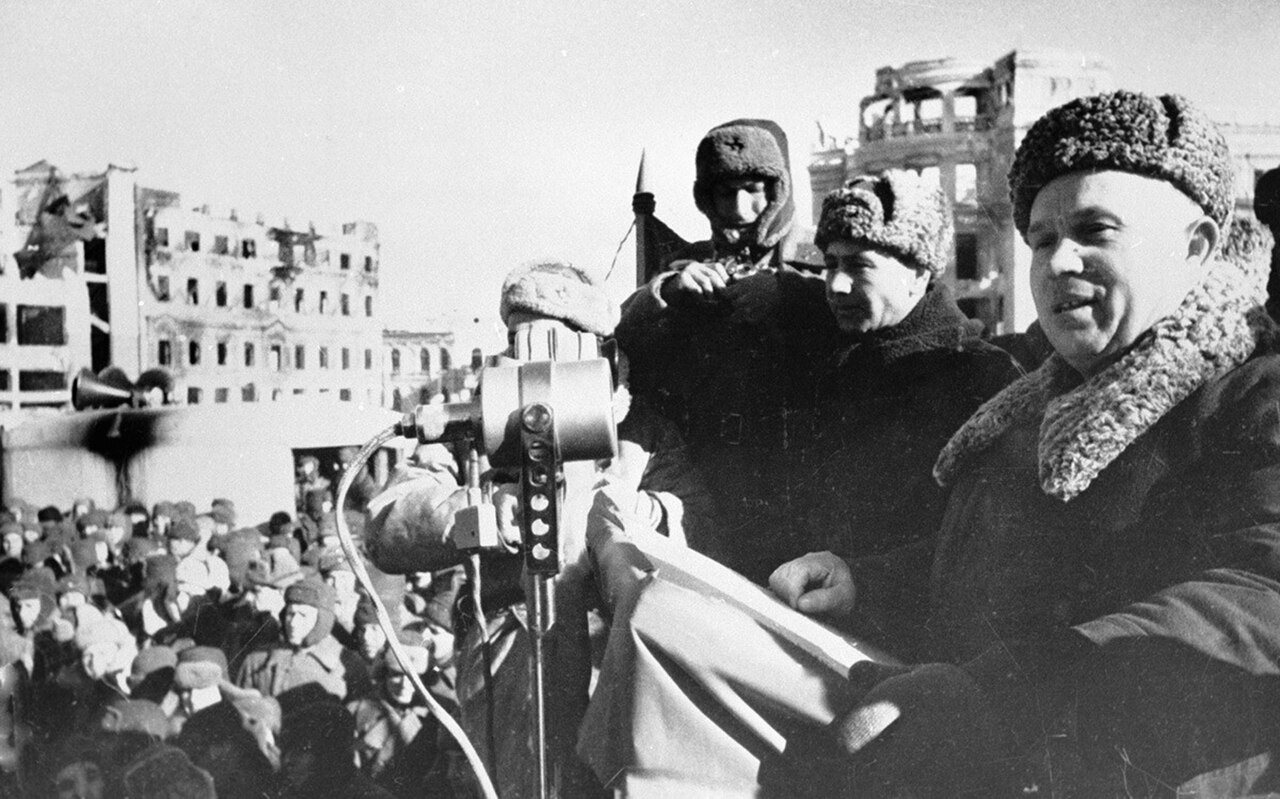
Khrushchev (right) speaking at a victory rally of Red Army soldiers in Stalingrad, 4 February 1943
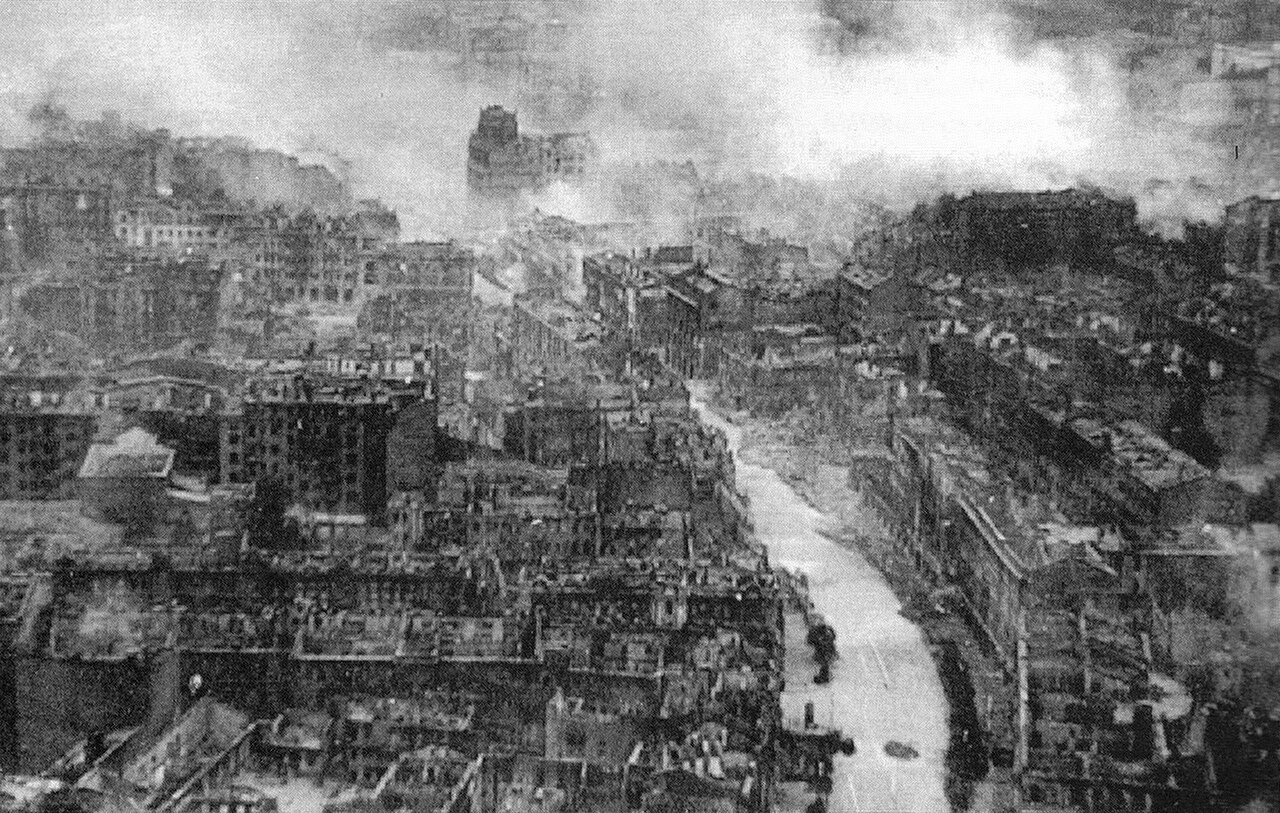
The Ukrainian capital, Kiev, after the Second World War
11 images

Khrushchev was born in 1894 in a poor peasant village in Kursk Governorate, near the Ukrainian border. He worked as a herdsboy, then as a metal fitter in the industrial Donbas region. During the Russian Civil War he joined the Bolsheviks and served as a political commissar in the Red Army, a post that handled indoctrination of recruits and troop morale.

Rise and Stalin era
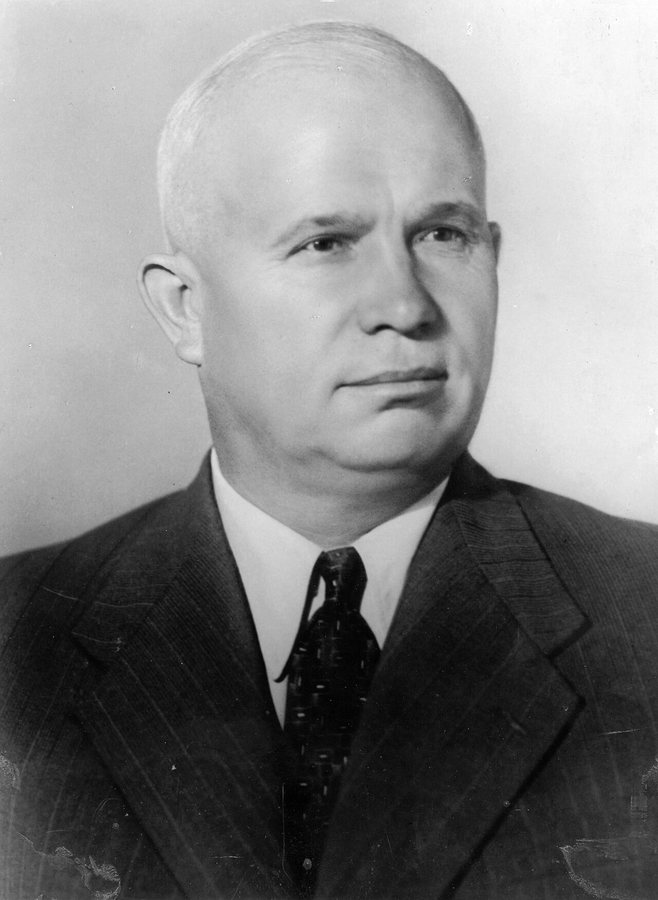
Khrushchev around 1948
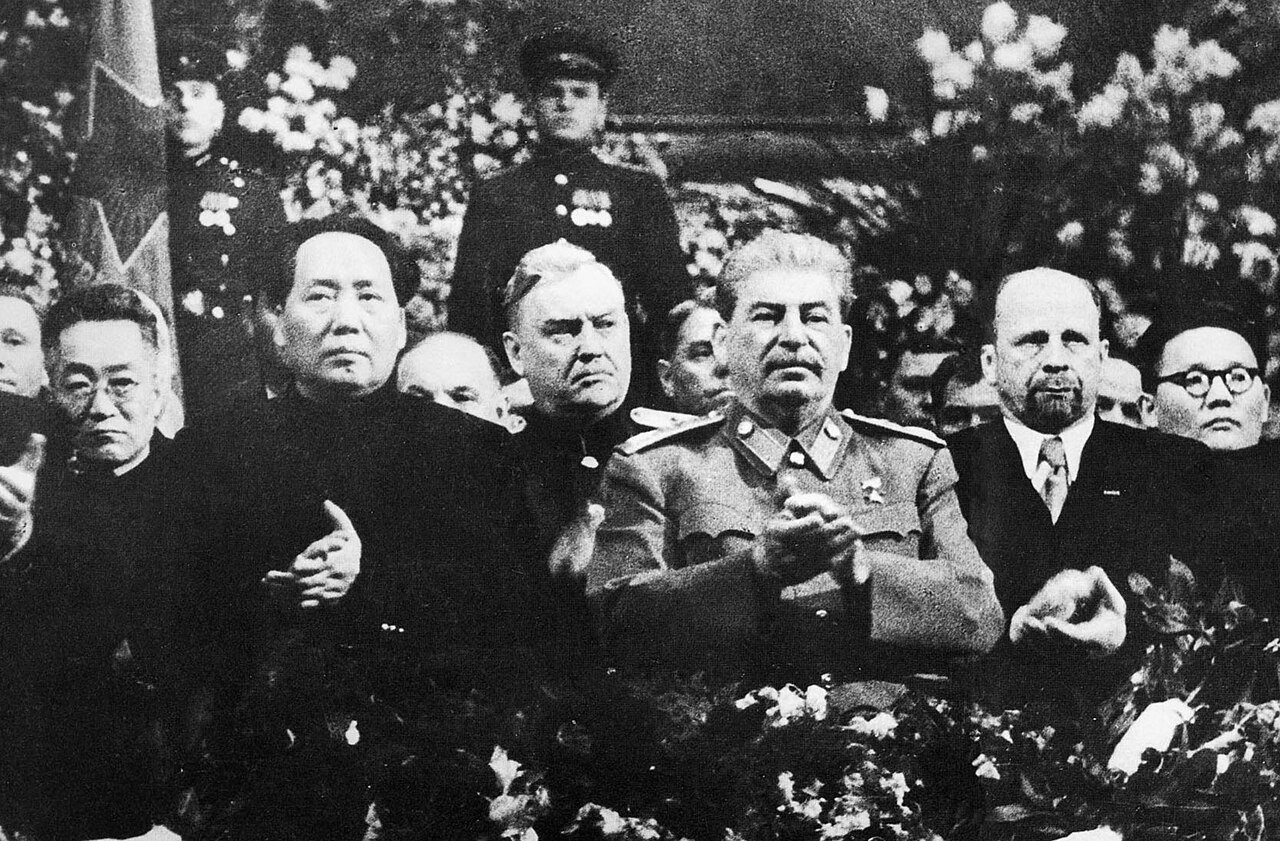
Joseph Stalin (third from right) presiding over a ceremony for his 71st birthday, a few years before his death
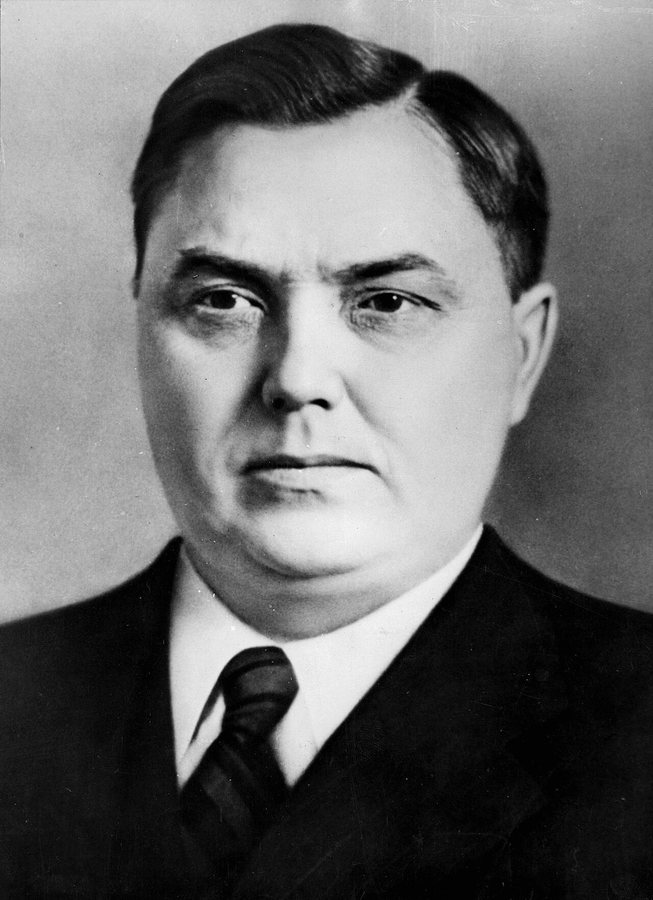
Georgy Malenkov, the Second Secretary who succeeded Stalin as leader of the Soviet Union
Khrushchev on the November 1953 cover of TIME after becoming First Secretary of the Communist Party
Nikita Khrushchev with Anastas Mikoyan (far right) in Berlin
Khrushchev, his wife, his son Sergei (far right) and his daughter Rada during their 1959 trip to the US
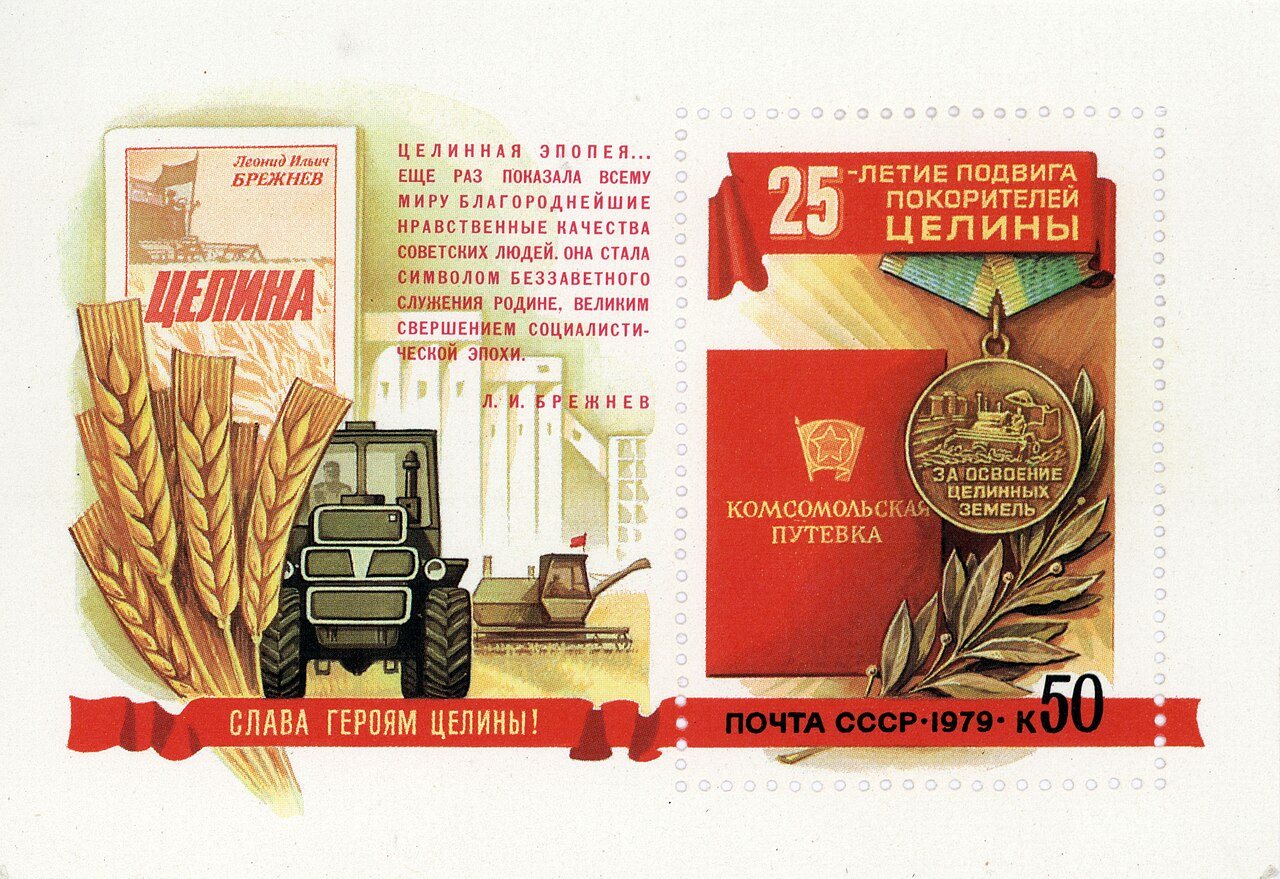
A 1979 postage stamp commemorating the 25th anniversary of the Virgin Lands campaign
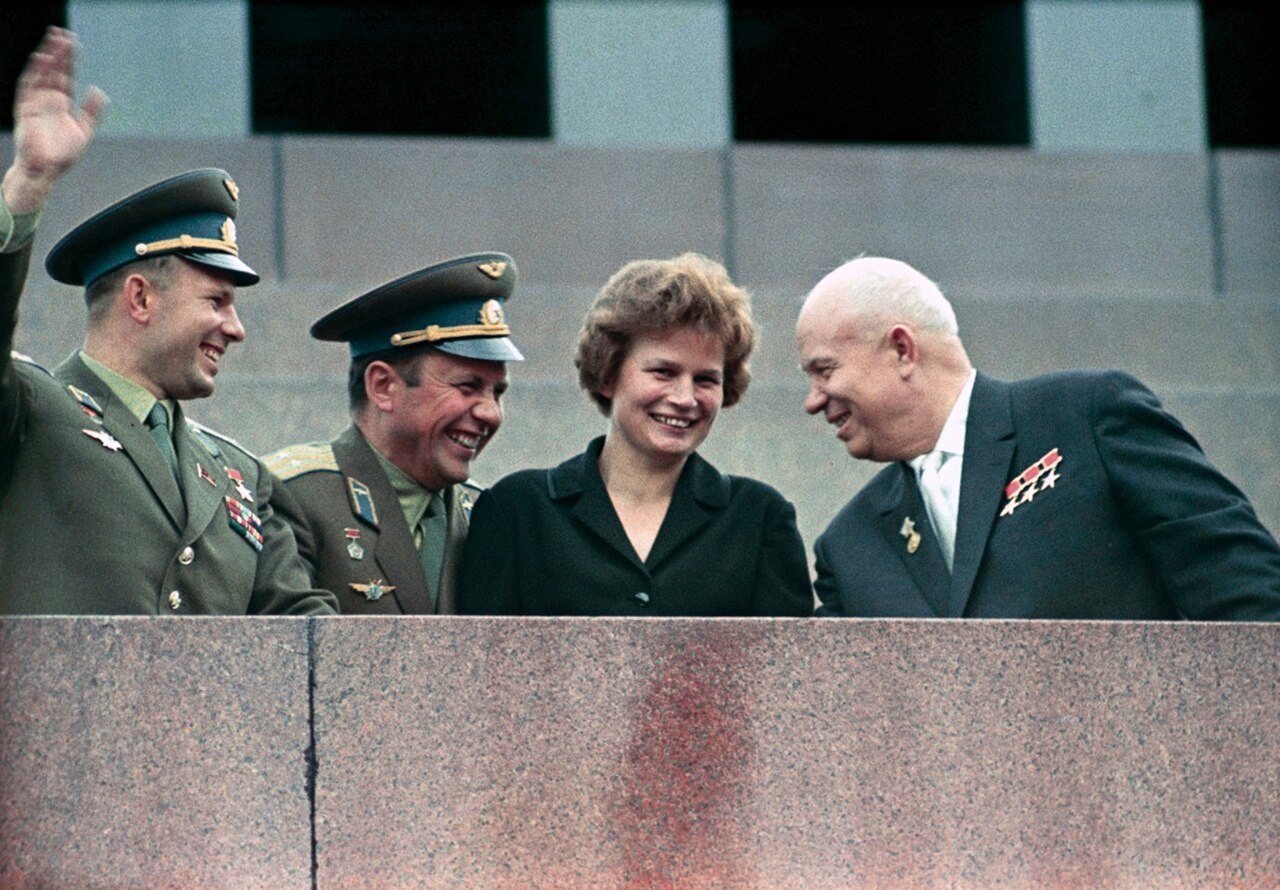
Khrushchev (right) with cosmonauts Yuri Gagarin, Pavel Popovich and Valentina Tereshkova, 1963
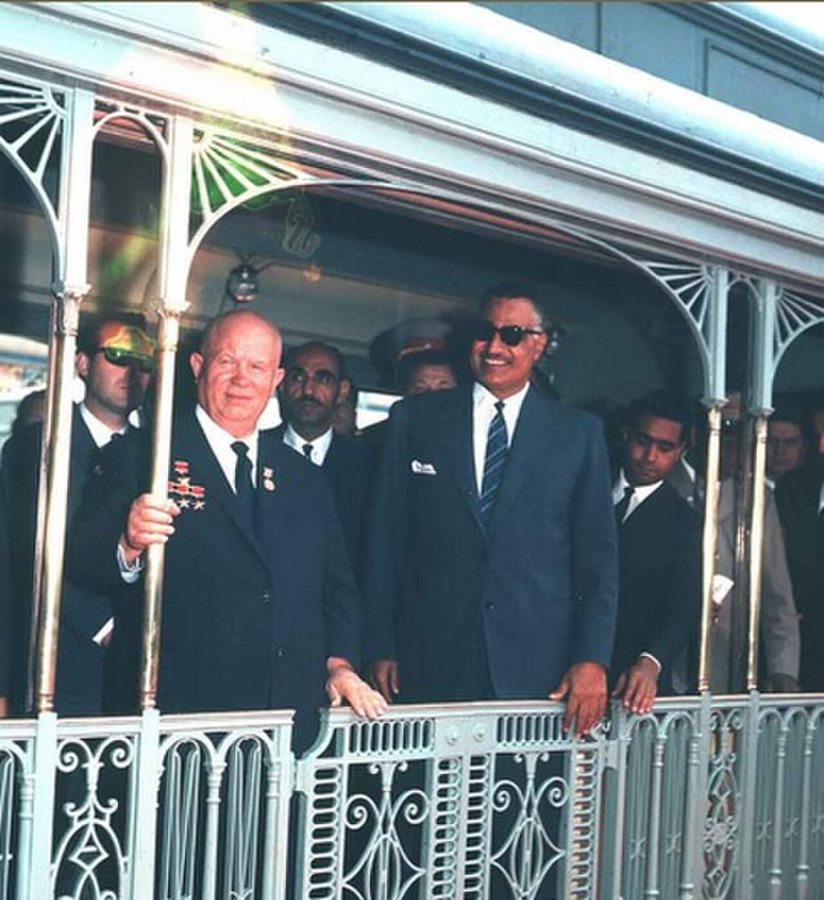
Nasser and Khrushchev, 1964
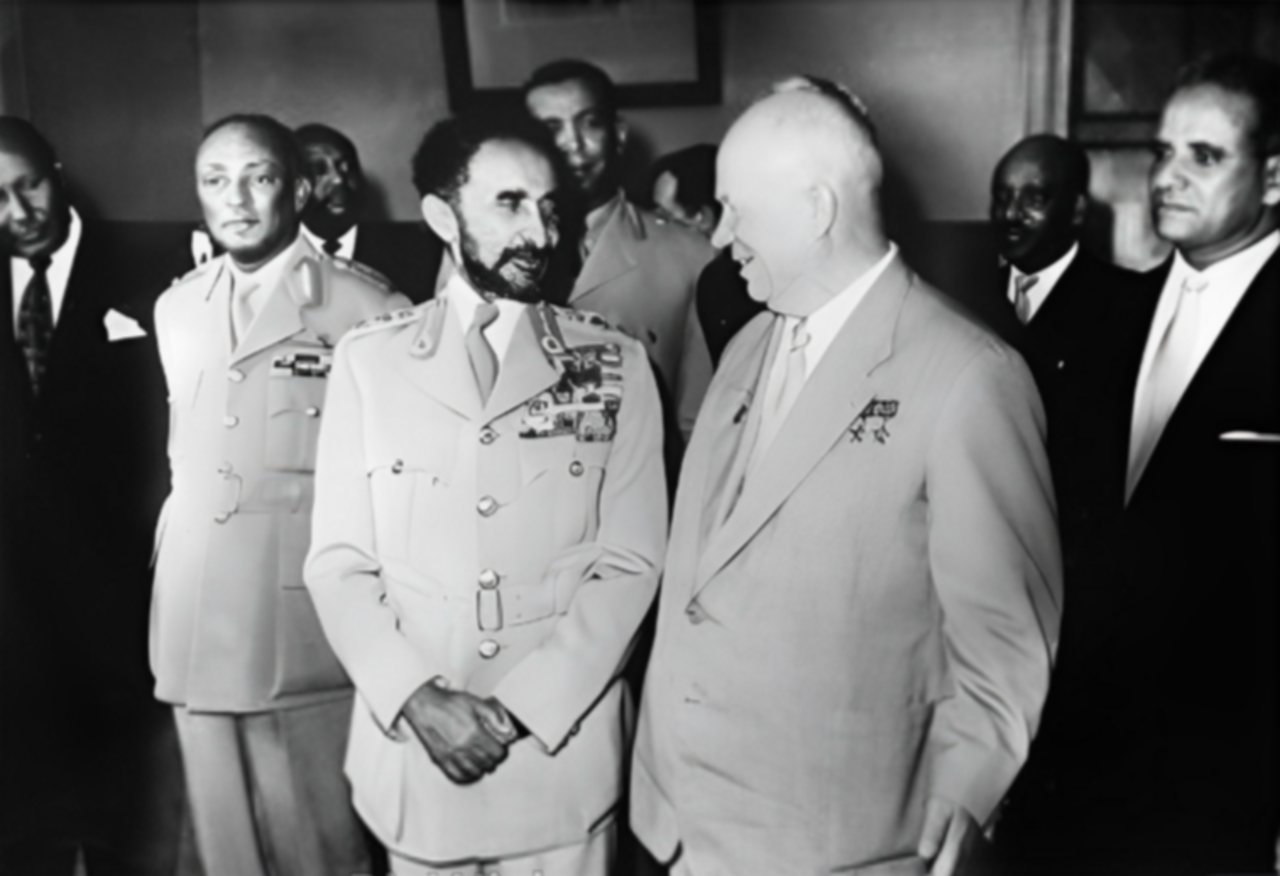
Soviet Union and Ethiopia
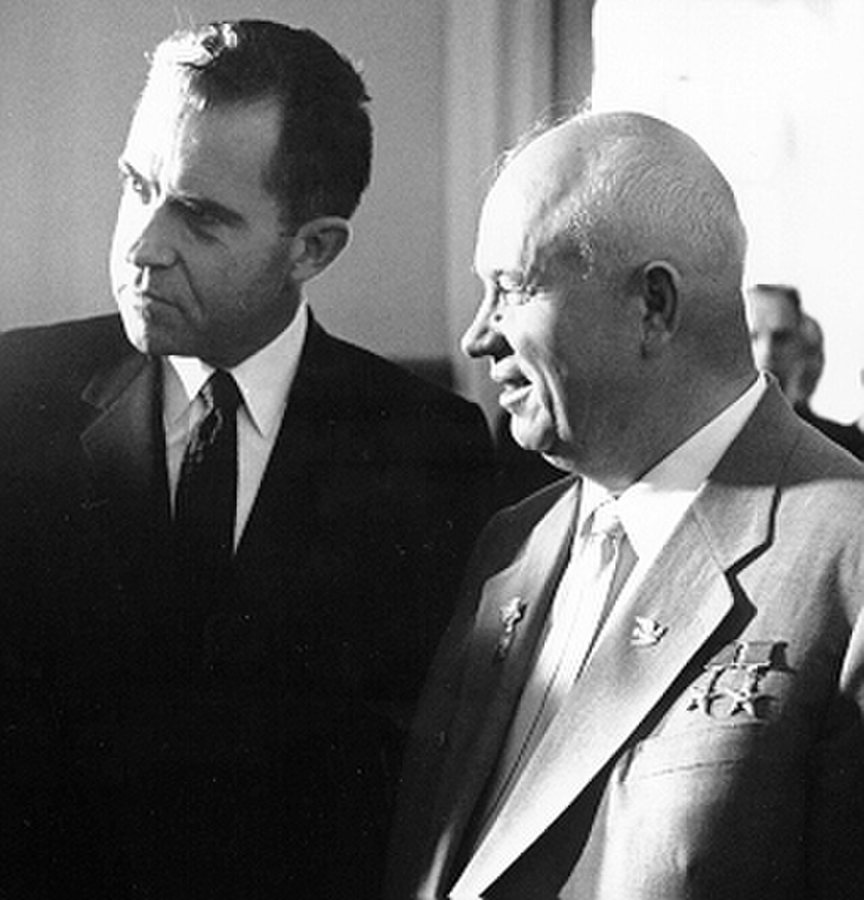
Khrushchev with Vice President Richard Nixon, 1959
11 images

Khrushchev advanced through the Soviet hierarchy under the sponsorship of Lazar Kaganovich. During Stalin's rule he supported the Great Purge and approved thousands of arrests, and in 1938 he was sent to govern the Ukrainian SSR. After the death of Stalin in 1953, he consolidated his authority as First Secretary and eliminated his rival Lavrentiy Beria.

Legacy in office
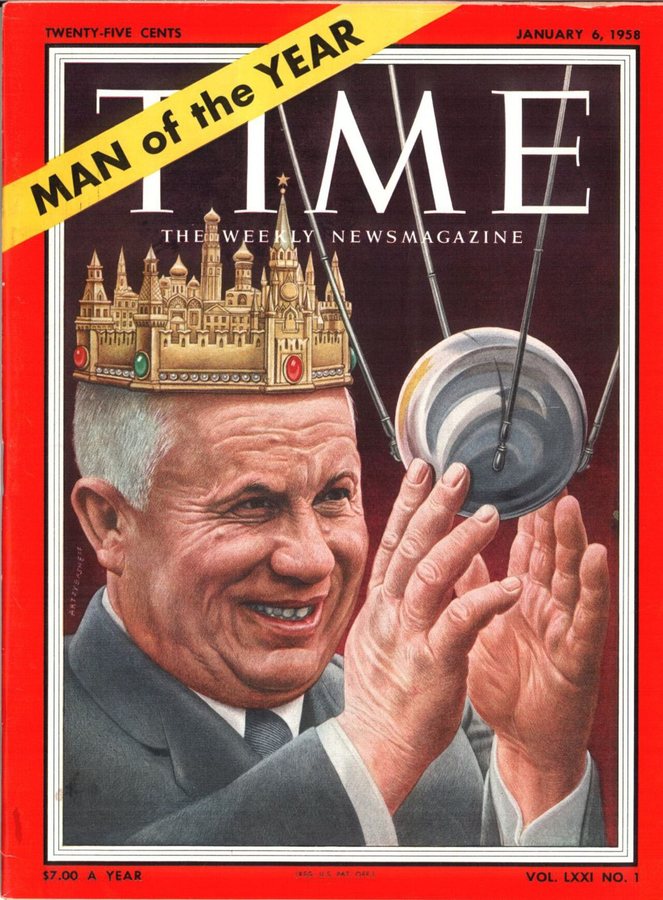
Khrushchev featured as Time Magazine's Man of the Year for 1957 after the launch of Sputnik
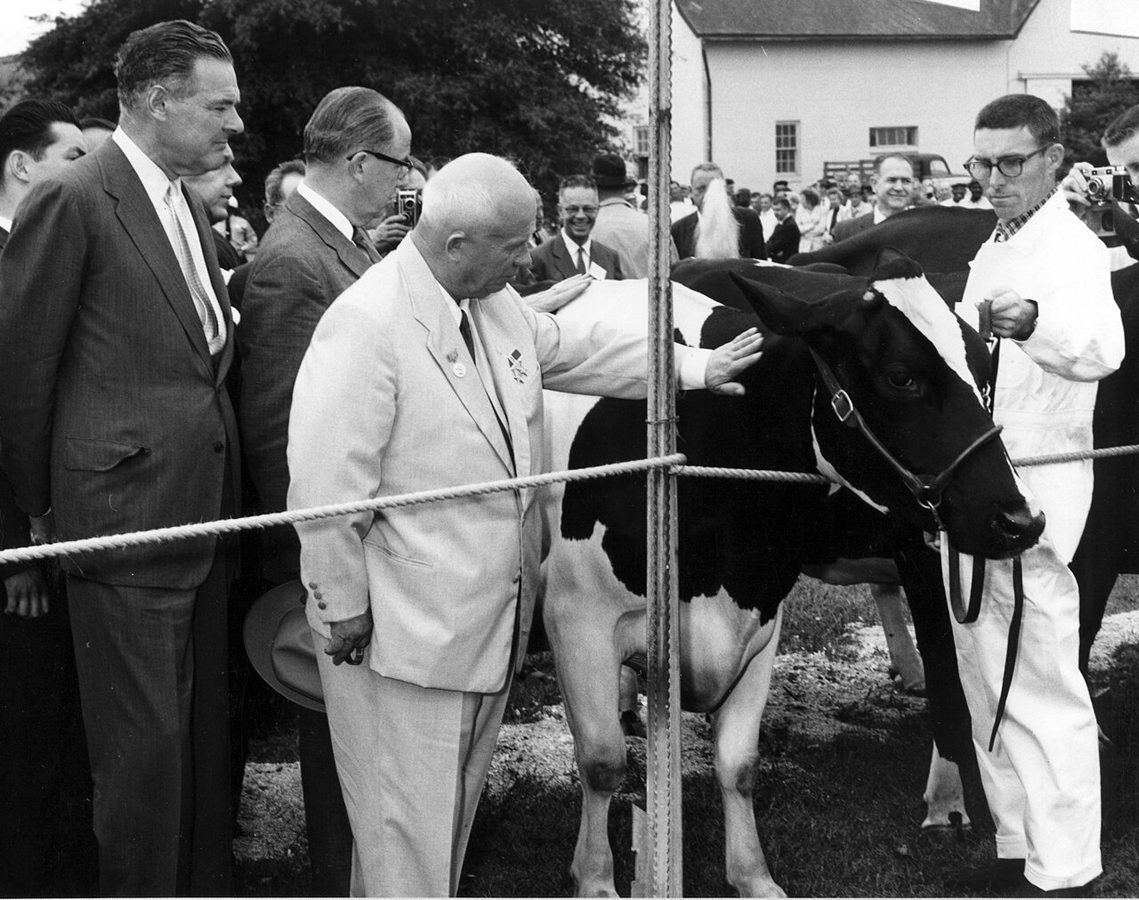
Khrushchev with Agriculture Secretary Ezra Taft Benson (left of Khrushchev) and U.S. Ambassador to the United Nations Henry Cabot Lodge (far left) at the Agricultural Research Service Center, 16 September 1959
Khrushchev and head of the USSR delegation Zoya Mironova at the United Nations, September 1960
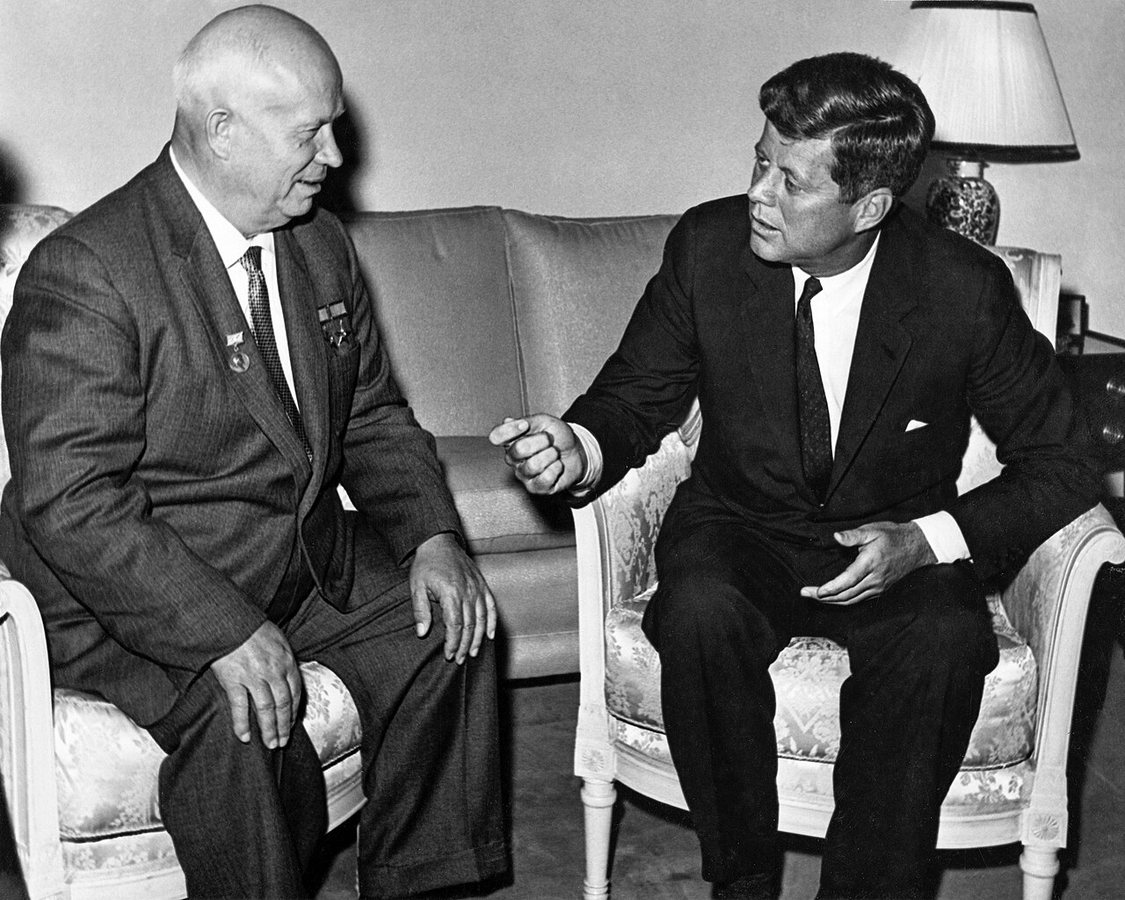
Khrushchev and John F. Kennedy in Vienna, June 1961
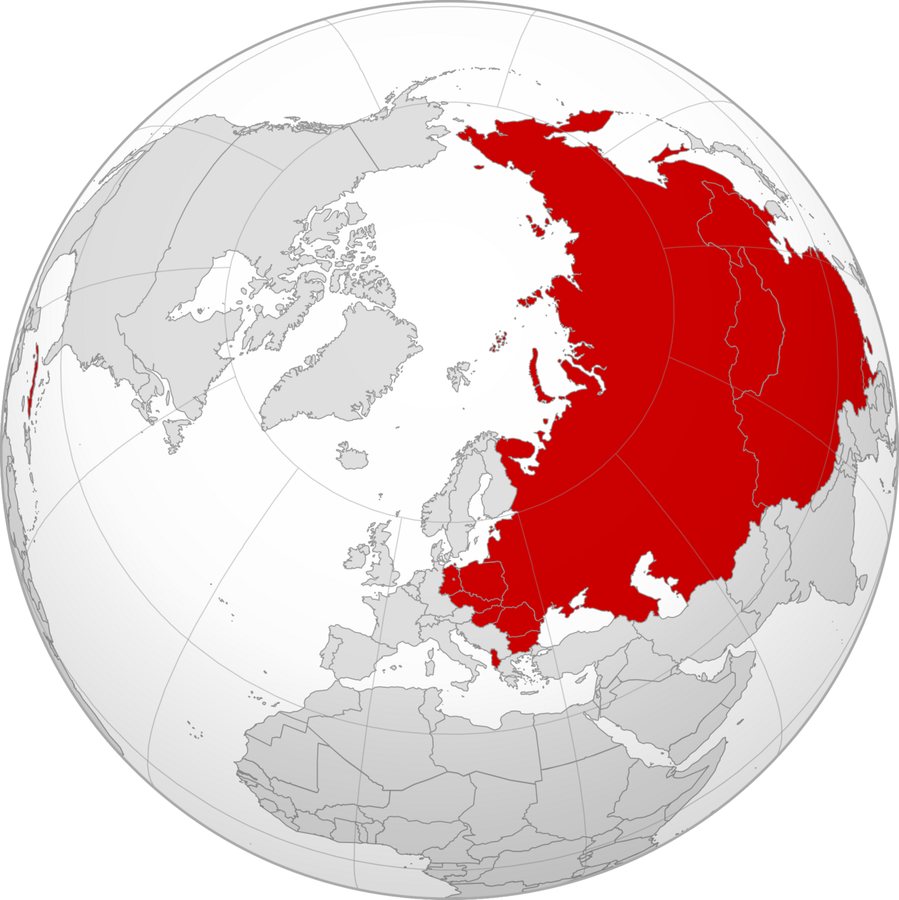
Maximum territorial extent of countries under Soviet influence, after the 1959 Cuban Revolution and before the official Sino-Soviet split of 1961
Khrushchev and Gheorghe Gheorghiu-Dej at Bucharest's Băneasa Airport in June 1960, with Nicolae Ceaușescu at Gheorghiu-Dej's right
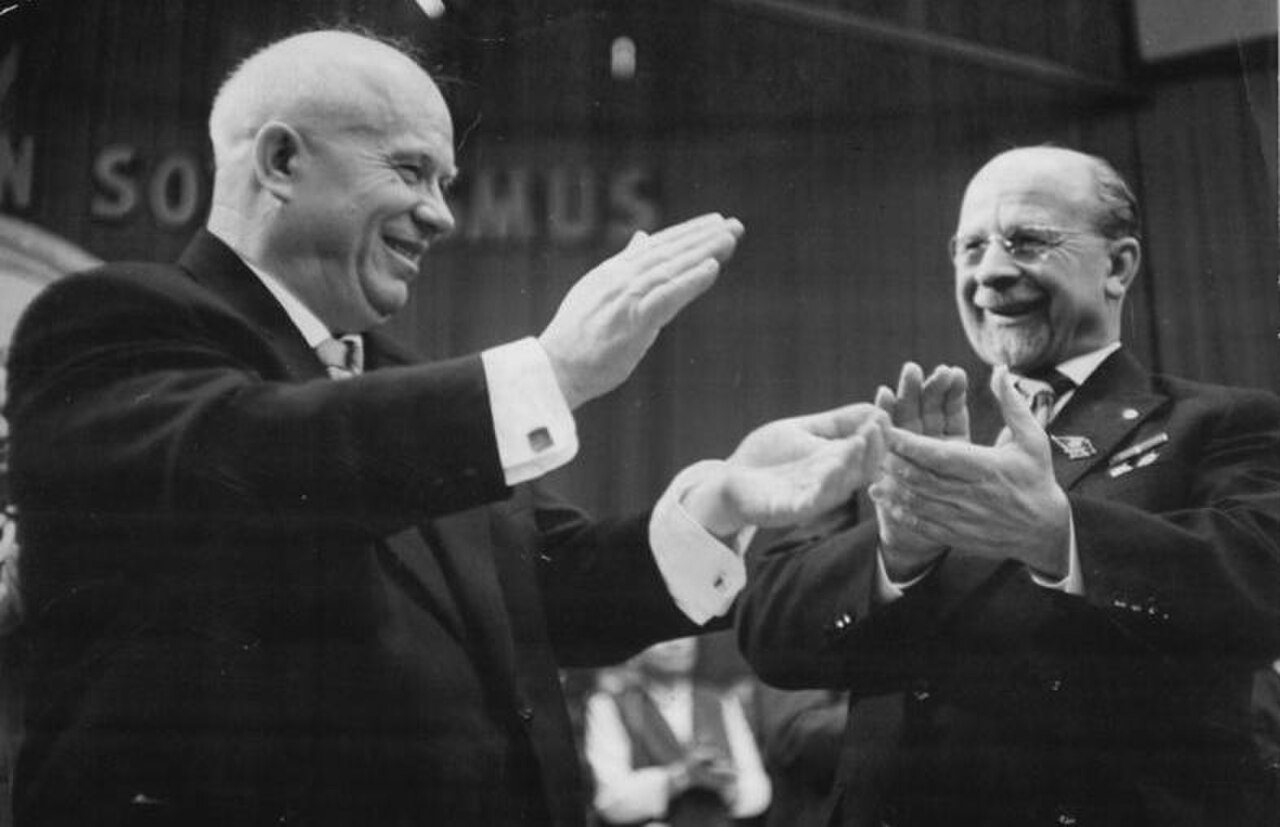
Khrushchev (left) and East German leader Walter Ulbricht, 1963
Khrushchev with Mao Zedong, 1958
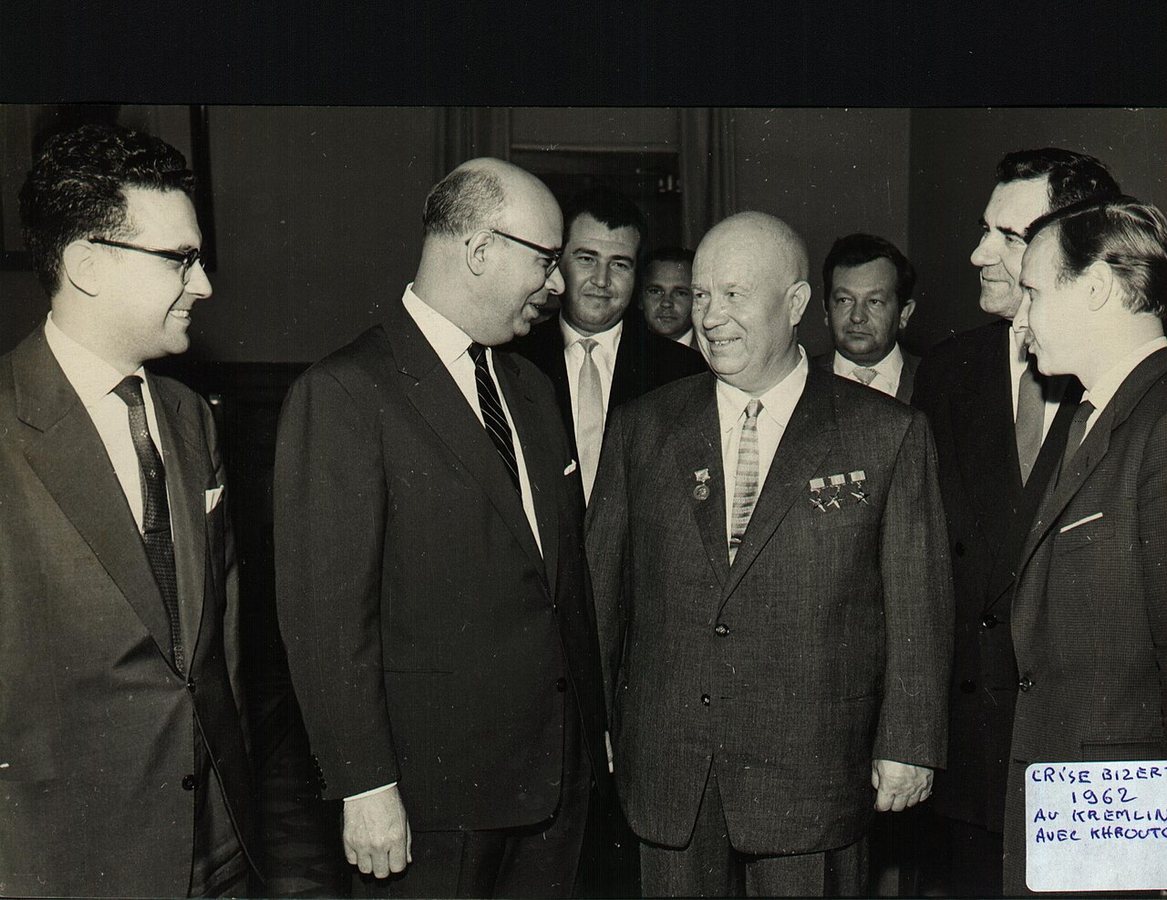
On 5 August 1961, Khrushchev and Foreign Minister Andrei Gromyko met Tunisia's Foreign Minister Sadok Mokaddem and Ambassador Ahmed Mestiri in the Kremlin to discuss Soviet support at the UN Security Council during the Bizerte crisis with France
A khrushchyovka building being destroyed in Moscow, January 2008
Decree of the Presidium of the Supreme Soviet on the transfer of the Crimean Oblast, under which Crimea was transferred from the Russian SFSR to the Ukrainian SSR in 1954
11 images

In 1956 Khrushchev delivered the Secret Speech, denouncing Stalin's purges and ushering in a less repressive era. Popular during the late 1950s after the launch of Sputnik, he was weakened by domestic failures and by the Cuban Missile Crisis. After his forced retirement he wrote memoirs, which were smuggled to the West and published in part in 1970.

In 125 languages

Редакція Factograf · Published October 14, 2026 · Partly based on Wikipedia, CC BY-SA 4.0 · Source article