
Muhammad Ali (born Cassius Marcellus Clay Jr.; 1942–2016) was an American professional boxer and activist who became a global cultural icon, widely known by the nickname "the Greatest". He is often regarded as the greatest heavyweight boxer of all time. He held the heavyweight title several times between 1964 and 1979, and in 1999 was named Sportsman of the Century by Sports Illustrated and Sports Personality of the Century by the BBC. Ali was also known for his outspoken political stance, particularly his refusal to be drafted during the Vietnam War.
Early life and amateur career


Born in Louisville, Kentucky, Ali was introduced to boxing at age 12 after a police officer and boxing coach encouraged him to learn to fight. He won many amateur titles and an Olympic light heavyweight gold medal at the 1960 Summer Olympics in Rome. He grew up amid racial segregation, an experience that shaped his later activism, and he was a dyslexic student whose early years were marked by the racism he witnessed.
Career and political stance

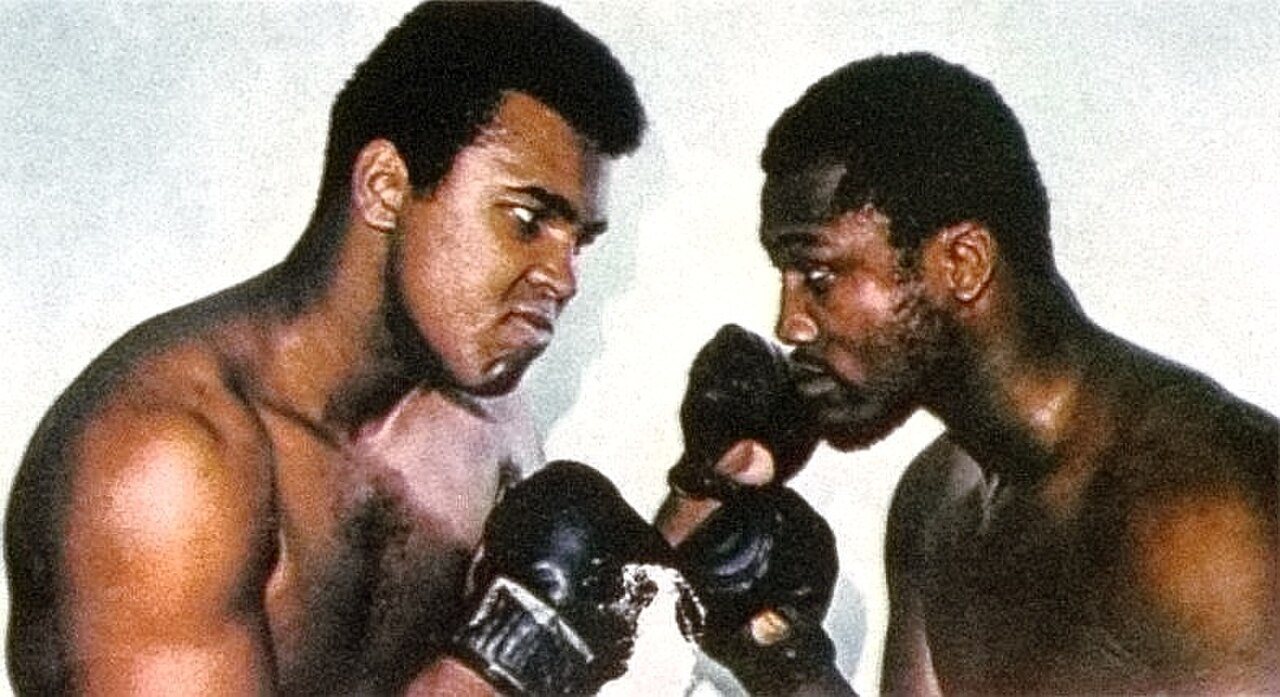
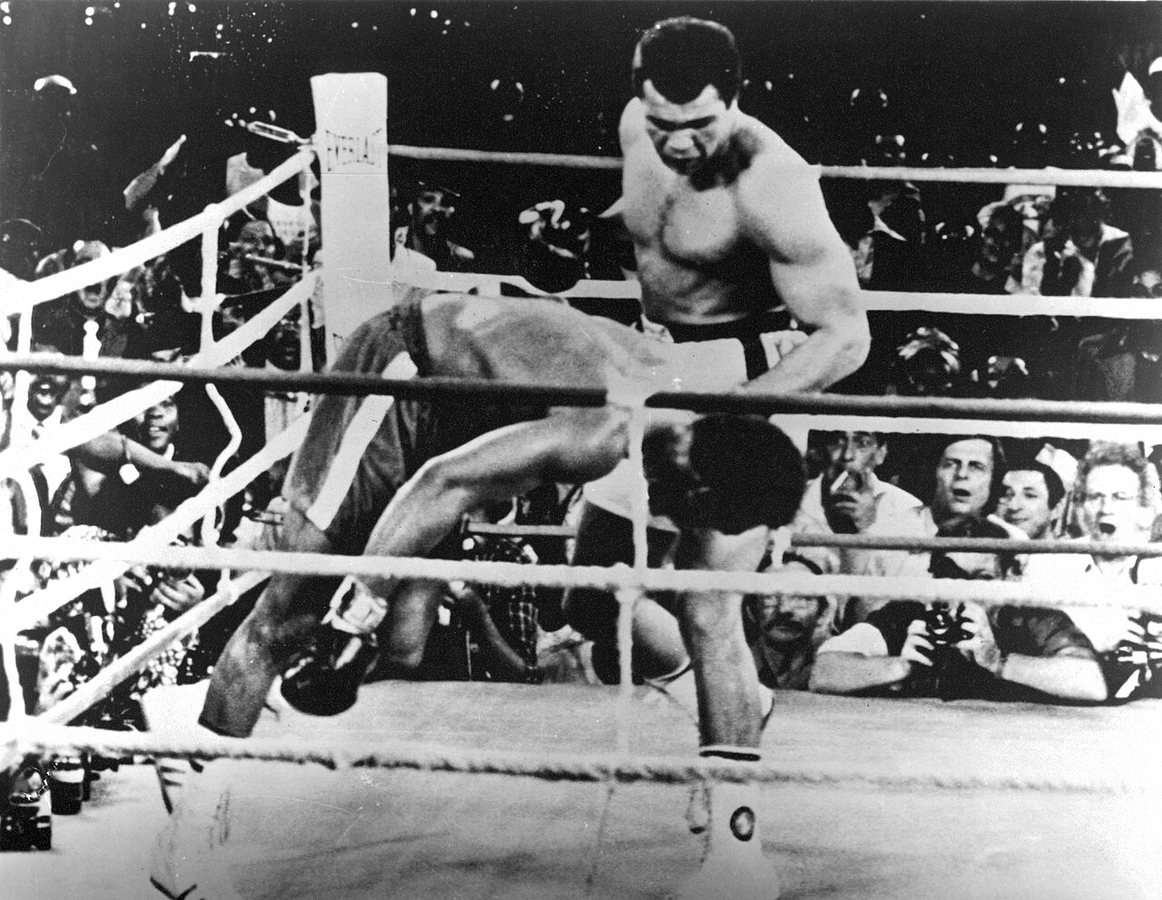


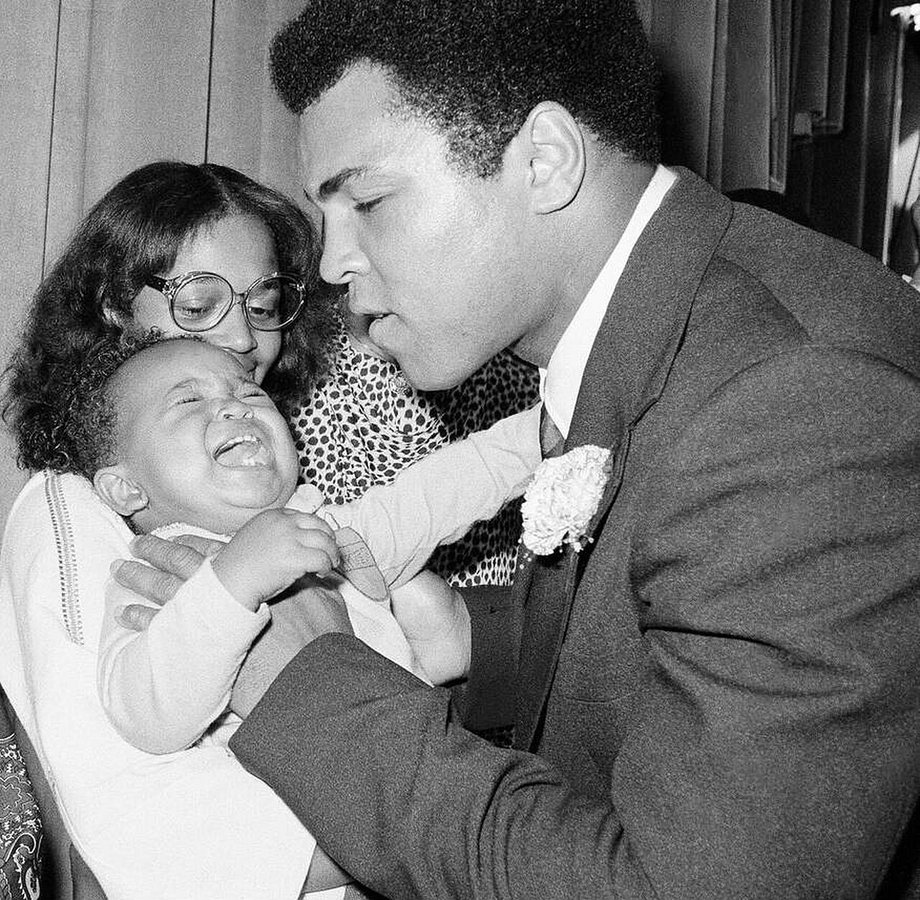

Ali turned professional in 1960 and won the world heavyweight championship in 1964, changing his name that year. In 1967 he refused military induction on religious and ethical grounds, was convicted of draft evasion and stripped of his titles. His conviction was overturned by the Supreme Court in 1971. His fights with Sonny Liston, Joe Frazier and George Foreman became highly publicized events, and his provocative style made him a figure of racial pride and of the counterculture.
Later years


Ali retired from boxing in 1981 and devoted himself to religion, philanthropy and activism. In 1984 he publicly disclosed his diagnosis of Parkinson's syndrome, which some attributed to boxing-related injuries, a claim he and his physicians disputed. He made fewer public appearances as his condition worsened and was cared for by his family until his death in 2016.