
The Mexican Revolution was an extended series of armed regional conflicts in Mexico from 1910 to 1920. Often described as the defining event of modern Mexican history, it destroyed the Federal Army, led to its replacement by a revolutionary army, and transformed Mexican culture and government. The northern Constitutionalist faction won on the battlefield and drafted the present-day Constitution of Mexico, which aimed to create a strong central government. Foreign powers with economic and strategic interests also influenced the outcome, and the conflict caused the deaths of around one million people, mostly non-combatants.
Background to the uprising


Porfirio Díaz governed Mexico for most of the period from 1876 to 1911, an era known as the Porfiriato. Elections under his rule were widely seen as rigged, and his policies favored foreign investment and wealthy landowners while peasants lost much of their communal land. Economic growth brought railways, factories and exports, but drought from 1907 to 1909 deepened discontent. Labor strikes at Cananea and Río Blanco reflected growing unrest. When Francisco I. Madero challenged Díaz in the 1910 election and was jailed, Madero called for an armed uprising, and rebellions spread first in Morelos and then widely across northern Mexico.
Civil war and new government


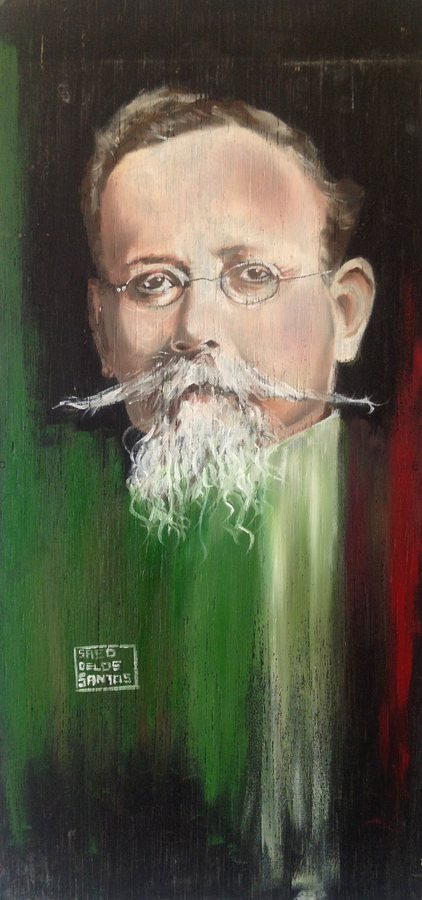


Díaz resigned in May 1911 and went into exile, and Madero took office that November. His government proved fragile, facing rebellion by Emiliano Zapata, who demanded agrarian reform. In February 1913, army generals led a coup in Mexico City, and Madero and Vice President Pino Suárez were killed on the orders of the new president, Victoriano Huerta. This began a bloodier phase in which northern forces under Venustiano Carranza opposed Huerta, and the Federal Army was defeated by 1914. The revolutionary factions then fought one another until Carranza's side prevailed by 1915.
Legacy of the Revolution


The Constitution of 1917 established universal male suffrage, secularism, workers' rights, economic nationalism and land reform, and it strengthened the federal government. From 1920 to 1940 revolutionary generals held the presidency, centralizing state power and bringing the military under civilian control. The party founded in 1929, later called the Institutional Revolutionary Party, governed Mexico until the 2000 presidential election. Historians disagree about when the Revolution formally ended, and later leaders have claimed its heritage.