
Archbishop Maximianus of Constantinople was a 5th-century prelate who served as the head of the church in Constantinople from 431 until his death in 434. Born in Rome to wealthy parents, he lived a monastic life and gained a reputation for holiness by personally funding the construction of tombs for holy men. Following the turmoil caused by the Council of Ephesus and the deposition of Nestorius, he was elected to his position by the clergy, the people, and the emperor.
Ecclesiastical career
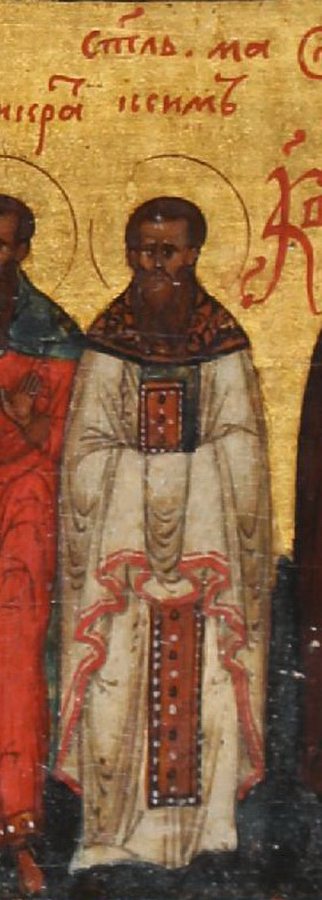
After being ordained a presbyter, Maximianus was chosen to lead the Constantinopolitan church during a period of significant division. He sought to maintain the theological principles of his predecessors, including John Chrysostom. His leadership was characterized by a dedicated effort to restore unity among Eastern churches after the Nestorian controversy, often appealing to both the emperor and other high-ranking bishops to facilitate reconciliation.
Legacy and veneration
Maximianus is recognized as a saint in several Christian traditions. He maintained a close relationship with Cyril of Alexandria, though he frequently urged the latter to ease certain theological restrictions to aid in church reunion. While many of his writings are lost, his surviving correspondence with Cyril highlights his commitment to peace within the early Christian community.