
Malala Yousafzai (born 12 July 1997) is a Pakistani education activist and film and television producer. She received the Nobel Peace Prize in 2014 at the age of 17, the youngest laureate in history, and is the second Pakistani and the only Pashtun to receive a Nobel Prize. She campaigns for the education of women and children in her native Swat district, where the Pakistani Taliban had at times banned girls from attending school. Her advocacy has grown into an international movement.
Early life and blogging


Yousafzai was born in Swat District in Khyber Pakhtunkhwa province to a Pashtun family. Her father, Ziauddin Yousafzai, was an educator who ran a chain of private schools and encouraged her interest in politics. In 2008 and 2009, when Taliban militants were taking over Swat and restricting girls' schooling, she began writing an anonymous blog for the BBC Urdu website describing her life under their rule. Her blog and a later New York Times documentary brought her wider attention.
Assassination attempt and advocacy
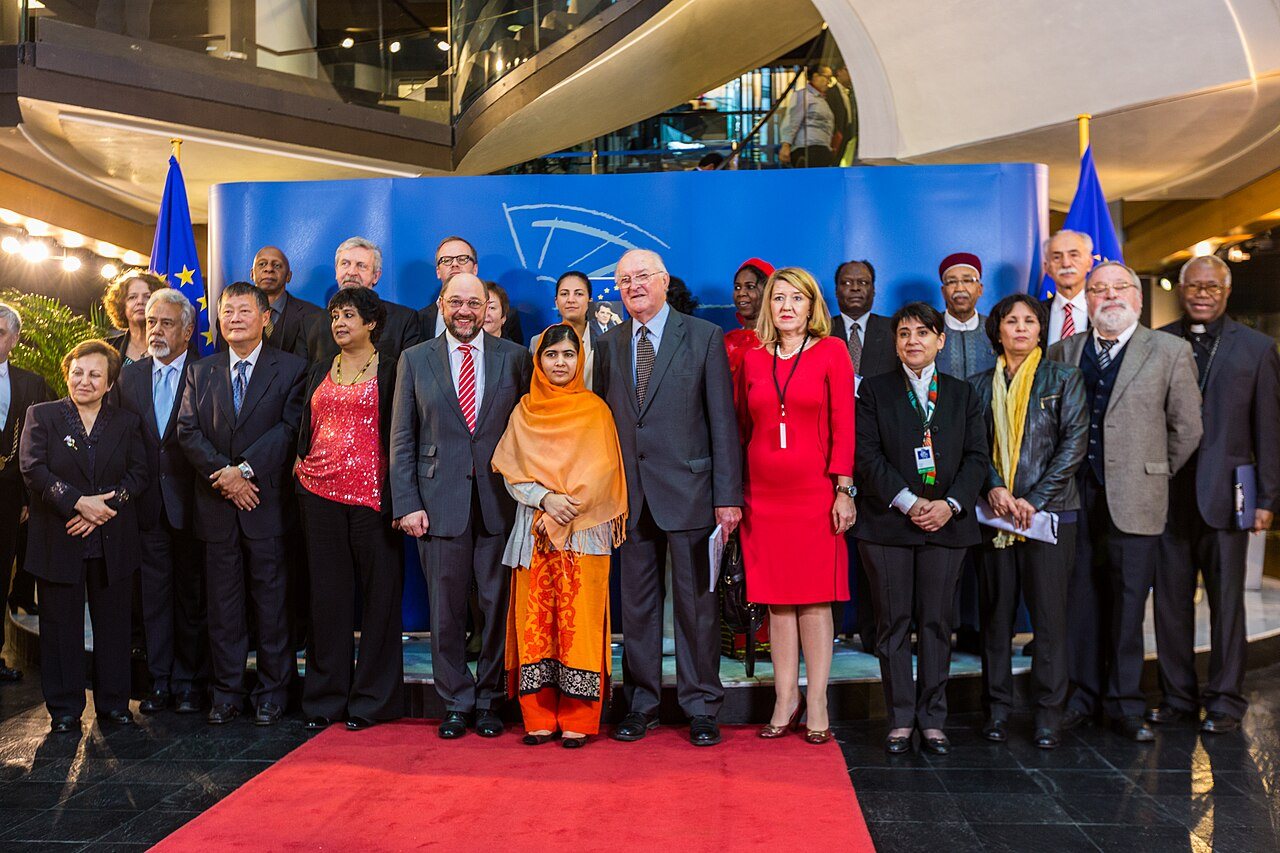
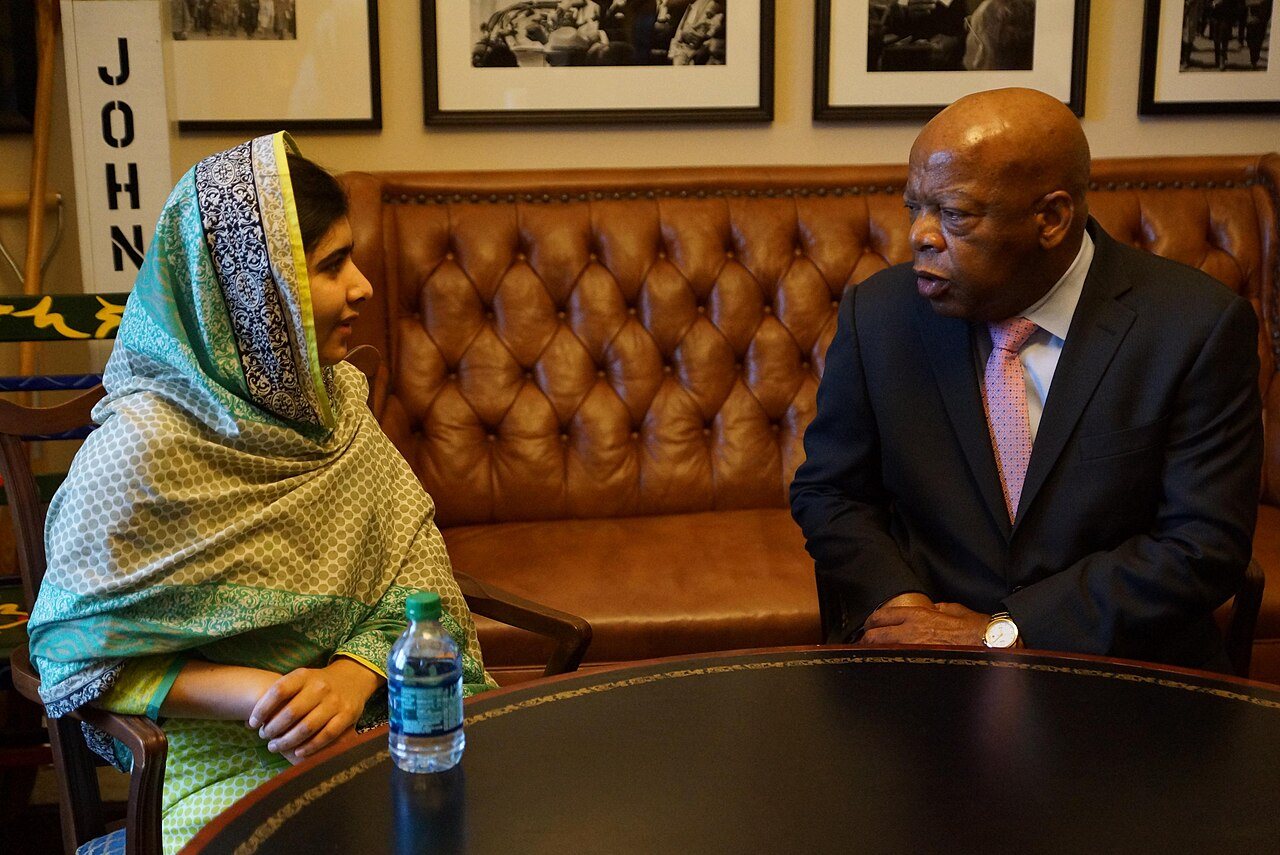


On 9 October 2012, while travelling on a bus in Swat after an exam, Yousafzai and two other girls were shot by a Taliban gunman. She was seriously wounded and was later treated in the United Kingdom. The attack prompted an international outpouring of support and condemnation from governments and rights groups. After her recovery, she co-founded the Malala Fund with Shiza Shahid to promote the right to education, and she co-authored the memoir I Am Malala, which became an international bestseller.
Recognition and studies


Yousafzai received the Sakharov Prize in 2013 and shared the 2014 Nobel Peace Prize with Kailash Satyarthi of India. She completed secondary school at Edgbaston High School in Birmingham and later studied Philosophy, Politics and Economics at Lady Margaret Hall, Oxford, graduating in 2020. In 2023 she became an Honorary Fellow of Linacre College, Oxford. Her work has been recognised by Forbes and Time magazine, and she was granted honorary Canadian citizenship in 2017.