
Madrid is the capital and largest city of Spain, located in the central part of the Iberian Peninsula on the River Manzanares at about 660 metres above sea level. It had a population of over 3.4 million in the city proper in 2025 and roughly 6.8 million in its metropolitan area, making it the second-largest city in the European Union after Berlin. As the seat of both the national government and the autonomous community of Madrid, it is the political, economic and cultural centre of the country.
Early history
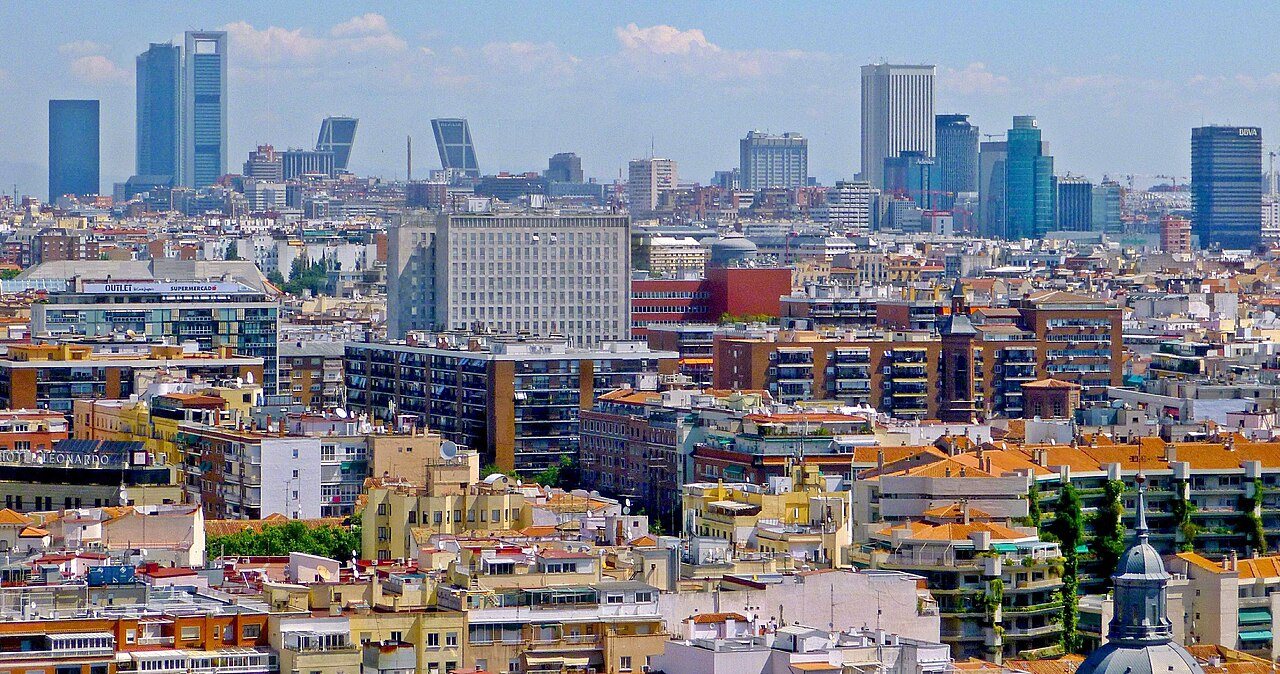


The site has been inhabited since prehistoric times. A walled military outpost was founded under the Emirate of Córdoba in the late 9th century, and Christian forces seized the town in 1083 or 1085. It grew into a sizeable town of the Crown of Castile during the Late Middle Ages, and its status rose sharply after 1561, when it became the permanent seat of the court of the Hispanic Monarchy.
Economy and institutions


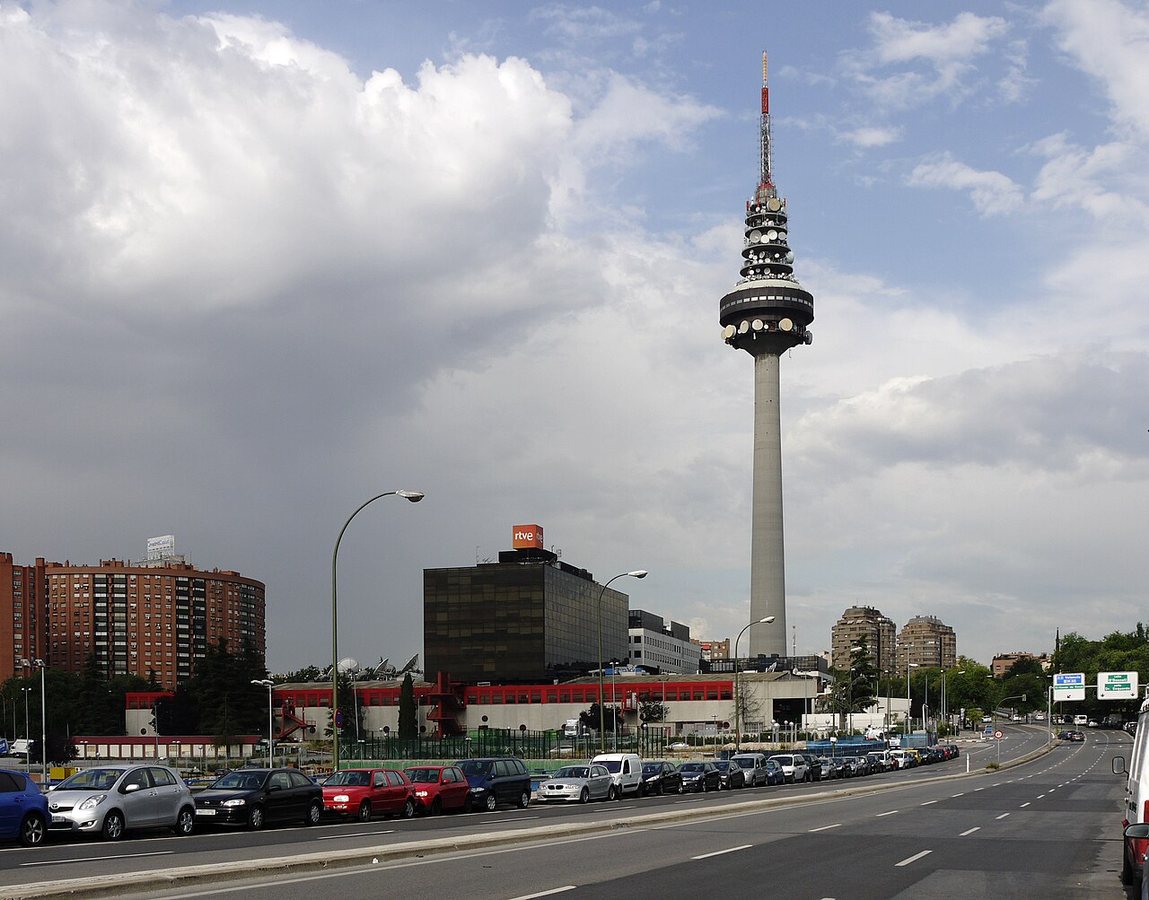
The Madrid urban area has the second-largest GDP in the European Union and is ranked as an alpha world city. Major Spanish companies such as Telefónica, Iberia, BBVA and FCC are based in the metropolitan area, which also hosts most of Spain's banking operations. The city is home to several international organisations, including UN Tourism and the Ibero-American General Secretariat, and to the Royal Spanish Academy, which guides Spanish linguistic standards.
Culture and landmarks


Madrid is one of Spain's leading destinations for international tourism, receiving nearly 5.8 million international visitors in 2023. Its landmarks include the Plaza Mayor, the Royal Palace and the Buen Retiro Park. Along the Paseo del Prado lies the UNESCO-listed Golden Triangle of Art, made up of the Prado Museum, the Reina Sofía Museum and the Thyssen-Bornemisza Museum. The city is also home to the football clubs Real Madrid and Atlético Madrid.