
Madagascar, officially the Republic of Madagascar, is an island country in the Indian Ocean off the southeastern coast of Africa. It includes the island of Madagascar and many smaller islands nearby. It is the fourth-largest island in the world and the second-largest island country, with Antananarivo as its capital and largest city. Because it separated from Africa and the Indian subcontinent long ago, its plants and animals evolved in isolation, and more than 90% of its wildlife is found nowhere else.
Early settlement


Madagascar was settled late in human history, with the first permanent inhabitants, Austronesian peoples, probably arriving by outrigger canoe from present-day Indonesia around the mid-first millennium CE. Bantu groups from East Africa joined them around the ninth century, and later arrivals added further layers to Malagasy culture. Today there are at least 18 recognized peoples, the largest being the Merina of the central highlands.
Kingdom and colonial rule


Until the late 18th century, the island was divided among shifting alliances. In the early 19th century, Merina nobles united most of it into the Kingdom of Madagascar. France annexed the island in 1897, ending the monarchy, and Madagascar gained independence in 1960. Since then it has gone through several constitutional periods and has been a constitutional democracy since 1992, though political crises, including a 2009 coup and a 2025 military takeover, have disrupted its governance.
Economy and society

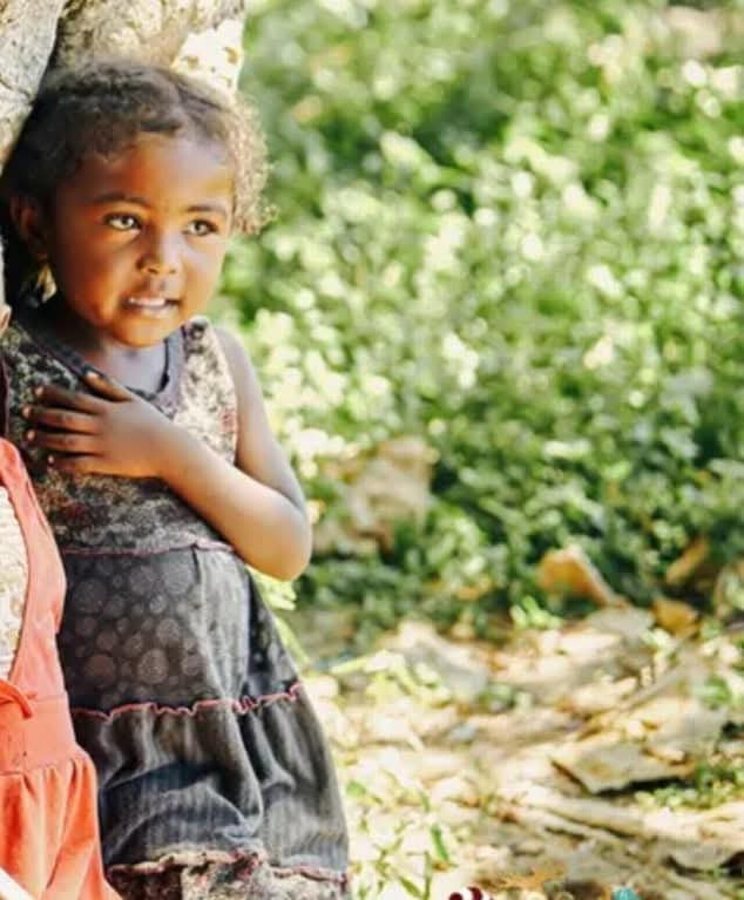


The United Nations classifies Madagascar as a least-developed country. Its development strategy emphasizes ecotourism, agriculture, education, health, and private enterprise. Economic growth since the early 2000s has not reduced income gaps, and most of the population lives with low quality of life, with 68.4% considered multidimensionally poor as of 2021. Malagasy and French are official languages, and Christianity is the predominant religion.