
Louis IX of France was a medieval monarch who ruled his kingdom from 1226 until his death in 1270. Born in Poissy, he ascended to the throne at age twelve under the regency of his mother, Blanche of Castile. He is recognized as the only French king to be canonized as a saint. His reign is noted for significant legal reforms and territorial expansion, though it ended during the Eighth Crusade in Tunis, where he died from dysentery.
Reign and reforms
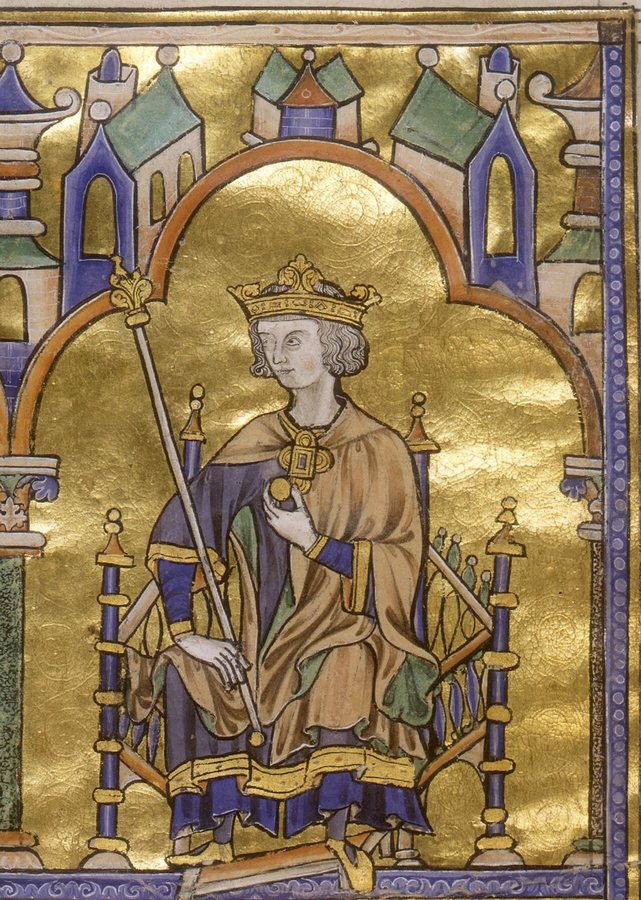

As a ruler, Louis IX transformed the French legal system by introducing the presumption of innocence and allowing citizens to appeal directly to the crown. He worked to end private warfare and replaced trials by ordeal with new administrative structures involving bailiffs and provosts. His leadership helped expand French territory into regions like Provence and parts of Aquitaine while strengthening central administrative institutions.
Religious life

Known for his deep piety, the king was often described as a monk-like ruler. He was a fervent supporter of Catholic orthodoxy and enforced strict religious laws. His commitment to his faith led him to lead two major crusades to the Holy Land and North Africa. During these military expeditions, he was once captured and later died in Tunis.
Veneration

Louis IX is venerated as a saint in both the Catholic and Anglican traditions. He is remembered as an ideal Christian monarch and a fair judge. His feast day is observed on 25 August in both traditions. He is buried in a location that serves as his final resting place following his death in 1270.