
London is the capital and largest city of England and the United Kingdom, with a population of 9.14 million in 2025. Its wider metropolitan area is the largest in Western Europe, with 15.4 million people. The city stands on the River Thames in southeast England and has been a major settlement for nearly 2,000 years, beginning as the Roman settlement Londinium. It is one of the world's major global cities, exerting strong influence on art, finance, education, media, tourism and transport.
Early history


The Romans founded the first major settlement around AD 47, four years after their invasion, and it quickly became the principal city of the province of Britannia. After Roman rule collapsed in the early 5th century, the settlement declined, then revived within the old walls after the Vikings were held back in the late 9th century. By the 11th century London was the largest town in England, and it became the main centre for foreign trade and defence.
Government and growth


After William the Conqueror was crowned at the newly completed Westminster Abbey in 1066, Westminster gradually developed into the seat of national government, while the neighbouring City of London remained the principal commercial centre under its own administration. London grew rapidly in the 19th century and became the world's largest city at that time. Since 1965 most of the metropolis has been administered as Greater London, governed by 33 local authorities and the Greater London Authority.
Culture and landmarks


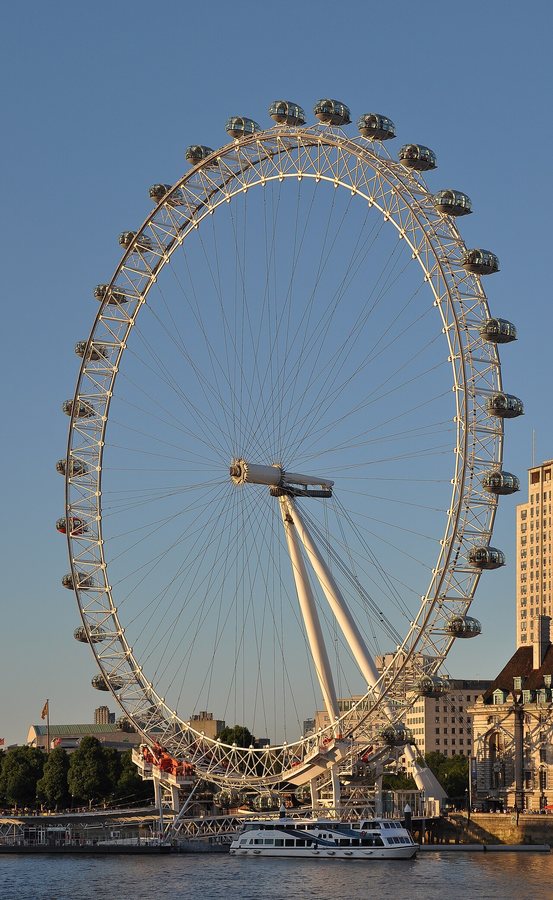
London hosts Europe's largest concentration of higher education institutions and has more museums, art galleries, libraries and cultural venues than any other UK city. Its landmarks include the Tower of London, Westminster Abbey, Buckingham Palace and Tower Bridge. The city is the most-visited in Europe and the first to host three Summer Olympic Games, in 1908, 1948 and 2012.