
Kyiv is the capital and most populous city of Ukraine, located in the north-central part of the country on both banks of the Dnieper River. With a population of 2,952,301 as of January 2022, it ranks as the seventh-most populous city in Europe. It is an important industrial, scientific, educational and cultural centre, home to high-tech industries, higher education institutions and historical landmarks, and it has an extensive public transport system that includes the Kyiv Metro.
Early history

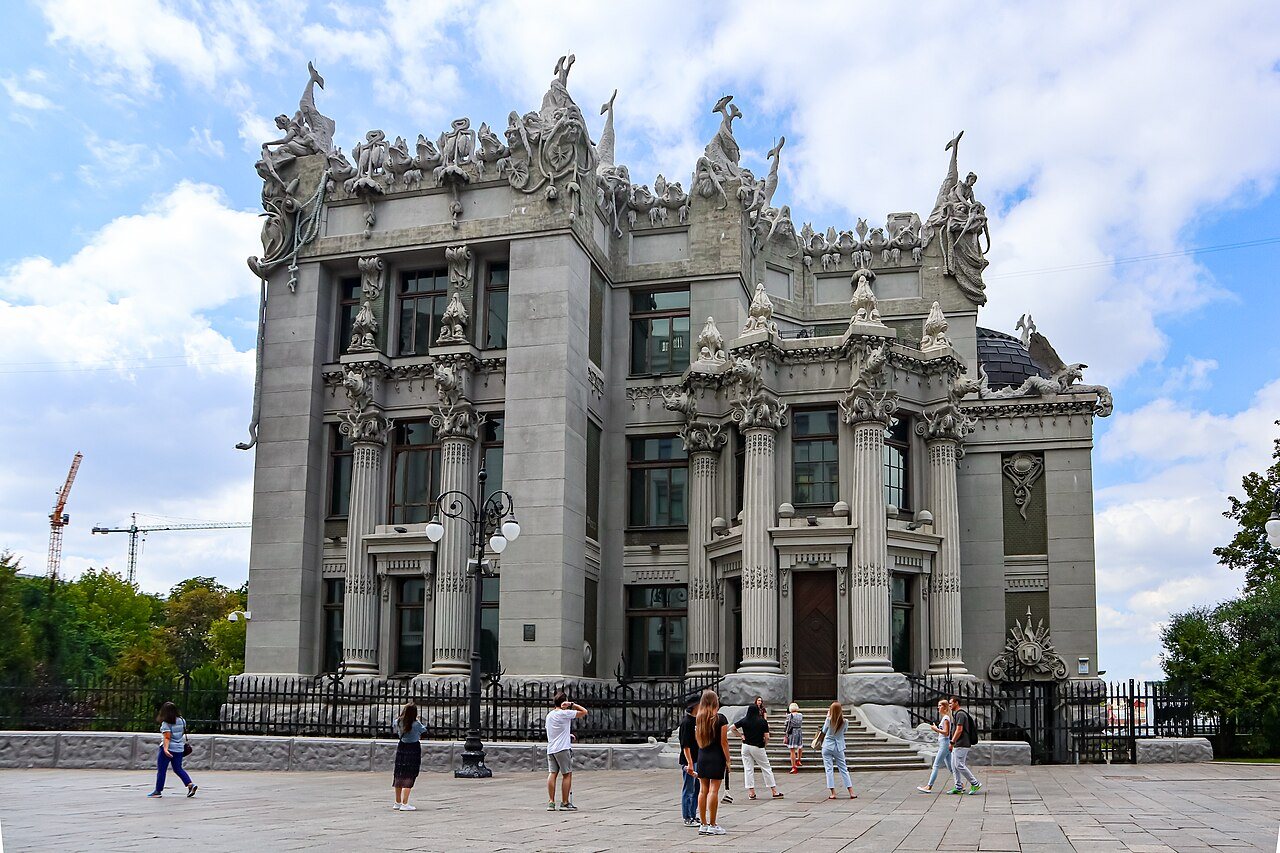


The city's name is traditionally linked to Kyi, one of its legendary founders, though scholars continue to debate when it was founded. Probably a commercial centre by the 5th century, it was a Slavic settlement on a major trade route between Scandinavia and Constantinople, paying tribute to the Khazars until Varangian capture in the mid-9th century. Under Varangian rule it became the capital of Kievan Rus', the first East Slavic state. After the Siege of Kiev in 1240 the city was left in ruins and lost most of its influence for centuries.
Modern development


Kyiv grew into a centre of Eastern Orthodox learning in the 16th century and prospered during the Russian Empire's late 19th-century industrialisation. It became the capital of the Ukrainian People's Republic in 1918 and, after Soviet victory in the wars that followed, the capital of the Ukrainian SSR in 1934. Heavily damaged in World War II, it recovered as the Soviet Union's third-largest city. Since Ukrainian independence in 1991 it has remained the country's largest and wealthiest city, with growth in the services and finance sectors.