
Justinian I was a Byzantine emperor who reigned from 527 to 565. Born around 482 in Tauresium, he rose from a peasant background to become a powerful ruler after being adopted by his uncle, Emperor Justin I. His ambitious reign focused on the renovatio imperii, an attempt to reclaim lost Western Roman territories, which resulted in the recovery of parts of Italy, North Africa, and southern Spain. A dedicated legislator and writer, he is most famously remembered for his massive legal reforms and his extensive building projects throughout the empire.
Life and rule


After serving as a member of the imperial bodyguard, Justinian was appointed co-emperor in 527 and became the sole ruler following his uncle's death. He was known for his tireless work ethic and his marriage to the influential Theodora. His military campaigns, led by generals such as Belisarius and Narses, successfully re-established Roman control over much of the Mediterranean. Despite facing internal challenges like the Nika riots and the plague, he maintained a highly active administration.
Legal and cultural legacy
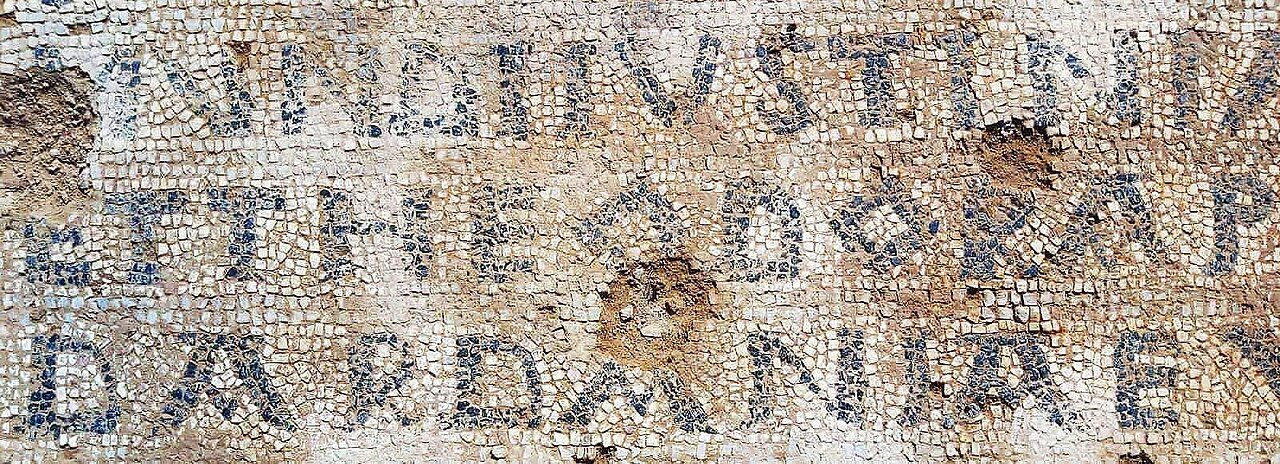
Justinian's most enduring achievement was the compilation of the Corpus Juris Civilis, a uniform rewriting of Roman law that serves as a foundation for many modern legal systems. His reign also fostered a significant cultural flowering, most notably through the construction of monumental architecture such as the Hagia Sophia. He was deeply involved in theological debates and was a supporter of Chalcedonian Christianity.
Veneration

Recognized as a saint, Justinian is commemorated in several Christian traditions, including the Catholic, Orthodox, and Lutheran churches. His feast day is observed on 14 November, the date of his death in Constantinople. He is remembered as a pious ruler who sought to unify both the legal and religious structures of his empire.