factograf
EN
Sign in

politician and leader of the Union of Soviet Socialist Republics from 1924 to 1953

Joseph Stalin

Joseph Stalin

Joseph Stalin (born Ioseb Besarionis dze Jughashvili) was a Soviet politician and revolutionary who led the Soviet Union from 1922 until his death in 1953. He served as General Secretary of the Communist Party from 1922 to 1952 and as the nation's Premier from 1941 to 1953. Starting within an oligarchic one-party system, he became the de facto dictator of the country by the 1930s. His policies came to be known as Stalinism, and he is widely considered one of the most significant figures of the 20th century, though his regime is also widely condemned for mass repression and the deaths of millions.

Early revolutionary career

Cropped 1943 photograph of Stalin
Joseph Stalin, circa 1942, closely cropped
First issue of Pravda, of which Stalin served as an early editor
Stalin in 1917 as a young People's Commissar
Stalin in 1920
Stalin in 1920
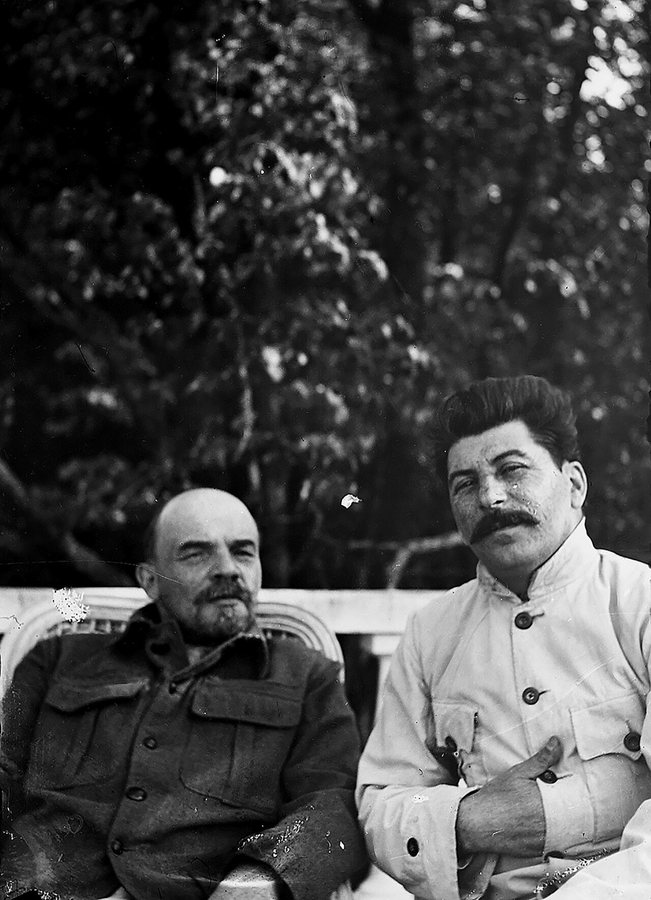
Stalin visiting Lenin at the Gorki dacha, just outside Moscow, September 1922
Stalin, Alexei Rykov, Lev Kamenev and Grigory Zinoviev in 1925; the last three later fell out with Stalin and were executed during the Great Purge
Stalin with close associates Anastas Mikoyan and Sergo Ordzhonikidze in Tbilisi, 1925
Aleksei Stakhanov with a fellow miner; Stalin's government started the Stakhanovite movement to encourage hard work
1931 demolition of the Cathedral of Christ the Saviour in Moscow to make way for the planned Palace of the Soviets
Areas affected by the Soviet famine of 1932 to 1933
Review of Soviet armoured vehicles used to equip the Republican Army during the Spanish Civil War
12 images

Born into a poor Georgian family in Gori, in the Russian Empire, Stalin joined the Marxist Russian Social Democratic Labour Party as a young man. He edited the party newspaper Pravda and raised funds for Vladimir Lenin's Bolshevik faction through robberies, kidnappings and protection rackets. He was arrested several times and spent years in internal exile before the Bolsheviks seized power in the 1917 October Revolution, after which he joined the governing Politburo.

Rule and the Great Purge

Exhumed mass grave of the Vinnytsia massacre, 1943
Memorial to a victim of the Great Purge at the Bykivnia mass grave
Stalin greeting German foreign minister Joachim von Ribbentrop at the Kremlin, August 1939
With all the men at the front, women dig anti-tank trenches around Moscow in 1941
The centre of Stalingrad after its liberation, February 1943
The Big Three: Stalin, US President Franklin D. Roosevelt and British Prime Minister Winston Churchill at the Tehran Conference, November 1943
Soviet soldiers in Polotsk, July 1944
British Prime Minister Clement Attlee, US President Harry S. Truman and Stalin at the Potsdam Conference, July 1945
Banner of Stalin in Budapest in 1949
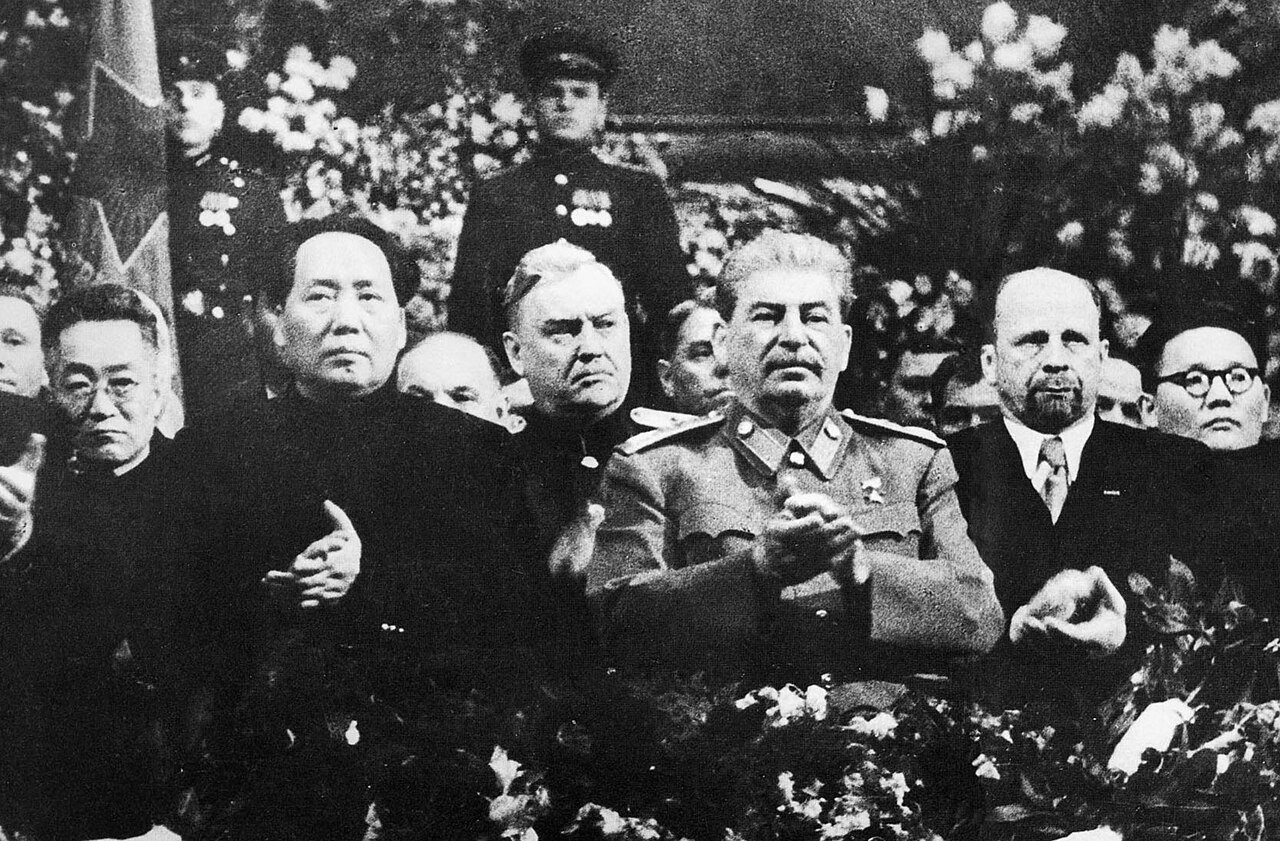
Stalin at his 71st birthday celebration with Mao Zedong, Nikolai Bulganin, Walter Ulbricht and Yumjaagiin Tsedenbal, Moscow, December 1949
1950 Chinese stamp showing Stalin and Mao shaking hands, commemorating the new Sino-Soviet Treaty
11 images

After Lenin died in 1924, Stalin assumed leadership of the country. His rule saw the replacement of the New Economic Policy with a centralized command economy, along with collectivisation and rapid industrialization. These changes disrupted food production and contributed to the famine of 1932 to 1933. To eliminate those regarded as enemies of the working class, he launched the Great Purge, in which over a million people were imprisoned and at least 700,000 executed between 1934 and 1939.

Legacy

Decree dated 20 January 1953 awarding Lydia Timashuk the Order of Lenin for unmasking doctors-killers; revoked after Stalin's death later that year
Stalin's funeral procession on Okhotny Ryad
Mourning parade in honour of Stalin in Dresden, East Germany, 1953
Lavrentiy Beria with Stalin's daughter Svetlana on his lap, with Stalin and Nestor Lakoba in the background, 1931
Stalin in 1937
Stalin in 1937
Stalin reading a newspaper, 1920
Stalin carrying his daughter Svetlana in 1935
Statue of Stalin in East Berlin, 1951; it was removed in 1961 as part of de-Stalinisation
Supporters of the Communist Party of Great Britain carrying a banner of Stalin at a May Day march in London, 2008
Interior of the Gulag Museum in Moscow
Marxist–Leninist activists from the Communist Party of the Russian Federation laying wreaths at Stalin's Moscow grave in 2009
11 images

Stalin's government supported anti-fascist movements abroad and signed a non-aggression pact with Nazi Germany in 1939. After Germany invaded the Soviet Union in 1941, Soviet forces captured Berlin in 1945, and the country emerged from the Second World War as one of two superpowers. Nikita Khrushchev succeeded him after his death and began a process of de-Stalinisation. Since 1991, Stalin has remained popular in Russia as a wartime leader, while his regime is widely condemned for mass repression and ethnic cleansing.

In 205 languages

EnglishČeštinaDeutschEspañolFrançaisItaliano日本語PolskiPortuguêsРусскийУкраїнська中文AbkhazianAdygheAfrikaansShqipአማርኛOld EnglishAngikaAragoneseAramaicالعربيةMoroccan ArabicEgyptian ArabicAsturianuঅসমীয়াKotavaAwadhiAymaraAzbAzərbaycanBalineseBavarianbat-smgБашҡортBikolБеларускаяБългарскиBhojpuriবাংলাBrezhonegBosanskiBtmБуряадCatalàCdoCebuanoНохчийнکوردیی ناوەندیCorsicanCrimean TatarKashubianЧӑваш чӗлхиCymraegDanskZazaDolnoserbšćinaΕλληνικάEmlEsperantoEestiEuskaraExtremaduranفارسیfiu-vroSuomiFøroysktNorthern FrisianFurlanFryskGan ChineseGaeilgeGcrGàidhligGalegoGuaraniकोंकणीગુજરાતીGaelgHakka ChineseHausaעבריתFiji Hindiहिन्दीHrvatskiHornjoserbšćinaHaitian CreoleMagyarՀայերենHywInterlinguaIbanBahasa IndonesiaIgboIlokoIdoIsvÍslenskaInuktitutJamaican Creole EnglishLojbanJawaKara-KalpakTaqbaylitქართულიKbpҚазақшаខ្មែរKanuriಕನ್ನಡ한국어کٲشُرKurdî (kurmancî)KomiKernewekКыргызчаLadinoLatinLëtzebuergeschLezghianLingua Franca NovaLimburgishLombardລາວLietuviųLatviešuMadureseमैथिलीMokshaMalagasyМакедонскиമലയാളംМонголमराठीMelayuMaltiMirandeseမြန်မာمازرونیNahNeapolitanNeddersass’sch (Nedderlannen)Neddersass’schनेपालीNewariNederlandsNorsk nynorskNorskߒߞߏOccitanOloИронPapiamentoਪੰਜਾਬੀPiemontèisWestern PanjabiپښتوRunasimiRomânăRusynСаха тылаᱥᱟᱱᱛᱟᱲᱤसंस्कृत भाषाSicilianuScotsSarduسنڌيSrpski (latinica)සිංහලSlovenčinaSlovenščinaSoomaaliShqipСрпскиSesothoSvenskaKiswahiliŚlōnskiSzyதமிழ்తెలుగుТоҷикӣไทยFilipinoTalyshToki ponaTürkçeТатарТываئۇيغۇرچەاردوO‘zbekVenetoVepsTiếng ViệtVolapükWarayWalloonWu ChineseMingrelianייִדישÈdè YorùbáVahcuenghzh-yueIsiZulu

Редакція Factograf · Published October 14, 2026 · Partly based on Wikipedia, CC BY-SA 4.0 · Source article