
John of the Cross was a 16th-century Spanish priest, poet, and mystic who played a central role in the Counter-Reformation. A member of the Carmelite Order, he worked closely with Teresa of Ávila to establish the Discalced Carmelites, a group dedicated to returning to the original, stricter rules of their order. He is widely celebrated for his profound literary contributions, specifically his poetry and theological studies regarding the soul's journey toward God. Recognized as a Doctor of the Church, he remains a significant figure in Catholic spiritual tradition.
Life and reform

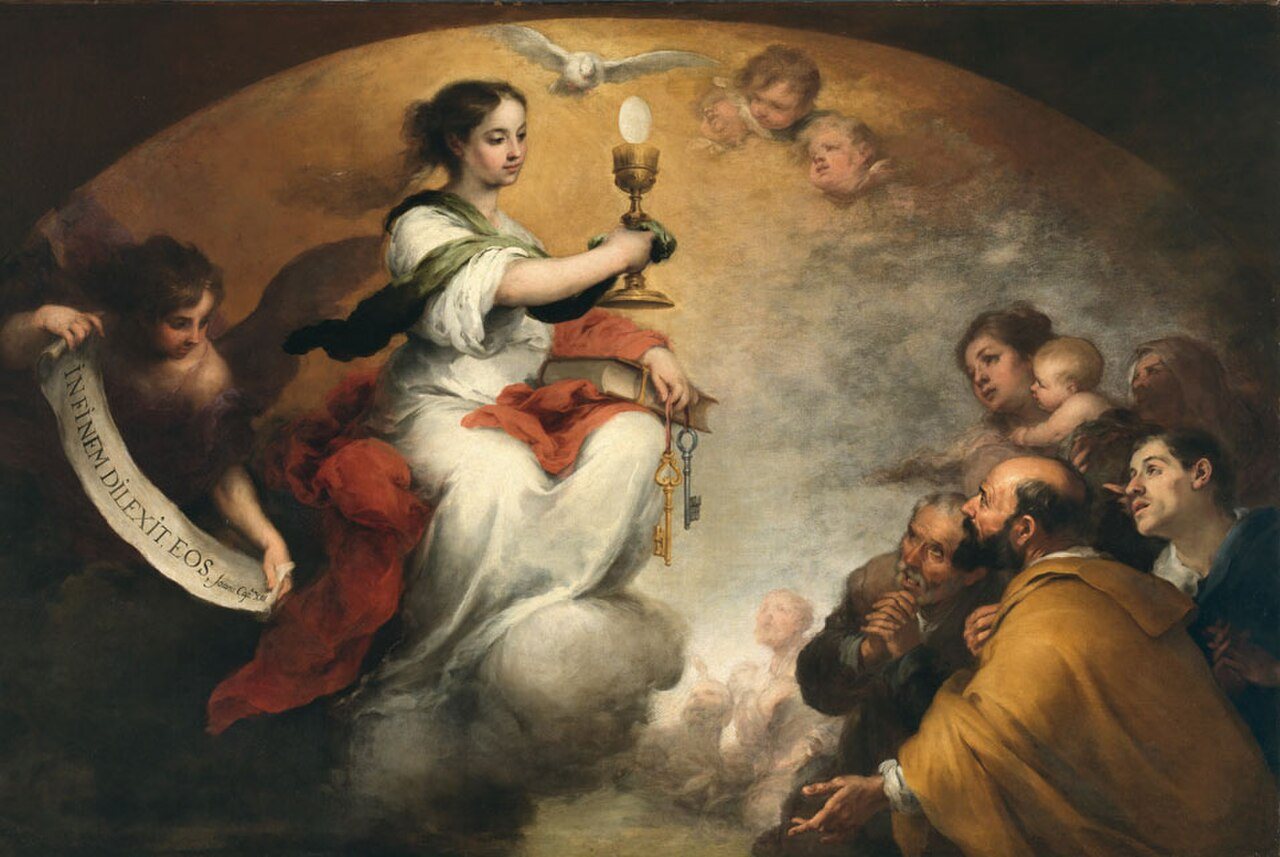
Born in Fontiveros, John grew up in a poor family before studying at Salamanca University. After joining the Carmelites, he met Teresa of Ávila, who inspired him to pursue a more rigorous religious life. He helped found the Discalced Carmelites, emphasizing solitude, silence, and strict fasting. He served as a spiritual director for many, including Teresa herself, and adopted his famous name during the establishment of a new monastery in 1568.
Literary legacy

His writings are considered masterpieces of both Spanish literature and Christian mysticism. He developed a spiritual framework involving the purgative, illuminative, and unitive ways, often describing these stages through the concept of the dark nights. His poetic works and theological treatises continue to influence spiritual practice, providing a detailed map of the soul's progression toward divine union.
Veneration

John was canonized in 1726 and later named a Doctor of the Church in 1926. He is honored in the Catholic, Anglican, and Lutheran traditions, with his feast day observed on December 14. His spiritual influence is reflected in various artistic works, including a famous drawing of Christ inspired by a vision he experienced in Ávila.