
John of Damascus was a prominent Christian monk, priest, and theologian who lived during the Umayyad Caliphate. Born in Damascus around 675 or 676, he became a highly influential figure known as the golden speaker for his eloquence. He is often regarded as the last of the Greek Fathers. His extensive writings covered diverse subjects, including philosophy, astronomy, and theology, and he is recognized as a Doctor of the Catholic Church for his profound intellectual contributions to the faith.
Life and works


John of Damascus was a prolific writer and composer who contributed significantly to Eastern liturgy through his hymns. He is widely remembered for his defense of the use of icons and his theological developments, such as the concept of perichoresis. Additionally, his writings addressed the Assumption of Mary. He spent his later years at the Holy Lavra of Saint Sabbas, near Jerusalem, where he died in 749.
Veneration and legacy
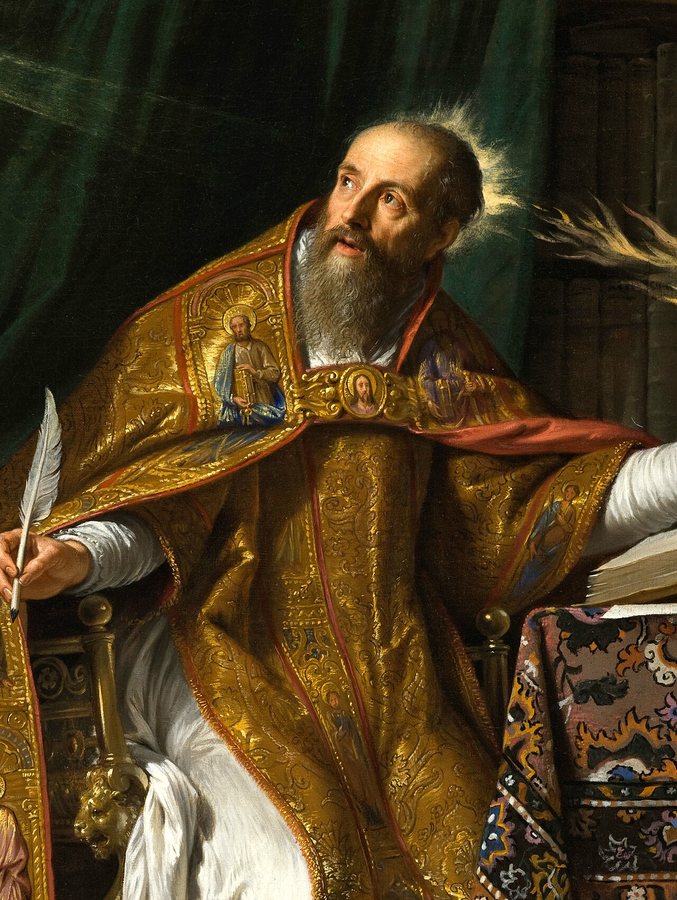
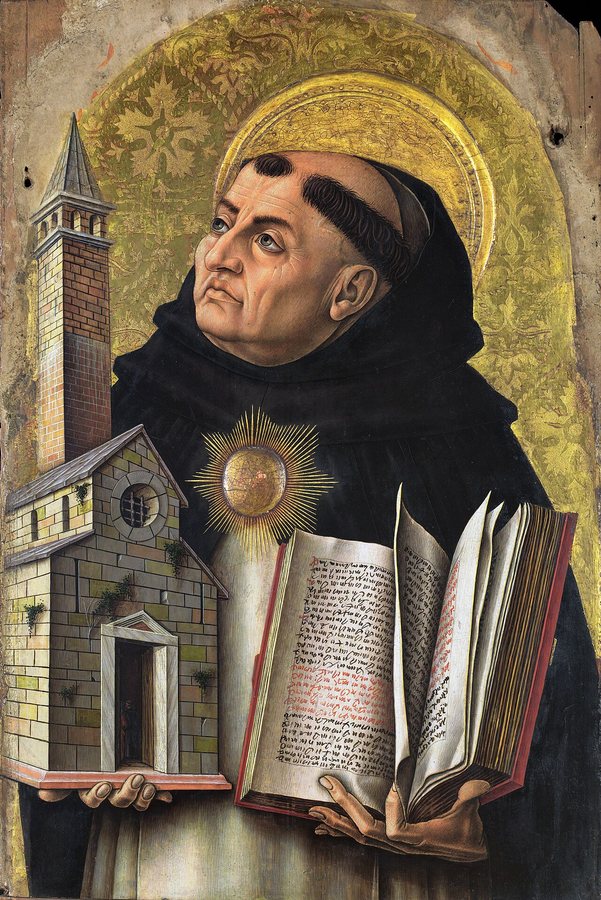
As a saint, he is honored in several traditions, including Catholic, Orthodox, Anglican, and Oriental churches. His musical compositions remain influential, with some of his hymns being utilized in Lutheran Easter rites. He is commemorated on 4 December, the date marking his death at the monastery of Mar Saba.