
John Cassian was a 4th-century monk and theologian who played a vital role in introducing Egyptian monastic traditions to the Western Church. Born in Scythia Minor, he spent many years living in the desert communities of Palestine and Egypt. After fleeing theological disputes in Alexandria, he eventually settled in Marseille, where he established the Abbey of Saint Victor. His writings, which focused on the spiritual discipline and organization of monastic life, significantly influenced the development of Western monasticism and provided a foundation for the Rule of Saint Benedict.
Life and work


After studying in a bilingual environment, Cassian traveled to the Holy Land and later to the Egyptian desert to study under ascetic elders. He was involved in theological conflicts in Alexandria, which led him to seek refuge in Constantinople. Following his time in Rome, he moved to Gaul to found a monastic complex for men and women. His major works, the Institutes and the Conferences, codified the wisdom of the Desert Fathers for a Western audience.
Legacy

The spiritual principles Cassian documented became essential to Western monasticism. His emphasis on overcoming vices and the stages of spiritual growth influenced Benedict of Nursia, who integrated these ideas into his own rule. Because of this connection, Cassian's thought continues to impact the lives of many monks and nuns in the Latin Church today.
Veneration
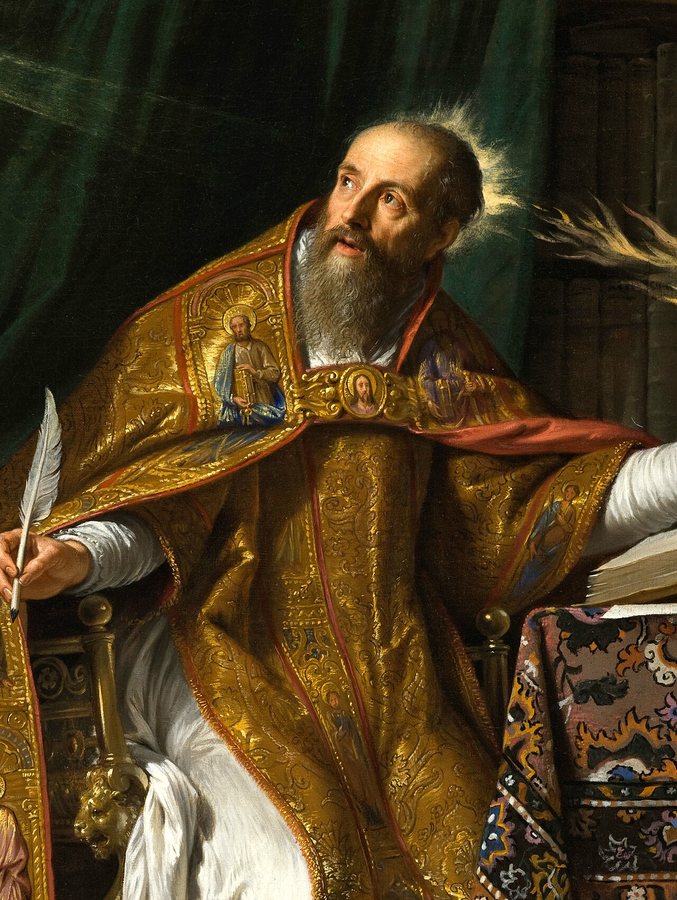
Recognized as a saint, he is commemorated in the Anglican, Catholic, and Orthodox traditions. His feast day is observed on July 23.