
John Bunyan was a 17th-century English writer, theologian, and preacher who was born in Elstow. After serving in the Parliamentary Army at the age of sixteen, he worked as a tinker before joining the Bedford Meeting, a nonconformist group. Due to his religious activities, he spent twelve years in prison. During his period of incarceration, he produced significant literary works, most notably his spiritual autobiography and his famous allegory, which remains a landmark of English literature.
Life and work
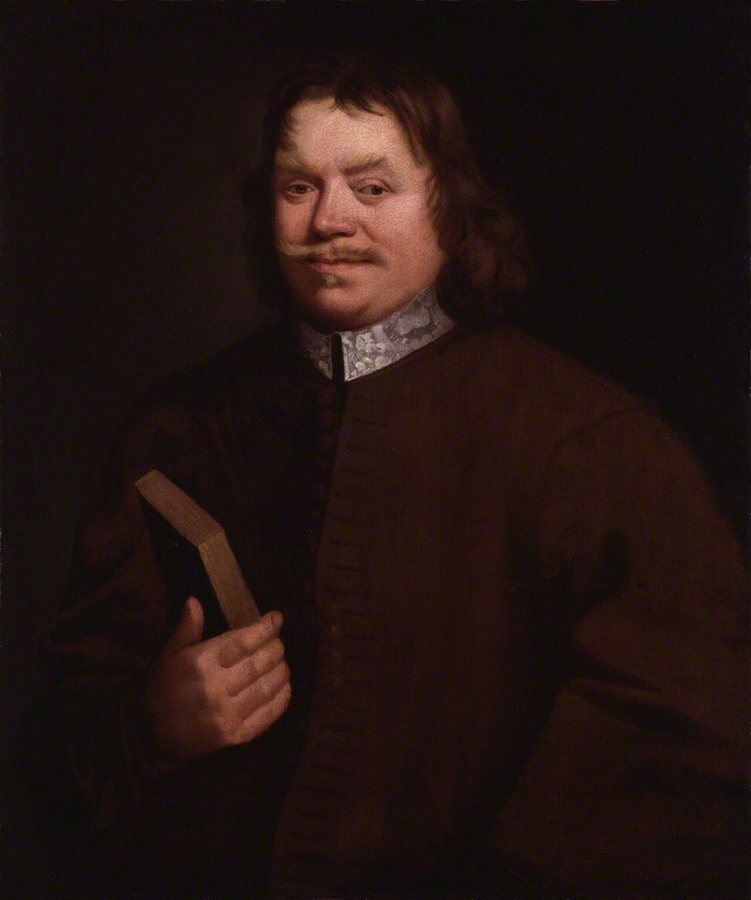

Born in 1628, Bunyan spent much of his life navigating the religious tensions of the Kingdom of England. Following his time as a soldier, he practiced as a tinker in Elstow. His commitment to nonconformist preaching led to a lengthy imprisonment. While held in custody, he composed Grace Abounding and the celebrated allegorical novel The Pilgrim's Progress, works that reflect his deep theological convictions.
Death and memory


Bunyan died in London in 1688 at the age of 59 and was laid to rest in Bunhill Fields. He is commemorated within the Anglican tradition, with the Church of England observing a lesser festival on 30 August and the wider Anglican Communion celebrating him on 31 August.