factograf
EN
Sign in

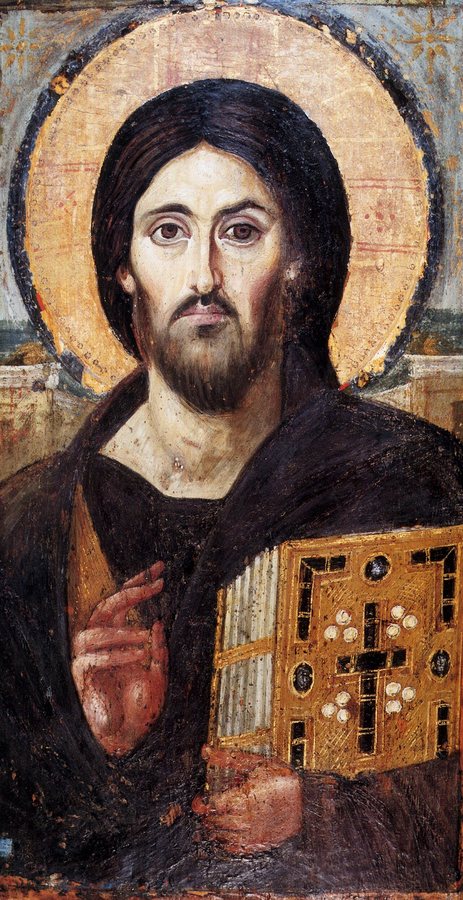
central figure of Christianity (c. 6 or 4 BC – AD 30 or 33)

Jesus

Jesus

Jesus, also known as Jesus Christ or Jesus of Nazareth, was a Jewish preacher and religious leader active in the Roman province of Judaea in the 1st century. He is the central figure of Christianity, the world's largest religion. Most Christian branches regard him as the incarnation of God the Son and the awaited Messiah. Accounts of his life are found mainly in the four canonical Gospels, and although scholars disagree about how closely these reflect the historical figure, nearly all modern historians of antiquity agree that he existed.

Life and ministry

Gaudenzio Ferrari, Stories of Christ, Varallo
A 3rd-century Greek papyrus of the Gospel of Luke
Adoration of the Shepherds by Gerard van Honthorst, 1622
The Circumcision by Giovanni Bellini, c. 1500, showing the circumcision of Jesus
The Finding of the Saviour in the Temple by William Holman Hunt, 1860
The Baptism of Christ by John the Baptist, by Almeida Júnior, 1895
Jesus and the Devil in The Temptation of Christ, by Ary Scheffer, 1854
Sermon on the Mount by Carl Bloch, 1877, depicting Jesus's important discourse
The Exhortation to the Apostles by James Tissot, showing Jesus speaking to his twelve disciples
Jesus and the rich young man by Heinrich Hofmann, 1889
The Return of the Prodigal Son by Pompeo Batoni, 1773
Jesus cleansing a leper, medieval mosaic from Monreale Cathedral, late 12th to mid-13th centuries
12 images

According to the Gospels and the Acts of the Apostles, Jesus was circumcised as an infant and presented at the Temple in Jerusalem. As a young adult he was baptized by John the Baptist, then began a public ministry as an itinerant teacher. He debated with other Jews, especially Pharisees and Sadducees, about how to follow God, performed healings, taught in parables and gathered followers, twelve of whom he named apostles.

Death and resurrection

The Transfiguration of Jesus, depicted by Carl Bloch, 19th century
Painting of Jesus's final entry into Jerusalem by Jean-Léon Gérôme, 1897
The Last Supper, depicted by Juan de Juanes, c. 1562
Kiss of Judas and arrest of Jesus, by Caravaggio, c. 1602
Ecce homo! Antonio Ciseri's 1871 depiction of Pontius Pilate presenting Jesus to the public
Diego Velázquez's depiction of the Crucifixion, c. 1632
Appearance of Jesus Christ to Mary Magdalene by Alexander Andreyevich Ivanov, 1835
3rd-century depiction of Jesus as the Good Shepherd
A 1582 edition of the works of Josephus, a 1st-century Roman-Jewish historian who referred to Jesus
Tacitus statue at the Vienna Parliament
Florence, Biblioteca Medicea Laurenziana, Codex Laurentianus Mediceus 68 II, fol. 38r, Tacitus, Annals xv.44.3–8, mention of Christians
11 images

The New Testament reports that Jesus was arrested in Jerusalem, tried by the Sanhedrin and handed to Roman authorities, who crucified him under Pontius Pilate, the prefect of Judaea. Christian belief in his resurrection on the third day became the foundation of the early Church, which grew into a worldwide movement. Christmas, Good Friday and Easter commemorate his birth, crucifixion and resurrection.

Views in other faiths

Baptism in the Jordan River, where Jesus was baptized
The Resurrection of Christ from a 16th-century manuscript of La Passion de Nostre Seigneur
The ethnicity of Jesus in art has been shaped by cultural settings
Jesus depicted with the Alpha and Omega letters in the Catacombs of Rome, 4th century
Maryam at the palm tree with baby Isa
Persian manuscript illustration of an execution of an Isa-like man, Berlin, Pertsch Persian 1016, fol. 207v
16th-century Ottoman manuscript illustration of Isa ascending to heaven, carried by two angels, with Jews who sought to kill him astonished below
Jesus depicted as liberator of Black slaves, on the masthead of the abolitionist paper The Liberator
Enthroned Jesus on a Manichaean temple banner from c. 10th-century Qocho
Jesus healing a paralytic, one of the earliest known images of Jesus, from Dura Europos, 3rd century
The Shroud of Turin, Italy, the best-known claimed relic of Jesus and one of the most studied artefacts in human history
11 images

Mainstream Judaism rejects the claim that Jesus was the awaited messiah. In Islam, Jesus is regarded as a prophet and messiah who was born of the virgin Mary but was neither God nor the son of God, and who will return before the Day of Judgement. He is also revered in the Baháʼí and Druze faiths and in Rastafari.

In 279 languages

EnglishČeštinaDeutschEspañolFrançaisItaliano日本語PolskiPortuguêsРусскийУкраїнська中文AbkhazianAfrikaansShqipአማርኛOld EnglishOboloAngikaAragoneseAramaicالعربيةMoroccan ArabicEgyptian ArabicAsturianuঅসমীয়াAtikamekwKotavaAymaraAzbAzərbaycanBalineseBavarianbat-smgБашҡортBatak TobaBikolБеларускаяBetawiБългарскиBhojpuriBislamaBanjarBamanakanবাংলাབོད་སྐད་BrezhonegBosanskiBtmБуряадCatalàCdoCebuanoНохчийнکوردیی ناوەندیCorsicanCrimean TatarKashubianChurch SlavicЧӑваш чӗлхиCymraegDagDanskDgaDinkaZazaDolnoserbšćinaCentral DusunDivehiEʋegbeΕλληνικάEmlEsperantoEestiEuskaraExtremaduranفارسیPulaarfiu-vroSuomiFijianFonFøroysktArpitanNorthern FrisianFurlanFryskGagauzGan ChineseGaeilgeGcrGàidhligGalegoGuaraniकोंकणीGothicFrafraગુજરાતીGaelgHakka ChineseHausaʻŌlelo HawaiʻiעבריתFiji Hindiहिन्दीHrvatskiHornjoserbšćinaHaitian CreoleMagyarՀայերենHywInterlinguaIbanBahasa IndonesiaInterlingueIgboIlokoIdoIsvÍslenskaInuktitutJamaican Creole EnglishLojbanJawaTaqbaylitJjuქართულიKabardianKbpTyapKongoҚазақшаខ្មែរKanuriಕನ್ನಡKomi-Permyak한국어KölschکٲشُرKurdî (kurmancî)KomiKernewekКыргызчаLadinoLatinLbeLëtzebuergeschLezghianLingua Franca NovaLugandaLigureLimburgishLldLombardLingálaລາວLatgalianLietuviųLatviešuMadureseMagahimap-bmsMalagasyMariMinangkabauMāoriМакедонскиമലയാളംমৈতৈলোন্МонголMnwमराठीMelayuMaltiMirandeseErzyaမြန်မာمازرونیNahNeapolitanNeddersass’sch (Nedderlannen)Neddersass’schनेपालीNiasNederlandsNorsk nynorskNovialNorskNrmSesotho sa LeboaNavajoNyanjaOccitanOloOromooଓଡ଼ିଆИронPampangaPapiamentoਪੰਜਾਬੀPicardNaijíriá PíjinPennsylvania GermanPalatine GermanPiemontèisWestern PanjabiPplپښتوRunasimiRumantschRomanyIkirundiroa-rupRomânăRusynIkinyarwandaСаха тылаᱥᱟᱱᱛᱟᱲᱤसंस्कृत भाषाSicilianuScotsSarduسنڌيDavvisámegiellaⵜⴰⵛⵍⵃⵉⵜSrpski (latinica)සිංහලSkrSlovenčinaSlovenščinaAnarâškielâSamoanChiShonaSoomaaliShqipСрпскиSwatiSaterland FrisianSvenskaKiswahiliŚlōnskiSzyதமிழ்TetumతెలుగుТоҷикӣไทยTürkmen diliFilipinoSetswanaToki ponaLea fakatongaTok PisinTürkçeТатарTumbukaAkanTahitianئۇيغۇرچەاردوO‘zbekVenetoVepsTiếng ViệtWest FlemishVolapükWarayWalloonWolofWu ChineseIsiXhosaMingrelianייִדישÈdè YorùbáVahcuenghZeelandicⵜⴰⵎⴰⵣⵉⵖⵜzh-yueIsiZulu

Редакція Factograf · Published October 14, 2026 · Partly based on Wikipedia, CC BY-SA 4.0 · Source article