
Jan Hus was a Czech theologian, philosopher, and preacher who became a central figure in the Bohemian Reformation. Born in Husinec around 1372, he served as a professor and rector at the University of Prague before becoming a prominent preacher at the Bethlehem Chapel. He is recognized as a precursor to Protestantism, as his critiques of clerical corruption and certain Church doctrines influenced later reformers like Martin Luther. His refusal to recant his theological views led to his execution by burning at the stake in Constance in 1415.
Life and work


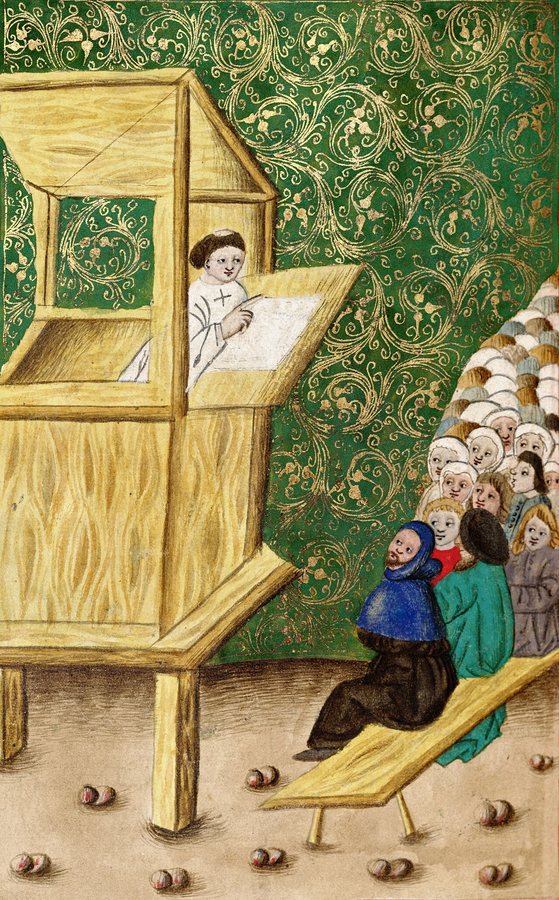
After studying at the University of Prague, Hus was ordained as a priest in 1400. He rose to leadership positions at the university, including serving as rector. From his pulpit, he criticized the moral failings of the clergy and the sale of indulgences. His reformist ideas, influenced by John Wycliffe, challenged established ecclesiastical views on the Eucharist and church structure, leading to his eventual excommunication.
Death and legacy
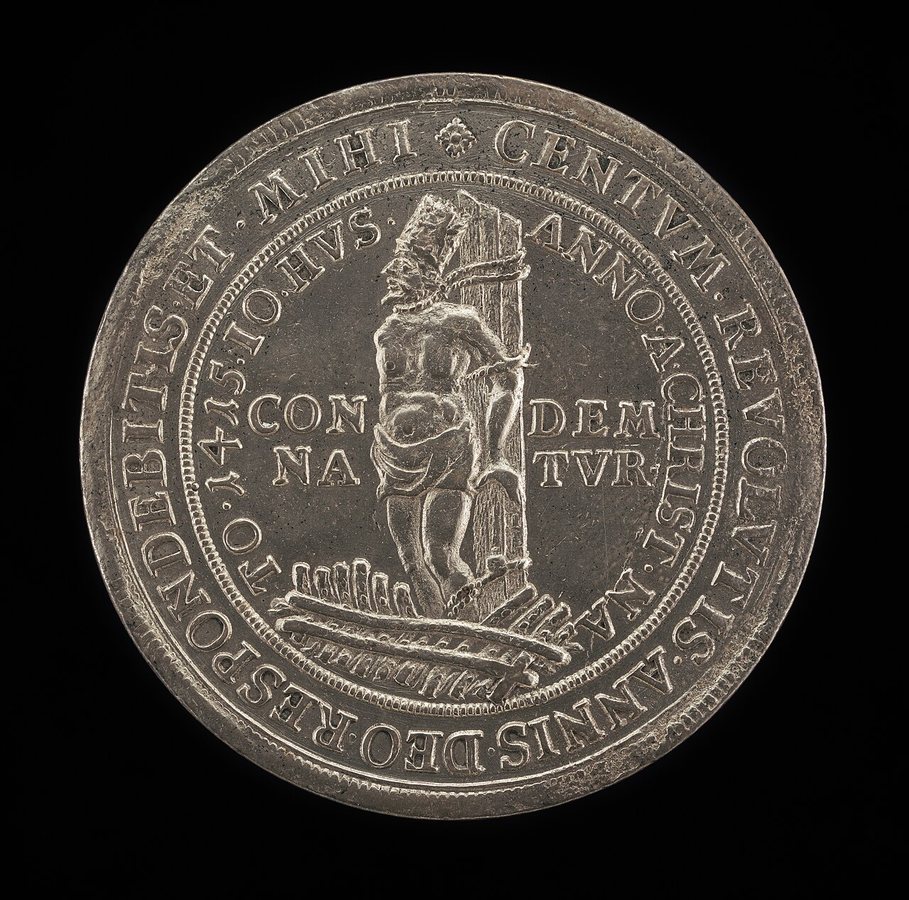
Hus traveled to the Council of Constance to address religious dissension, but he was arrested despite having safe conduct. He was executed for heresy on July 6, 1415. His death sparked the Hussite Wars, as his followers defended his teachings against several papal crusades. He remains a significant historical figure in the Czech lands and is venerated in several Christian traditions.