
Islamic State (IS), also known as ISIL or ISIS and by its Arabic acronym Daesh, is a transnational Salafi jihadist militant organisation and internationally unrecognised former quasi-state. It held significant territory in Syria during the Syrian civil war and in Iraq after U.S. troops withdrew. In 2014 it proclaimed a worldwide caliphate, a claim rejected by the vast majority of Muslims. The United Nations designates it a terrorist organisation, subjecting it to binding counterterrorism sanctions in every member state.
Rise and Territory


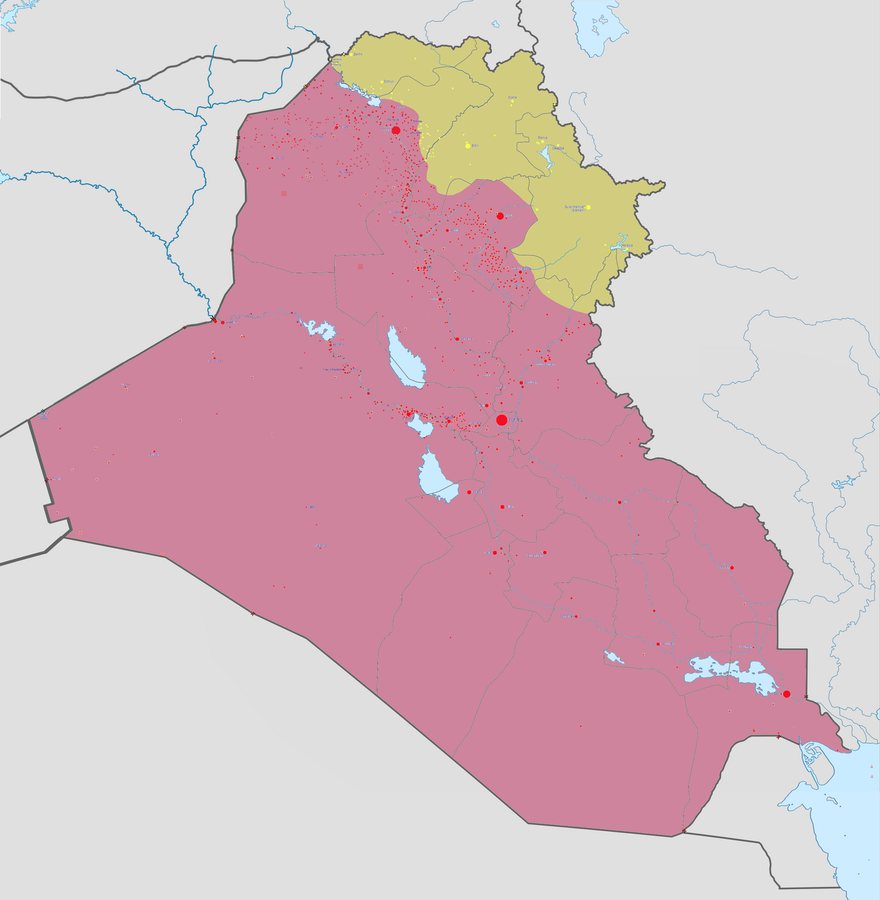
The group traces its origins to a organisation founded in 2004 that affiliated itself with al-Qaeda in Iraq during the Iraqi insurgency. It later took several names before declaring a caliphate in 2014. By the end of 2015, its self-declared state governed about 12 million people, enforced its interpretation of Islamic law, and commanded more than 30,000 fighters. After a prolonged conflict with American, Iraqi, and Kurdish forces, it lost its Middle Eastern territories by 2019 and reverted to insurgency, while its affiliates retained territory in parts of Africa.
Brutality and Attacks


During its rule in Syria and Iraq, the group became notorious for its violence. It committed genocides against Yazidis and Iraqi Turkmen, persecuted Christians, Shia Muslims, and Mandaeans, publicised videos of beheadings, and destroyed cultural sites. It also carried out terrorist massacres outside its territory, including attacks in Paris in 2015, Kerman in 2024, and Moscow in 2024, and lone wolf attacks inspired by its propaganda have occurred elsewhere.
Naming Controversy


The group is known by several names, and the choice of name is politically contested. It calls itself the Islamic State, a name rejected by the United Nations, many governments, and mainstream Muslim groups, who object to its religious and political claims. Many Arabic speakers use the term Daesh, which is considered derogatory and is punishable by flogging within its former areas of control.