
Iliad is one of two major surviving ancient Greek epic poems attributed to Homer, the other being the Odyssey. Divided into 24 books and written in dactylic hexameter, it is among the oldest works of literature still widely read today. It is often regarded as the first substantial piece of European literature and is central to the study of classical philology.
Setting and Story

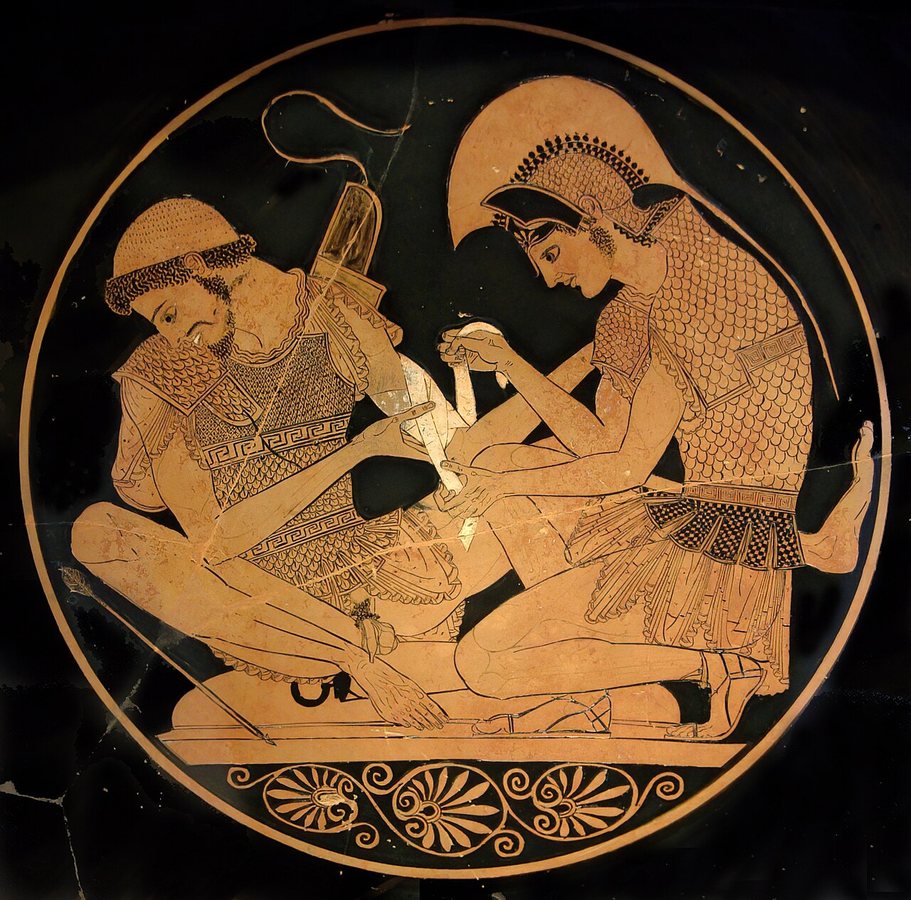


The poem is set near the end of the Trojan War, a ten-year siege of Troy by a coalition of Mycenaean Greek states. It follows the anger of Achilles, a celebrated warrior, from a bitter quarrel with King Agamemnon through to the death of the Trojan prince Hector. Contrary to popular belief, it does not depict the fall of Troy or the Trojan Horse, which later sources describe instead.
Composition and Authorship


The poem was likely composed in Homeric Greek, a literary blend of Ionic Greek and other dialects, around the 8th century BC, although some scholars favour a mid-7th-century date. Its composition, historicity and authorship are widely debated under the so-called Homeric Question. In antiquity it was esteemed, formed part of standard education, and was performed by professional reciters called rhapsodes at festivals such as the Panathenaia.
Themes and Significance


Central themes include glory, pride, fate and wrath, and the work is often described as a heroic epic concerned with war and the heroic code. It offers detailed scenes of ancient warfare alongside domestic life behind the walls of Troy and in the Greek camp. The Olympian gods, who aid their favoured warriors and cities, are portrayed in human terms, giving ancient audiences a concrete sense of their religious tradition.