
The penis is the external sex organ of the male human body, through which males ejaculate and urinate. Together with the testes and surrounding structures, it forms part of the male reproductive system. Its main parts are the root, the shaft and the glans, which is covered by the foreskin. Erections, which stiffen and reorient the organ during sexual arousal, are one of its best known functions, and the penis is homologous to the clitoris in females.
Structure and function


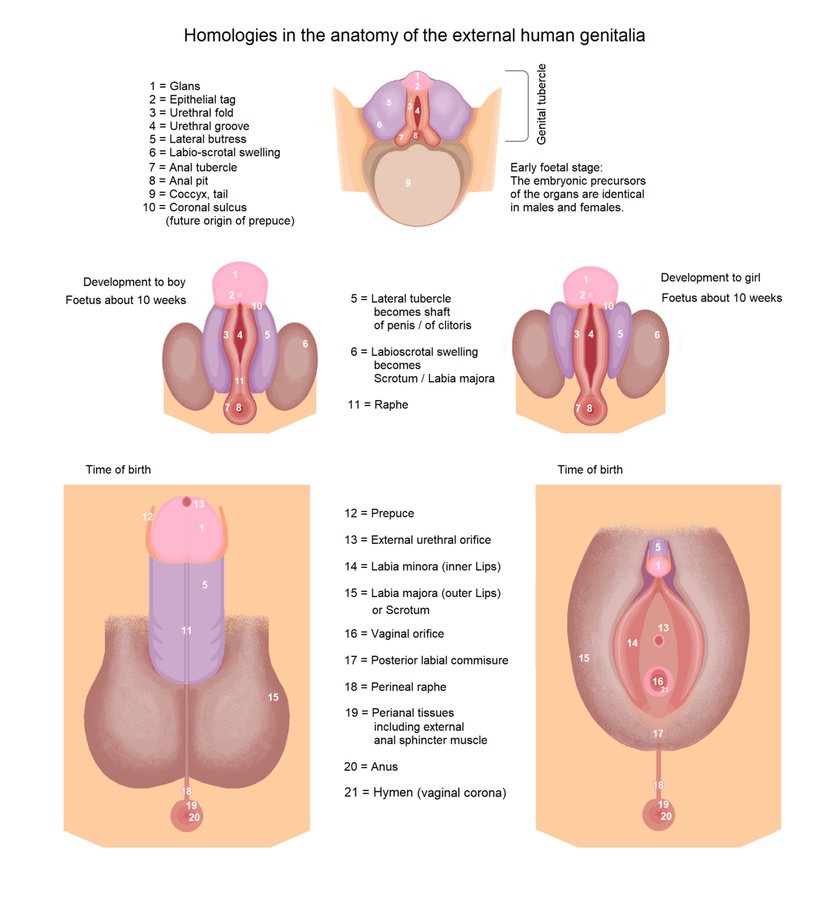

The body of the penis consists of three columns of erectile tissue, two corpora cavernosa on the upper side and the corpus spongiosum below them, surrounded by a fibrous layer called the tunica albuginea. The urethra runs through the corpus spongiosum and opens at the tip of the glans. When the erectile tissue fills with blood, the shaft becomes rigid and the penis changes from its flaccid state to its erect state.
Size and variation


Measurements of penis size vary depending on whether men measure themselves or are measured by health professionals, with self-reports generally higher. A 2015 systematic review of 15,521 men measured by professionals found an average erect length of 13.12 cm and an average circumference of 11.66 cm. Common normal variations include pearly penile papules, Fordyce's spots and a natural curvature of the organ, none of which are usually harmful.