
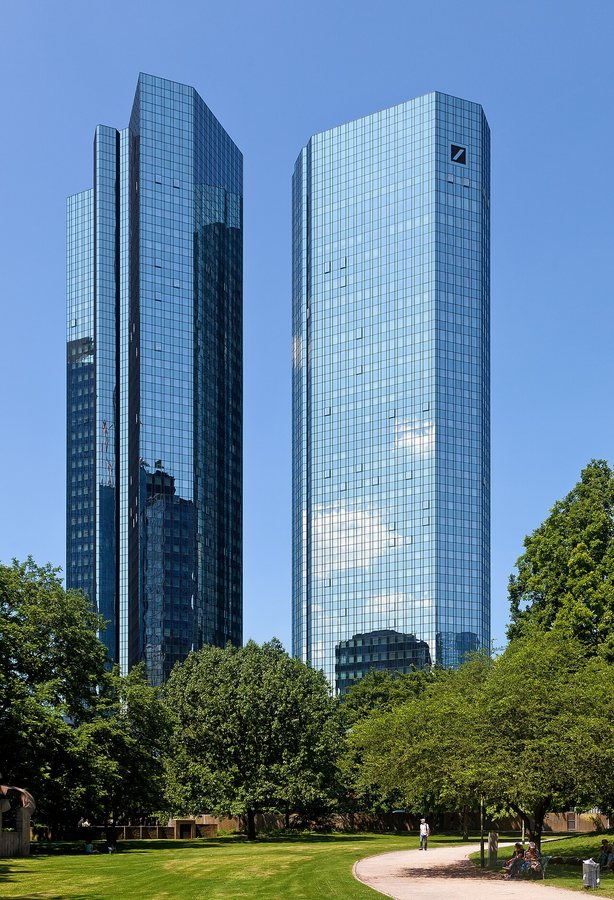
Hesse or Hessen is a landlocked state in the center of Germany. Its capital is Wiesbaden, while Frankfurt am Main is the largest urban area and the country's principal financial centre. With an area of about 21,115 square kilometers and a population of over six million, it is one of the sixteen German states. The Frankfurt Rhine-Main metropolitan area, Germany's second largest after Rhine-Ruhr, lies mainly within Hesse.
Name and origin


The name Hessen comes from the dative plural of the Hessians, the people who gave the region its name, and the Hessians trace their lineage to the ancient Chatti tribe. The English form Hesse became common by the 18th century, when it appeared in the names of the states of Hesse-Cassel and Hesse-Darmstadt. The element hassium, number 108 on the periodic table, was named after the state in 1997.
Historical development




The territory of Hesse was delineated only in 1945 under American occupation, corresponding loosely to the medieval Landgraviate of Hesse. Before German unification in the 19th century, the area comprised several separate states, including the Grand Duchy of Hesse, the Electorate of Hesse, the Duchy of Nassau and the free city of Frankfurt. Early settlement dates back to the Upper Paleolithic, and the Franks later brought the region under their control.
Cultural region


As a cultural region, Hesse also includes Rhenish Hesse, an area that lies in the neighboring state of Rhineland-Palatinate. The state is known for its major cities, including Darmstadt and Kassel, which are among its historic urban centers.