
Hamburg, officially the Free and Hanseatic City of Hamburg, is the second-largest city in Germany after Berlin, with a population of over 1.9 million. It is one of Germany's three city-states, alongside Berlin and Bremen, and lies at the base of the Jutland Peninsula, where the Elbe estuary begins at the confluence of the Alster and Bille. The city has a long history as a member of the Hanseatic League and is home to the Port of Hamburg, Germany's largest port.
Medieval and early history

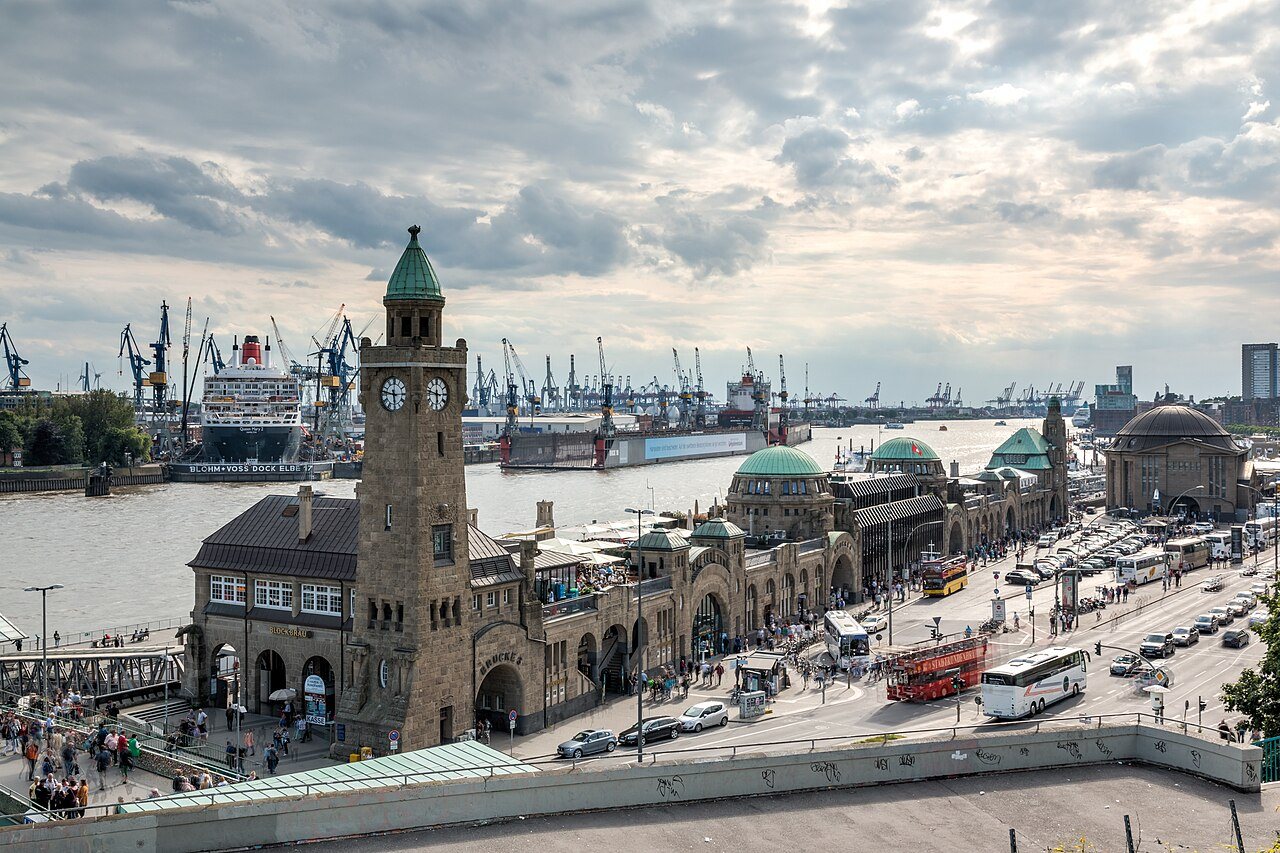


The name Hamburg derives from a castle that Charlemagne ordered built in 808, which served as a defence against Slavic incursions. In 834 the settlement became the seat of a bishopric, and in 1189 Frederick Barbarossa granted it the status of a Free Imperial City, with tax-free passage down the Lower Elbe to the North Sea. Its 1241 alliance with Lübeck is regarded as the founding moment of the Hanseatic League. The city endured repeated destruction, including Viking raids, fires, and the Black Death in 1350.
Culture and significance


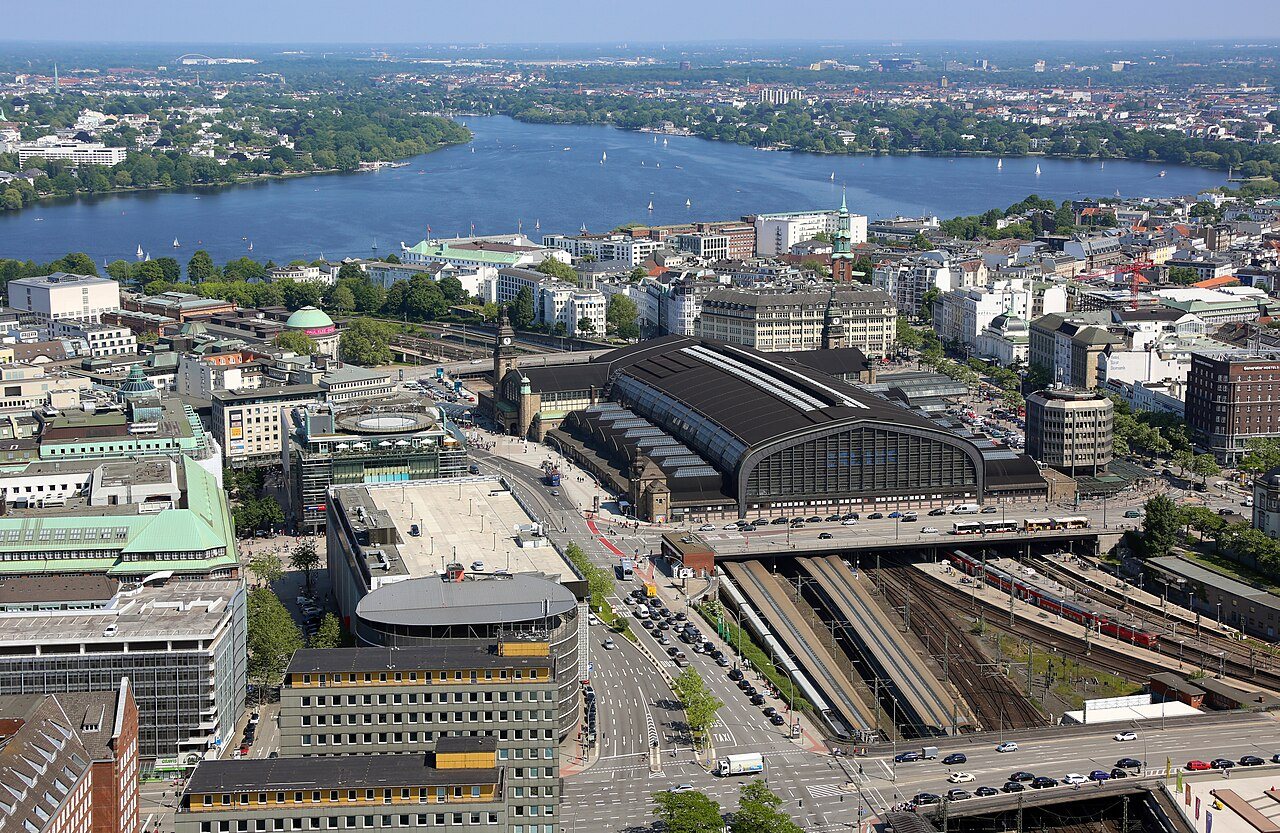


Hamburg is a major European centre for science, research and education, with several universities and institutions, including the University of Hamburg. It hosts international organisations such as the International Tribunal for the Law of the Sea and is a major tourist destination. The Speicherstadt and Kontorhausviertel were declared World Heritage Sites by UNESCO in 2015. The city is also known for its concert halls, theatres, and the Reeperbahn entertainment district in St. Pauli.