factograf
EN
Sign in

sovereign state in Central America

Guatemala

Guatemala

Guatemala, officially the Republic of Guatemala, is a country in northern Central America bordered by Mexico, Belize, Honduras and El Salvador, with coastlines on the Pacific Ocean and the Gulf of Honduras. Its territory was the core of the Maya civilization. After Spanish conquest in the 16th century and independence in 1821, the country endured long periods of dictatorship and a bloody civil war from 1960 to 1996. Today it is the most populous country in Central America, with about 17.6 million people and Guatemala City as its capital and largest city.

Pre-Columbian and colonial past

Un-guatemala
Un-guatemala
The Maya city of Tikal
The conquistador Pedro de Alvarado led the initial Spanish efforts to conquer Guatemala.
Guatemalan whites after the declaration of independence on 15 September 1821.
An 1847 proclamation coin of the independent Republic of Guatemala
Rafael Carrera after becoming president for life in 1854
Vicente Cerna y Cerna was the president of Guatemala from 1865 to 1871.
Justo Rufino Barrios, leader of the Liberal reform
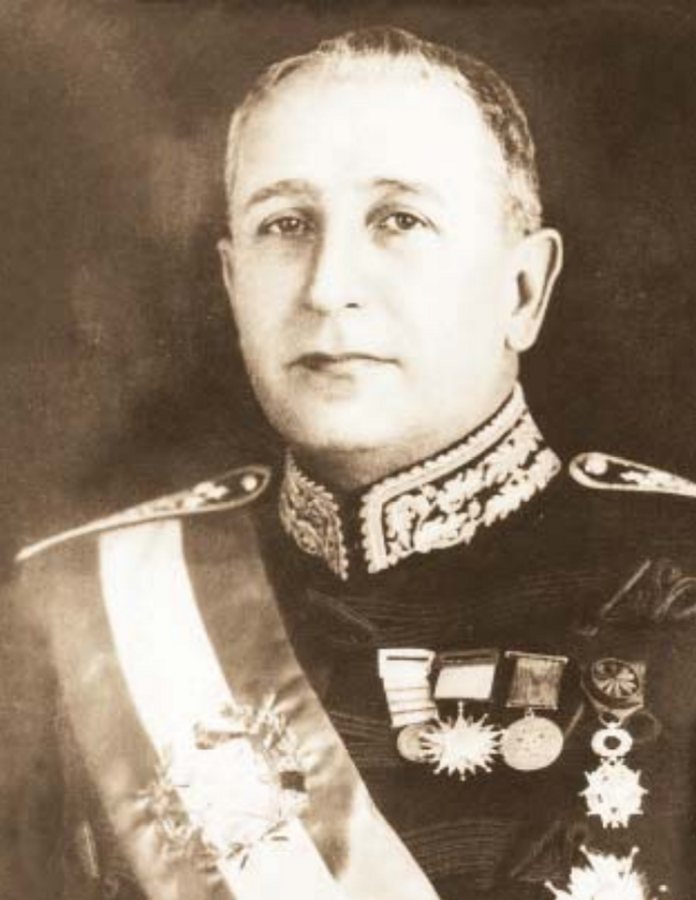
Jorge Ubico in 1931
Jorge Ubico in 1931
Jacobo Árbenz, president 1950-1954
Memorial to the victims of the Río Negro massacres
An outdoor market in Chichicastenango, 2018
12 images

Human habitation dates back to about 12,000 BC, and maize cultivation had developed by 3500 BC. The Classic Maya period, roughly 250 to 900 AD, marked the height of the civilization, with many sites in Petén. After a collapse around 900 AD, linked by researchers to prolonged drought, regional kingdoms continued Maya culture. Spanish conquest began in the 1520s under Pedro de Alvarado, and epidemics such as smallpox greatly reduced the indigenous population. The Spanish later founded the capital at Santiago de los Caballeros de Guatemala, now Antigua Guatemala.

Civil war and reform

Guatemala City is the capital and largest city of Guatemala and the most populous urban area in Central America.
Bernardo Arévalo, president of Guatemala
Topographic map of Guatemala
The highlands of Quetzaltenango
A town along the Pan-American Highway within a volcanic crater
Official portrait of President Bernardo Arévalo, cropped
Official portrait of Vice President Karin Larissa Herrera Aguilar, cropped
The National Palace, former residence of the president, now used for important acts by the executive branch
The interior of the Congress
Departments of Guatemala without labels
Fields in Quetzaltenango
11 images

Guatemala was part of the Federal Republic of Central America from 1823 to 1841 and faced instability for much of the late 19th century. A decade-long revolution began in 1944 after the overthrow of dictator Jorge Ubico, bringing social and economic reforms. A U.S.-backed coup in 1954 ended the revolution. From 1960 to 1996, a civil war between government forces and leftist rebels caused severe violence, including massacres of the Maya population. A United Nations-negotiated peace accord ended the conflict and was followed by economic growth and democratic elections.

Nature and society

The colonial city of Antigua Guatemala, a UNESCO World Heritage Site
Tz'utujil men in Santiago Atitlán
Percentage of people who identify as Mayan, by municipality (2018)
The Catedral Metropolitana, Guatemala City
A colonial church in San Andrés Xecul
The library of the University of San Carlos, the fourth university founded in the Americas
Traditional dance of the conquest
Human rights activist, author and Nobel Peace Prize laureate Rigoberta Menchú
Ricardo Arjona, a singer with a long career whose music is well known in Latin America.
Black and red tamales in Guatemala
Estadio Doroteo Guamuch Flores in Guatemala City
11 images

The country hosts many biologically significant ecosystems and endemic species, which contribute to Mesoamerica's designation as a biodiversity hotspot. Despite exporting many goods, around a quarter of the population, about 4.6 million people, face food insecurity. Poverty, crime, corruption, drug trafficking and civil instability remain major challenges.

In 238 languages

EnglishČeštinaDeutschEspañolFrançaisItaliano日本語PolskiPortuguêsРусскийУкраїнська中文AbkhazianAcehneseAdygheAfrikaansShqipAmiአማርኛOld EnglishAngikaAragoneseالعربيةMoroccan ArabicEgyptian ArabicAsturianuKotavaAymaraAzbAzərbaycanBalineseBavarianbat-smgБашҡортBatak TobaBikolБеларускаяBetawiБългарскиBhojpuriBislamaBamanakanবাংলাབོད་སྐད་BishnupriyaBrezhonegBosanskiБуряадCatalàcbk-zamCdoCebuanoНохчийнکوردیی ناوەندیCrimean TatarЧӑваш чӗлхиCymraegDagDanskZazaDolnoserbšćinaDtyDivehiརྫོང་ཁEʋegbeΕλληνικάEsperantoEestiEuskaraExtremaduranفارسیfiu-vroSuomiFøroysktArpitanNorthern FrisianFryskGagauzGaeilgeGcrGàidhligGilakiGalegoGuaraniकोंकणीGaelgHakka ChineseHausaעבריתFiji Hindiहिन्दीHrvatskiHornjoserbšćinaHaitian CreoleMagyarՀայերենInterlinguaBahasa IndonesiaInterlingueIlokoIdoÍslenskaJamaican Creole EnglishLojbanJawaKara-KalpakქართულიKabardianKbpҚазақшаខ្មែរಕನ್ನಡ한국어Karachay-BalkarکٲشُرKurdî (kurmancî)KomiKernewekКыргызчаLadinoLatinLëtzebuergeschLingua Franca NovaLigureLimburgishLldLombardLingálaລາວLietuviųLatviešuMaduresemap-bmsMokshaMalagasyMariMinangkabauMāoriМакедонскиമലയാളംমৈতৈলোন্МонголWestern MariमराठीMelayuMaltiMirandeseErzyaမြန်မာمازرونیNeapolitanNeddersass’sch (Nedderlannen)Neddersass’schनेपालीNewariNederlandsNorsk nynorskNovialNorskNavajoOccitanOloOromooИронPampangaPapiamentoਪੰਜਾਬੀPicardPiemontèisWestern PanjabiPplپښتوRunasimiroa-rupRomânăRusynIkinyarwandaСаха тылаᱥᱟᱱᱛᱟᱲᱤसंस्कृत भाषाSicilianuScotsSarduسنڌيDavvisámegiellaⵜⴰⵛⵍⵃⵉⵜတႆးSrpski (latinica)සිංහලSlovenčinaSlovenščinaAnarâškielâSamoanChiShonaSoomaaliShqipСрпскиSwatiSaterland FrisianBasa SundaSvenskaKiswahiliŚlōnskiSzyதமிழ்TayTetumతెలుగుТоҷикӣไทยTürkmen diliFilipinoTalyshToki ponaLea fakatongaTarokoTürkçeТатарTumbukaUdmurtئۇيغۇرچەاردوO‘zbekVenetoVepsTiếng ViệtVolapükWarayWolofWu ChineseMingrelianייִדישÈdè YorùbáVahcuenghZeelandicⵜⴰⵎⴰⵣⵉⵖⵜzh-yueIsiZulu

Редакція Factograf · Published October 14, 2026 · Partly based on Wikipedia, CC BY-SA 4.0 · Source article