
Gregory of Nazianzus was a prominent 4th-century theologian, orator, and prelate who served as the Archbishop of Constantinople. Born in Cappadocia, he received an extensive classical education in rhetoric and philosophy, which he later integrated into Christian doctrine. Known as one of the Cappadocian Fathers, he played a vital role in defining Trinitarian theology during a period of intense religious debate. His sophisticated literary style and deep philosophical insights established a lasting paradigm for Byzantine ecclesiastical thought and influenced centuries of Christian teaching.
Life and ministry


Following his studies in Athens, Gregory was ordained a priest by his father. Although he initially preferred a contemplative, monastic life, he was eventually pressured into various episcopal roles by his family and his friend, Basil of Caesarea. He served as the Bishop of Sasima and later helped lead the church in Nazianzus. He reached the height of his career when he was appointed Archbishop of Constantinople, where he used his rhetorical skills to defend orthodox doctrines against Arianism.
Theological legacy
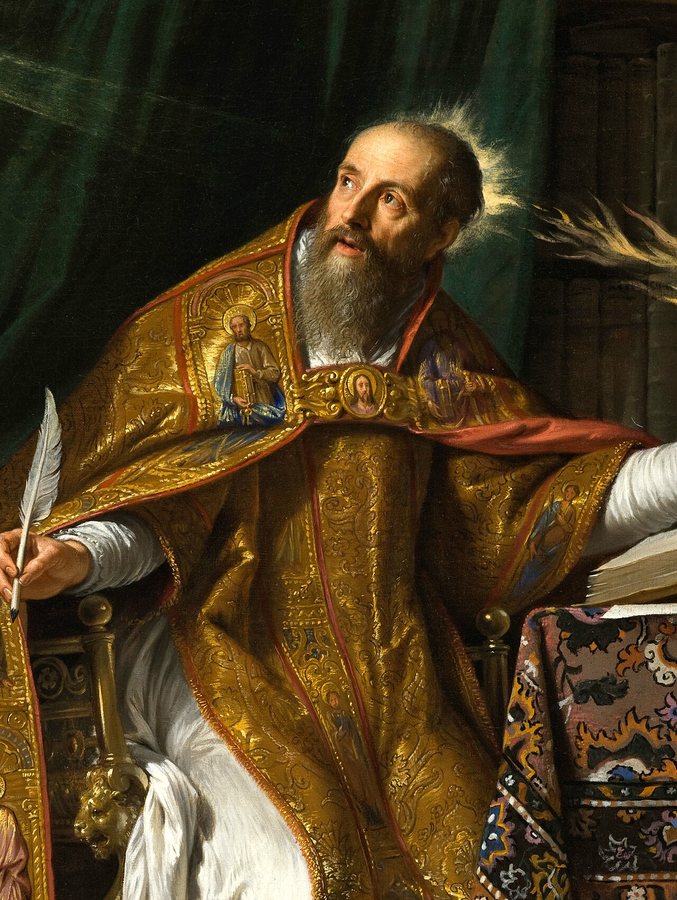
Often called the "Trinitarian Theologian," Gregory provided essential clarity regarding the relationship between the three Persons of the Trinity. His writings helped shape the foundational doctrines of the early Church. Because of his profound insight, he is one of only three individuals in the Orthodox tradition to be officially given the title "Theologian." His works remain central to both Eastern and Western theological study.
Veneration
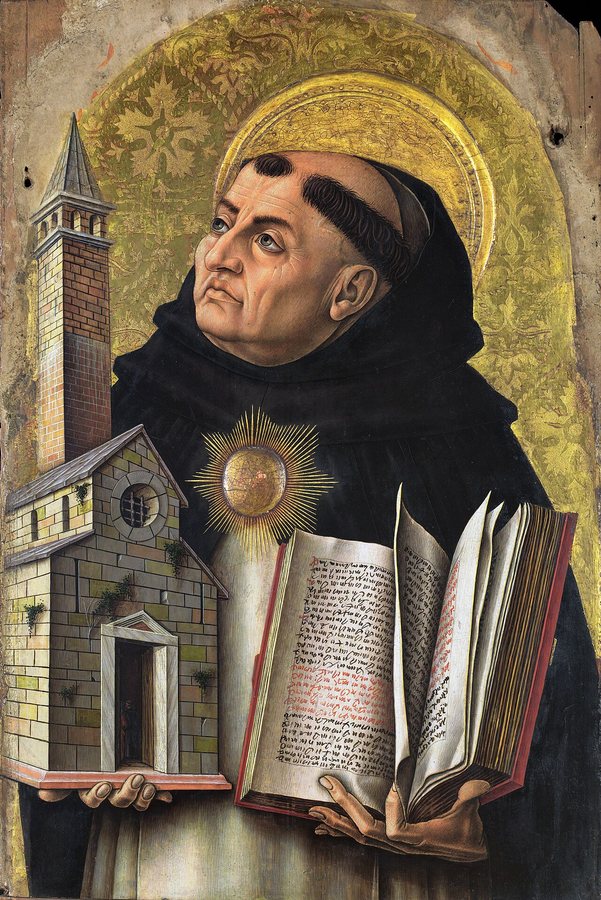
Gregory is honored as a saint in several traditions, including Catholic, Eastern Orthodox, and Anglican. In the Catholic Church, he is recognized as a Doctor of the Church, while the Eastern traditions revere him as one of the Three Holy Hierarchs. His feast days are observed on January 2 and January 25, depending on the liturgical calendar.