
Gotthard of Hildesheim was an 11th-century German Benedictine monk, abbot, and bishop. Born near Niederaltaich around 960, he pursued theological studies at Niederaltaich Abbey and later at the cathedral school in Passau. He became a monk at Niederaltaich, eventually serving as its abbot. As a dedicated reformer, he implemented Cluniac principles and helped restore Benedictine observance in several abbeys. In 1022, he was appointed bishop of Hildesheim, where he focused on clerical education and church construction until his death in 1038.
Life and work


After serving as an administrator at the court of Salzburg, Gotthard returned to Niederaltaich, where he was appointed provost and later abbot. He worked closely with Henry II to revive the Rule of St. Benedict across various regions. As bishop of Hildesheim, he established numerous schools and oversaw the building of approximately 30 churches. He also founded a monastery and hospice on the Zierenberg, where he passed away in 1038.
Veneration and legacy

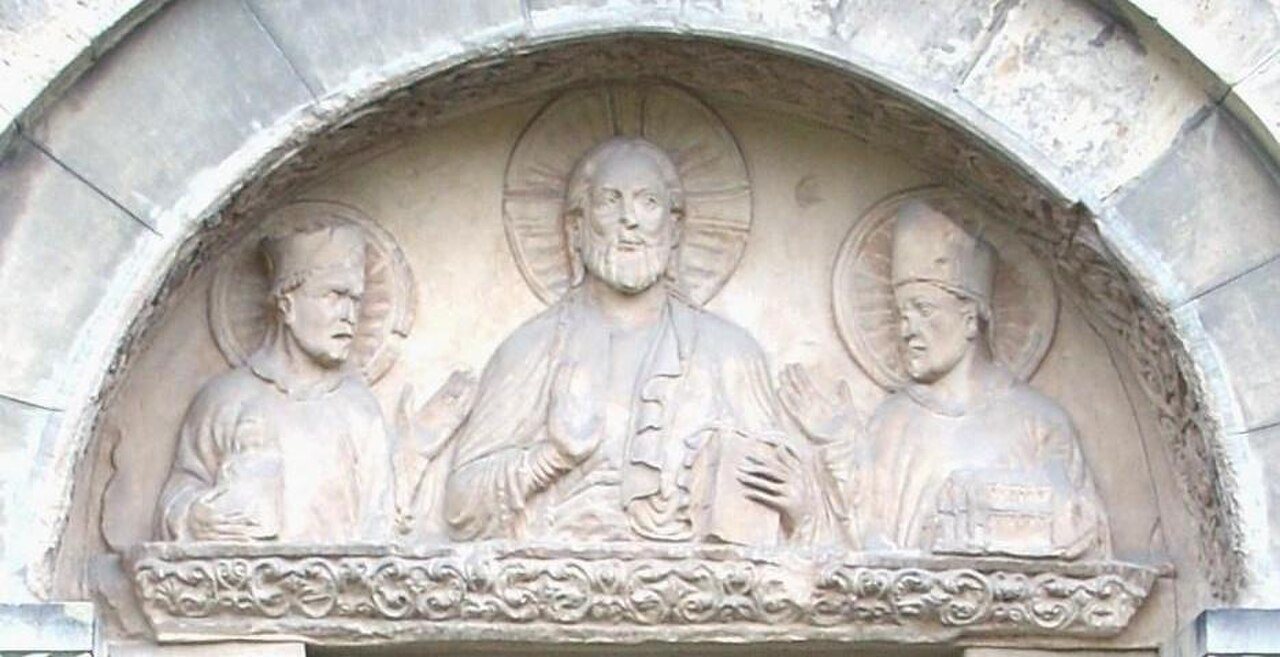
He was officially canonized in 1131 at a synod in Rheims. His relics were moved to the Hildesheim cathedral in 1132, and his shrine remains one of the oldest medieval relic containers. Devotees have historically invoked his name against various ailments, including fever and gout. He is also recognized as a patron for traveling merchants, and his name is associated with the famous mountain pass in the Swiss Alps.