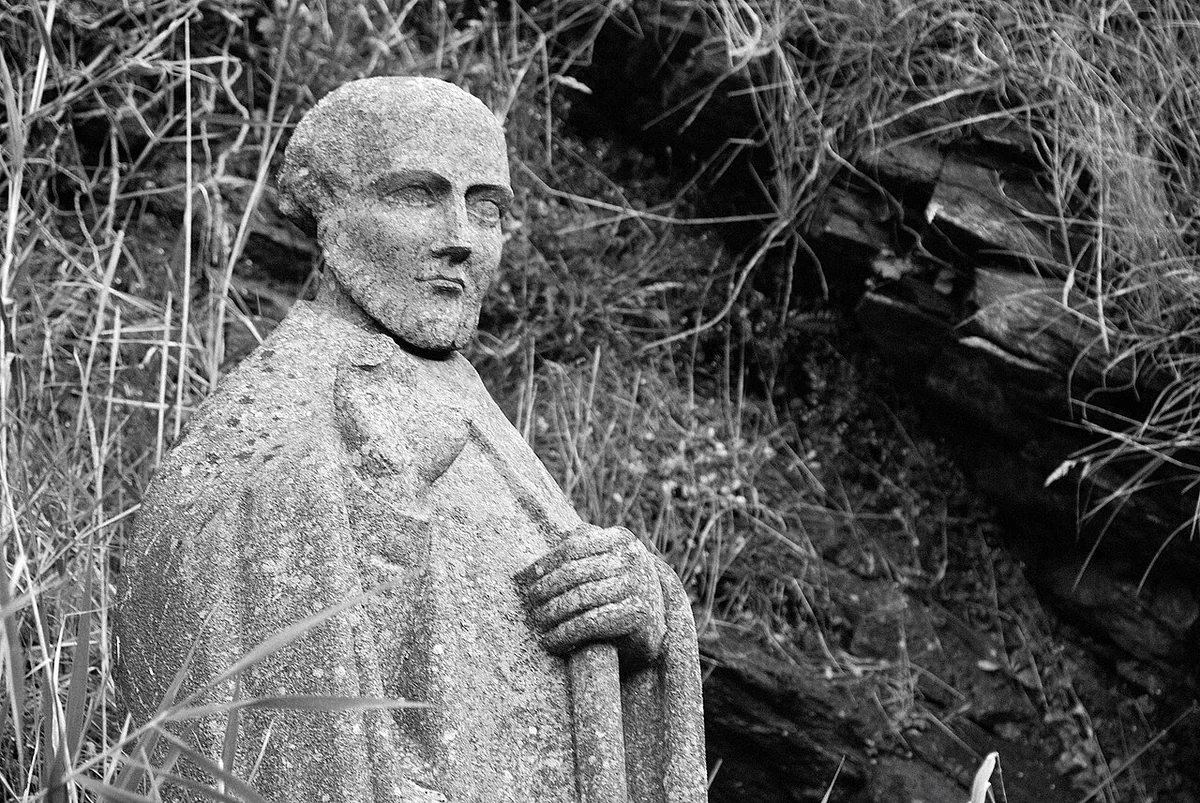
Gildas was a 6th-century British monk, missionary, and abbot who is primarily remembered as a significant historian of the sub-Roman period. Born in the Kingdom of Strathclyde, he abandoned a royal heritage to pursue a religious life after studying at the College of St. Illtud. He became a renowned teacher and missionary, traveling to Ireland to restore Christian order and later settling in Brittany. His most famous work, a religious polemic regarding the history of the Britons, remains a vital source for understanding the era of Saxon incursions.
Life and work
After his education, Gildas served as a priest and missionary, converting many people to Christianity across Britain and Ireland. He established numerous churches and monasteries during his travels. In his later years, he moved to the Rhuys Peninsula in Brittany, where he lived as a hermit before founding the monastery of Saint-Gildas-de-Rhuys to accommodate students seeking his teaching.
Historical legacy
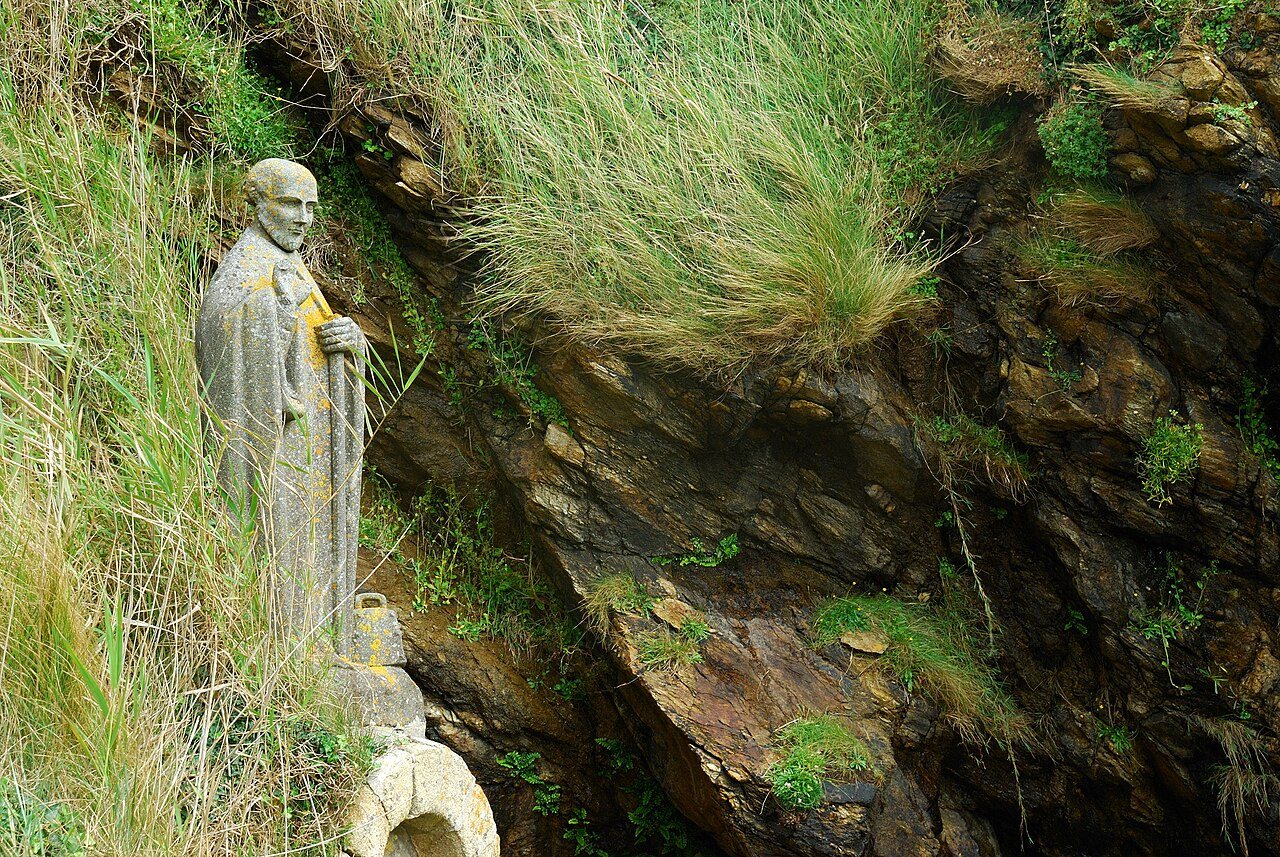
He is most famous for writing De Excidio et Conquestu Britanniae, a work that critiques both secular rulers and the clergy of his time. This text provides a rare contemporary account of British history during the transition from Roman rule. His literary skill and deep biblical knowledge earned him the reputation of being wise, and he remains a key figure in early Christian history.
Veneration
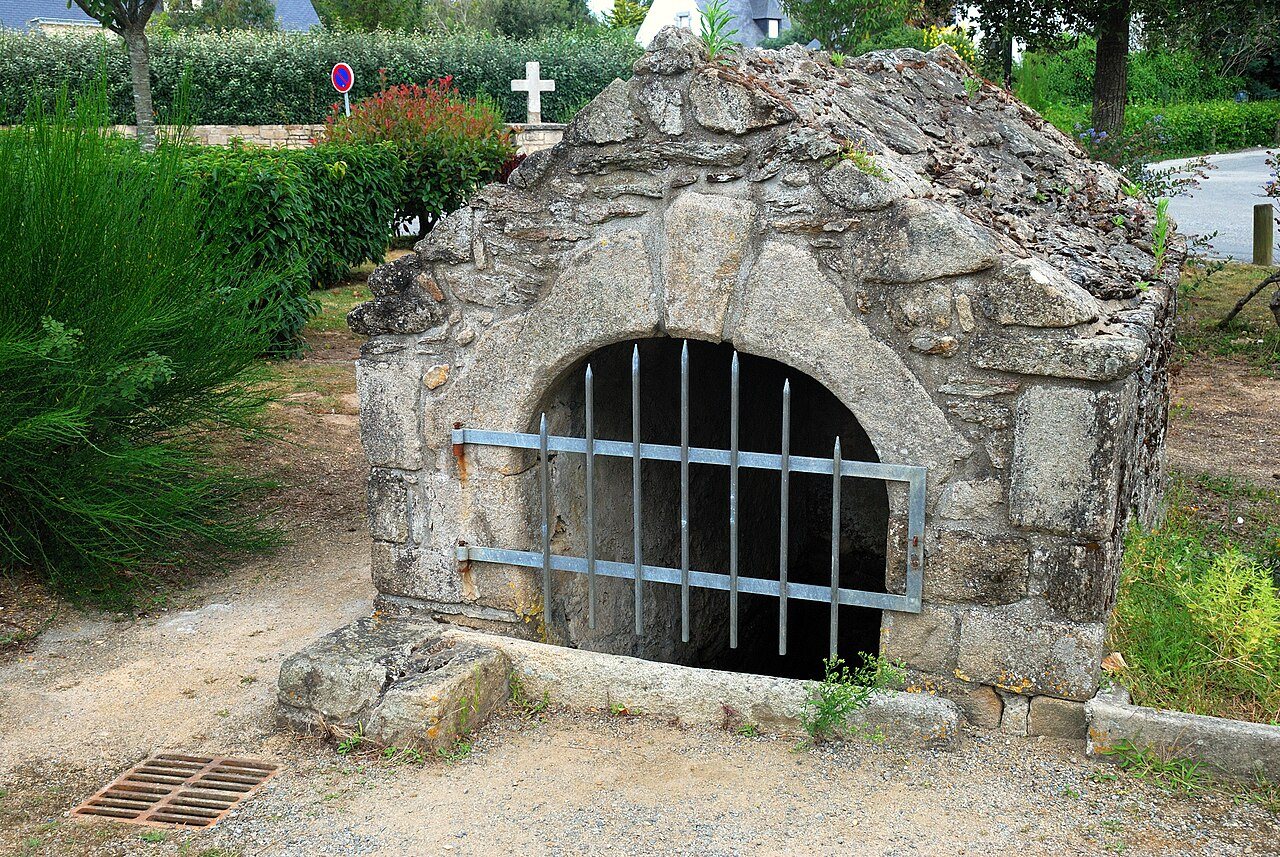
Recognized as a saint, he is commemorated in the Catholic, Anglican, and Orthodox traditions. His feast day is observed on 29 January. He is honored for his role as a teacher and his dedication to the faith, with his memory preserved through the monastic community he established in Brittany.