
Germany, officially the Federal Republic of Germany, is a country in Western and Central Europe. It lies between the Baltic Sea and the North Sea to the north, with the Alps to the south. Its 16 constituent states have a combined population of over 83 million, making it the most populous member state of the European Union. Berlin is the capital and largest city, while Frankfurt serves as the main financial centre.
Early history


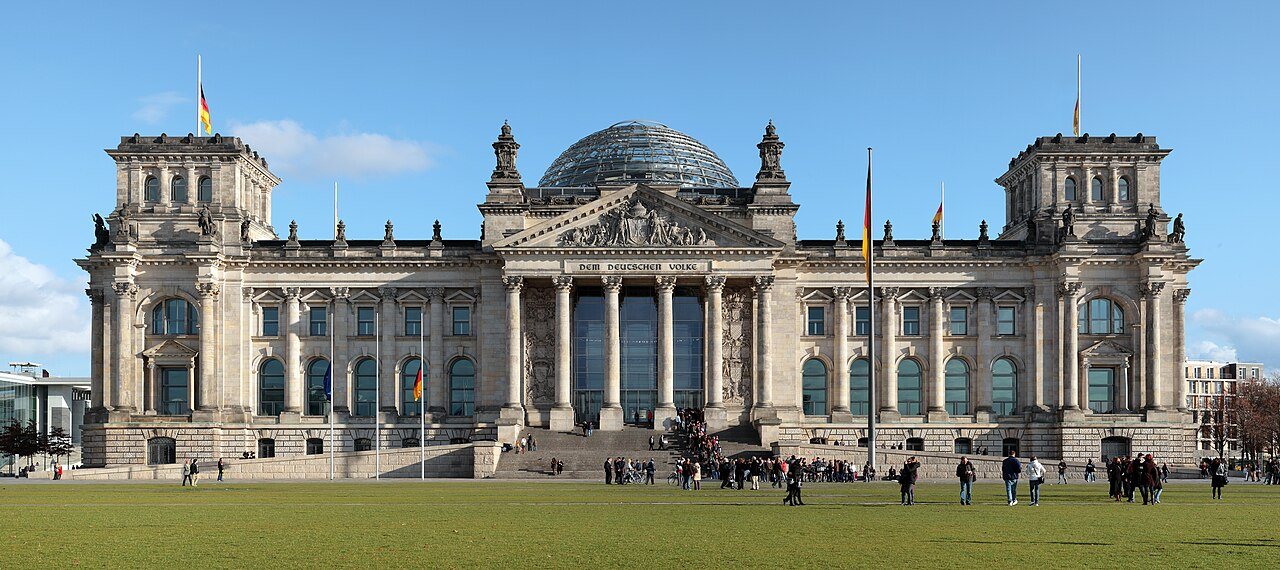



Humans lived in the territory of modern Germany at least 600,000 years ago. Celtic peoples inhabited the south, while Germanic tribes expanded from southern Scandinavia and northern Germany. The Romans named the area Germania, but their attempts to conquer it were halted after a major defeat in 9 AD. Over the following centuries, Germanic groups settled most of the region, and the Franks later established a kingdom that became the basis of East Francia, from which the Kingdom of Germany and the Holy Roman Empire emerged.
Modern nation-state


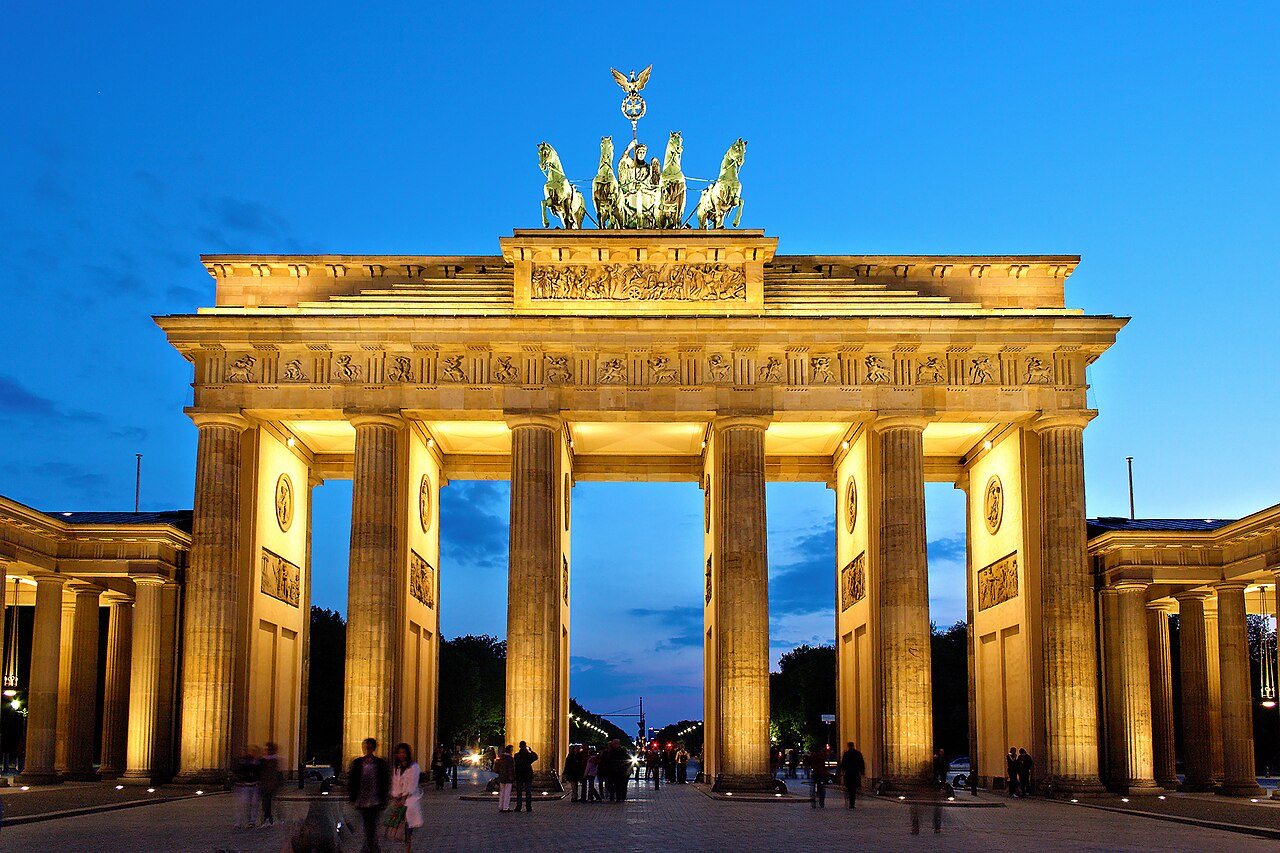


Unification led by Prussia established the German Empire in 1871. After the First World War, the empire gave way to the Weimar Republic, which was succeeded by a Nazi dictatorship that waged the Second World War and carried out the Holocaust. After 1949 the country was divided into West Germany and East Germany. Following the fall of East Germany's communist government, the two states reunited on 3 October 1990.
Economy and significance


Germany is a developed country with the largest economy in Europe by nominal GDP. It is a major force in industrial, scientific and technological sectors and ranks among the world's largest exporters and importers. Widely considered a great power, Germany belongs to many international organisations and has the third-highest number of UNESCO World Heritage Sites.