factograf
EN
Sign in

founding father and first president of the United States (1732–1799)

George Washington

George Washington

George Washington was a Founding Father and the first president of the United States, serving from 1789 to 1797. As commander of the Continental Army, he led Patriot forces to victory in the American Revolutionary War against the British Empire. Known as the Father of His Country, he played a central role in bringing about American independence, and he set precedents for the office of president that shaped the young nation's government.

Early life and career

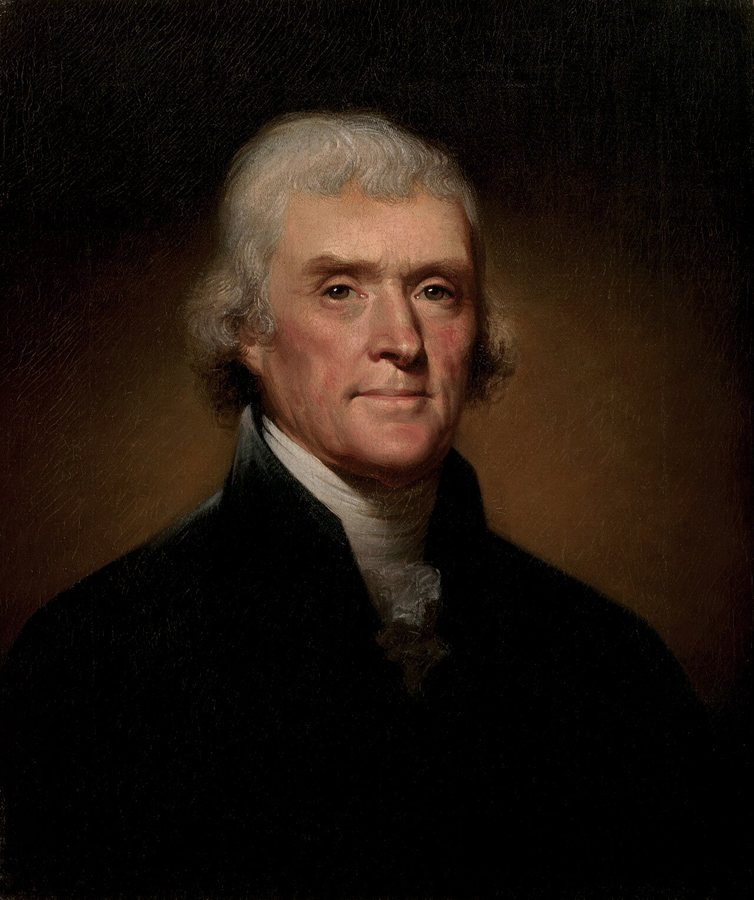
Gilbert Stuart's Williamstown portrait of George Washington, cropped to 3x4
Ferry Farm, the Washington family home on the Rappahannock River in Stafford County, Virginia, where Washington spent much of his youth
Map showing key locations in the French and Indian War
Washington the Soldier, an 1834 portrait of Washington on horseback during the Battle of the Monongahela
Washington in 1772
Washington in 1772
Martha Dandridge Custis, Mrs. Daniel Parke Custis, 1731–1802
General Washington, Commander of the Continental Army, an 1776 portrait by Charles Willson Peale
Map of the Battle of Long Island
Washington Crossing the Delaware by Emanuel Leutze (1851)
Washington and Lafayette at Valley Forge, a 1907 painting by John Ward Dunsmore
10 images

Washington was born in 1732 in the Colony of Virginia and received only a limited formal education after his father's death. He trained as a surveyor and developed a talent for drafting and mapmaking. In the early 1750s he entered colonial military service, and he commanded the Virginia Regiment during the French and Indian War from 1754 to 1763. He later won election to the Virginia House of Burgesses and opposed British policies that he saw as oppressive to the colonists.

Leading the Revolution

Map of the Siege of Yorktown
General George Washington Resigning His Commission, an 1824 portrait by John Trumbull
Scene at the Signing of the Constitution of the United States, a 1940 portrait by Howard Chandler Christy showing Washington presiding over the Constitutional Convention in 1787
An early inaugural portrait, c. 1795, by Gilbert Stuart
Portrait of Thomas Jefferson
Washington's Farewell Address, published by the American Daily Advertiser on September 19, 1796
Lansdowne Portrait, c. 1796
Washington on His Deathbed, an 1851 portrait by Junius Brutus Stearns
The sarcophagi of George and Martha Washington at the entrance to their tomb at Mount Vernon
An 1851 portrait by Junius Brutus Stearns depicting an idealized version of plantation work
10 images

When the American Revolutionary War began in 1775, Washington was appointed commander-in-chief of the Continental Army. He led a poorly equipped force against disciplined British troops, suffering setbacks such as the loss of New York City but winning notable battles at Trenton and Princeton. His combined French and American force achieved a decisive victory at Yorktown in 1781, and the resulting Treaty of Paris in 1783 recognized American independence.

Presidency and legacy

Runaway advertisement for Ona Judge, an enslaved servant in Washington's presidential household
Washington as a Freemason
Mount Rushmore National Memorial
The Washington Monument
Washington 1862 issue 24-cent stamp
Washington 1917 issue 5-cent stamp, cropped
2006 quarter proof
2006 quarter proof
George Washington presidential $1 coin, obverse
Obverse of the 2021 series $1 Federal Reserve Note
9 images

Washington presided over the Constitutional Convention in 1787 and was unanimously elected the first president in 1789 and again in 1792. He built a strong national government and set enduring precedents, including a peaceful transfer of power and the two-term tradition. His 1796 farewell address emphasized national unity. Though he owned many enslaved people, he began opposing slavery late in life. His image is a lasting icon of American culture, and he is consistently ranked among the greatest American presidents.

In 213 languages

EnglishČeštinaDeutschEspañolFrançaisItaliano日本語PolskiPortuguêsРусскийУкраїнська中文AbkhazianAcehneseAdygheAfrikaansShqipአማርኛOld EnglishAragoneseAramaicالعربيةMoroccan ArabicEgyptian ArabicAsturianuঅসমীয়াAwadhiAymaraAzbAzərbaycanBalineseBavarianbat-smgБашҡортBikolБеларускаяBetawiБългарскиBhojpuriBislamaBanjarবাংলাBrezhonegBosanskiBtmБуряадCatalàCdoCebuanoНохчийнᏣᎳᎩکوردیی ناوەندیCorsicanCrimean TatarChurch SlavicЧӑваш чӗлхиCymraegDanskZazaDtyDivehiEʋegbeΕλληνικάEmlEsperantoEestiEuskaraفارسیSuomiFøroysktArpitanNorthern FrisianFurlanFryskGan ChineseGaeilgeGàidhligGalegoGuaraniGorontaloગુજરાતીHakka ChineseHausaʻŌlelo HawaiʻiעבריתFiji Hindiहिन्दीHrvatskiHornjoserbšćinaHaitian CreoleMagyarՀայերենHywInterlinguaBahasa IndonesiaIlokoIdoIsvÍslenskaJamaican Creole EnglishJawaKara-KalpakTaqbaylitქართულიKabardianKbpҚазақшаKanuriಕನ್ನಡ한국어Karachay-BalkarKölschکٲشُرKurdî (kurmancî)KernewekКыргызчаLatinLëtzebuergeschLezghianLingua Franca NovaLugandaLigureLimburgishLldLombardLingálaລາວLietuviųLatviešuMadureseमैथिलीMalagasyMinangkabauMāoriМакедонскиമലയാളംМонголमराठीMelayuMaltiErzyaမြန်မာمازرونیNeddersass’schनेपालीNewariNederlandsNorsk nynorskNorskߒߞߏNyanjaOccitanOloИронPampangaPapiamentoਪੰਜਾਬੀPiemontèisWestern PanjabiپښتوRunasimiRkiRomanyRomânăRusynIkinyarwandaСаха тылаᱥᱟᱱᱛᱟᱲᱤसंस्कृत भाषाSicilianuScotsSarduسنڌيတႆးSrpski (latinica)සිංහලSlovenčinaSlovenščinaSoomaaliShqipSranan TongoСрпскиBasa SundaSvenskaKiswahiliSzyதமிழ்తెలుగుТоҷикӣไทยTürkmen diliFilipinoTalyshToki ponaTürkçeТатарTumbukaТываUdmurtئۇيغۇرچەاردوO‘zbekVenetoVepsTiếng ViệtWest FlemishVolapükWarayWu ChineseMingrelianייִדישÈdè Yorùbázh-yue

Редакція Factograf · Published October 14, 2026 · Partly based on Wikipedia, CC BY-SA 4.0 · Source article