
Frederick Douglass was a prominent 19th-century American social reformer, orator, and writer who became a leading figure in the movement for African American civil rights. Born into slavery in Maryland around 1818, he escaped to the North in 1838 and dedicated his life to the abolitionist cause. Through his powerful speeches and influential autobiographies, he challenged the intellectual justifications for slavery. Beyond his work for racial equality, he was a dedicated advocate for women's suffrage and served in several official capacities, including as a diplomat and a United States ambassador.
Life and work

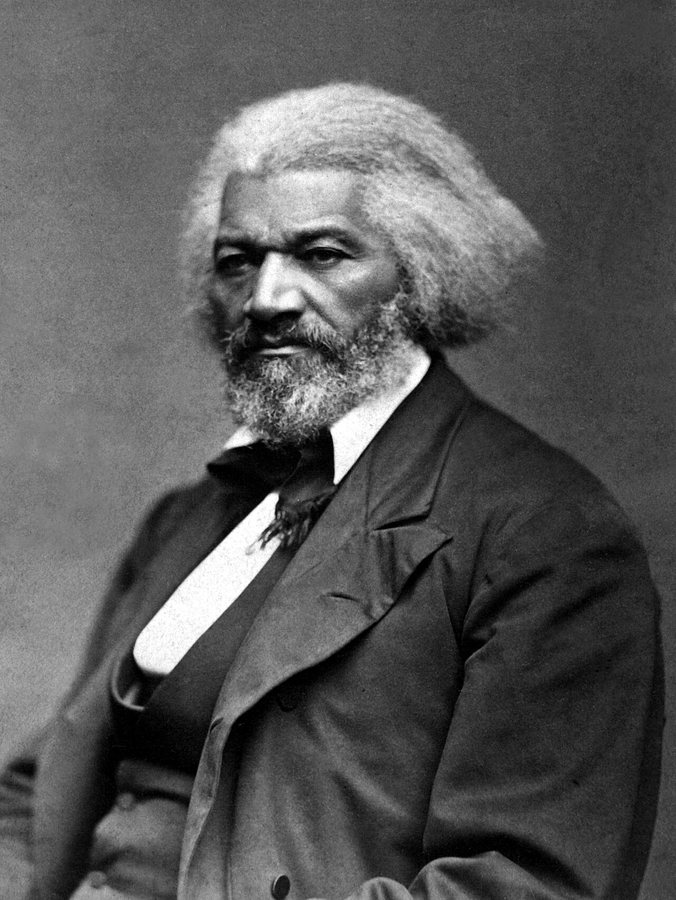
After gaining literacy through secret self-education, Douglass became a celebrated speaker and author. His first autobiography, published in 1845, was a bestseller that helped advance the abolitionist movement. He later served as a diplomat and held various public offices, such as the Recorder of Deeds in Washington, D.C. Throughout his career, he sought to build alliances across different ideological divides to achieve justice and equality for all citizens.
Veneration


Recognized as a saint, he is commemorated in the Anglican and Catholic traditions. His feast day is observed on February 20, marking the anniversary of his death in 1895. His legacy remains central to the history of civil rights and the struggle for human dignity in the United States.