factograf
EN
Sign in

country in Western Europe and other continents through overseas territories

France

France

France, officially the French Republic, is a country primarily located in Western Europe, with overseas regions and territories in South America, the North Atlantic, the Caribbean, Oceania and the Indian Ocean. Its metropolitan area borders several neighbouring states and extends from the Rhine to the Atlantic Ocean. With a population estimated at over 69 million in 2026, it has Paris as its capital and largest city, a major cultural and economic centre. France is a developed country with one of the largest economies in the world and a permanent seat on the United Nations Security Council.

Early history

France and its regions
The Maison Carrée was a temple of the Gallo-Roman city of Nemausus (present-day Nîmes) and is one of the best-preserved Roman temples anywhere.
After Clovis converted to Catholicism in 498, the Frankish monarchy, previously elective and secular, became hereditary and of divine right.
Joan of Arc led the French army to several important victories during the Hundred Years' War (1337–1453), paving the way for the final victory.
Louis XIV, the "Sun King", was the absolute monarch of France who made the country the leading power in Europe.
The Storming of the Bastille on 14 July 1789 was the most emblematic event of the French Revolution.
Napoleon, Emperor of the French, built a vast empire across Europe.
French colonial empires: First and Second
French poilus posing with their war-torn flag in 1917, during World War I
Charles de Gaulle, a hero of World War I, leader of the Free French during World War II, and President of France
Calais Jungle
Calais Jungle
Chamonix valley with Mont Blanc in the background, the highest mountain in the Alps and in Western Europe, on the border with Italy
12 images

Metropolitan France was inhabited by Celtic tribes known as Gauls before the Romans annexed the area in 51 BC, creating a Gallo-Roman culture. In the Early Middle Ages the Franks formed the kingdom of Francia, and after the Treaty of Verdun of 843 the western part evolved into the Kingdom of France. Over the following centuries the monarchy grew more centralised, and France became one of the most powerful states in Europe, though it also endured long conflicts such as the Hundred Years' War with England.

Modern era

The Gironde estuary is classified as a marine nature park and is part of the Natura 2000 network. Its left bank is part of the Médoc regional nature park. With an area of 635 km² (245 sq mi), it is the largest estuary in Europe.
Official portrait of Emmanuel Macron, cropped
Official portrait of Sébastien Lecornu, Minister of the Armed Forces, cropped
The Palais Bourbon is the meeting place of the National Assembly, the lower chamber of the French Parliament.
Base map of France showing its 18 regions
The European Parliament in Strasbourg, near the border with Germany. France is a founding member of all EU institutions.
French military interventions since 2001: Afghanistan, Ivory Coast, Chad, Libya, Somalia, Mali, Central African Republic, Syria, Iraq.
In 2017 Ernst & Young ranked La Défense as the leading central business district in continental Europe and fourth in the world.
Palace of Versailles, Yvelines
Belleville Nuclear Power Plant. France derives most of its electricity from nuclear power, the highest share in the world.
The Millau Viaduct is the tallest bridge in the world.
Population density in France by arrondissement
12 images

The French Revolution of 1789 overthrew the old regime and produced the Declaration of the Rights of Man, whose ideals remain influential. Under Napoleon Bonaparte in the early 19th century France reached its political and military peak. After several regimes and wars, the Fifth Republic was formed in 1958 under Charles de Gaulle, and most French colonies became independent in the 1960s, with many keeping close ties to France.

Culture and influence

Reims Cathedral, where the kings of France were crowned until 1825.(n)
The Pitié-Salpêtrière Hospital, a teaching hospital in Paris, is one of Europe's largest hospitals.
The École normale supérieure produces among the most Nobel Prize laureates per capita in the world.
Claude Monet, founder of the Impressionist movement
Sainte-Chapelle built by Saint Louis represents the French influence on religious architecture.
Victor Hugo, a French Romantic writer and politician
Claude Debussy, a French composer
A Palme d'Or from the Cannes Film Festival, one of the "Big Three" film festivals alongside the Venice and Berlin festivals.
Chanel's headquarters on Place Vendôme, Paris
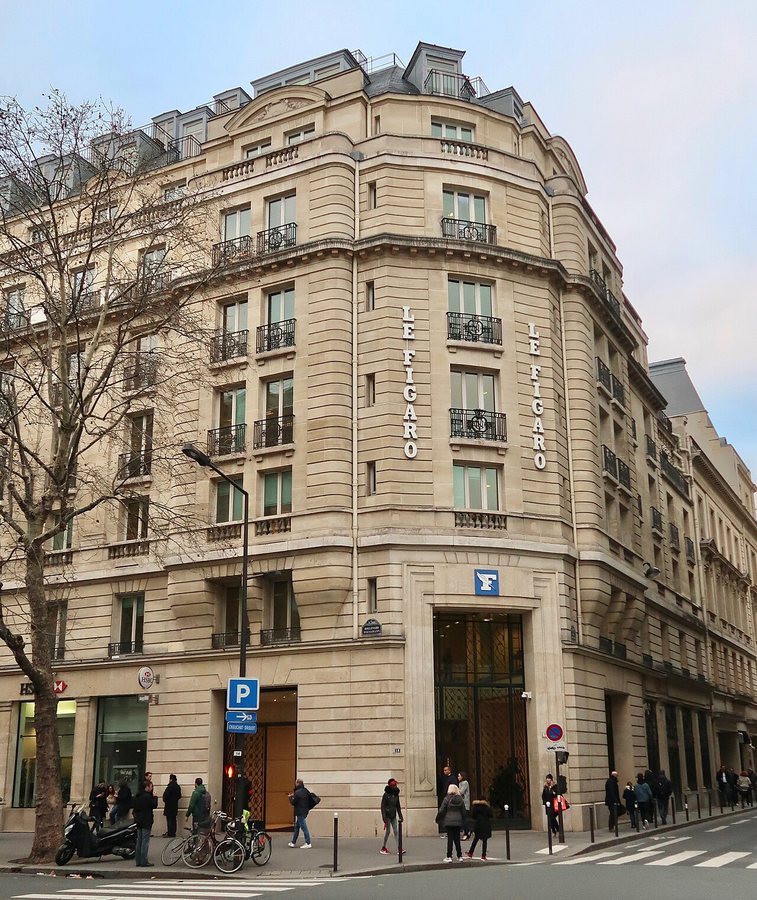
Le Figaro was founded in 1826 and is still considered a newspaper of record.
French wines are usually made to accompany French cuisine.
Since 1903 the Tour de France has been the most prestigious of the Grand Tours and the world's most famous cycling race.
12 images

France has long been a global centre of art, science, cuisine and philosophy. It hosts 54 UNESCO World Heritage Sites and is the world's leading tourist destination, receiving 102 million foreign visitors in 2025. Its economy ranks among the largest globally, and it is an official nuclear-weapon state and a member of many international organisations.

In 334 languages

EnglishČeštinaDeutschEspañolFrançaisItaliano日本語PolskiPortuguêsРусскийУкраїнська中文AbkhazianAcehneseAdygheAfrikaansShqipAmiአማርኛOld EnglishOboloAngikaAragoneseAramaicالعربيةMoroccan ArabicEgyptian ArabicAsturianuঅসমীয়াAtikamekwKotavaAvaricAwadhiAymaraAzbAzərbaycanBalineseBavarianbat-smgБашҡортBatak TobaBikolBdrБеларускаяBetawiБългарскиBhojpuriBislamaBanjarBlkBamanakanবাংলাBolབོད་སྐད་BishnupriyaBrezhonegBosanskiBtmBugineseБуряадCatalàcbk-zamCdoCebuanoНохчийнᏣᎳᎩChamorroCheyenneکوردیی ناوەندیCorsicanCrimean TatarKashubianChurch SlavicЧӑваш чӗлхиCymraegDagDanskDgaDinkaZazaDolnoserbšćinaCentral DusunDtyDivehiརྫོང་ཁEʋegbeΕλληνικάEmlEsperantoEestiEuskaraExtremaduranAkanفارسیPulaarfiu-vroSuomiFijianFonFøroysktArpitanNorthern FrisianFurlanFryskGagauzGan ChineseGaeilgeGcrGàidhligGilakiGalegoGuaraniकोंकणीGorontaloGothicGpeWayuuFrafraગુજરાતીGuwGaelgHakka ChineseHausaʻŌlelo HawaiʻiעבריתFiji Hindiहिन्दीHrvatskiHornjoserbšćinaHaitian CreoleMagyarՀայերենHywInterlinguaIbanBahasa IndonesiaInterlingueIglIgboInupiaqIlokoIngushIdoIsvÍslenskaInuktitutJamaican Creole EnglishLojbanJawaKara-KalpakTaqbaylitKaiJjuქართულიKabardianKbpTyapKgeKongoGikuyuҚазақшаខ្មែរKanuriಕನ್ನಡKomi-Permyak한국어Karachay-BalkarKölschکٲشُرKusKurdî (kurmancî)KomiKernewekКыргызчаLadinoLatinLëtzebuergeschLezghianLingua Franca NovaLugandaLigureLimburgishLldLombardLingálaລາວLatgalianLietuviųLatviešuMadureseMagahiमैथिलीmap-bmsMokshaMalagasyMariMinangkabauMāoriМакедонскиമലയാളംমৈতৈলোন্МонголMnwMossiमराठीMelayuMaltiMirandeseErzyaမြန်မာمازرونیNeapolitanNeddersass’sch (Nedderlannen)Neddersass’schनेपालीNewariNiasNederlandsNorsk nynorskNovialNorskߒߞߏNrmSouth NdebeleSesotho sa LeboaNupNavajoNyanjaOccitanOloOromooИронPangasinanPampangaPapiamentoਪੰਜਾਬੀPicardNaijíriá PíjinPennsylvania GermanPalatine GermanPaliPiemontèisWestern PanjabiPonticPplپښتوPwnRunasimiRkiRumantschRomanyIkirundiroa-rupRoa (Tara)RomânăRusynIkinyarwandaСаха тылаᱥᱟᱱᱛᱟᱲᱤसंस्कृत भाषाSicilianuScotsSarduسنڌيDavvisámegiellaSängöⵜⴰⵛⵍⵃⵉⵜတႆးSrpski (latinica)සිංහලSkrSlovenčinaSlovenščinaAnarâškielâSamoanChiShonaSoomaaliShqipSranan TongoСрпскиSwatiSaterland FrisianSesothoBasa SundaSvenskaKiswahiliSylŚlōnskiSzyதமிழ்TayTetumతెలుగుТоҷикӣไทยትግርኛTürkmen diliFilipinoTalyshSetswanaToki ponaLea fakatongaTok PisinTarokoTürkçeTsongaТатарTumbukaAkanТываTahitianUdmurtئۇيغۇرچەاردوO‘zbekVenetoVepsVendaTiếng ViệtWest FlemishVolapükWarayWalloonWolofWu ChineseIsiXhosaMingrelianייִדישÈdè YorùbáVahcuenghZeelandicⵜⴰⵎⴰⵣⵉⵖⵜzh-yueIsiZulu

Редакція Factograf · Published October 14, 2026 · Partly based on Wikipedia, CC BY-SA 4.0 · Source article