
Formula One (F1) is the highest class of worldwide open-wheel, single-seater racing, run by the Formula One Group and sanctioned by the Fédération Internationale de l'Automobile (FIA). Its World Championship, first held in 1950, is often considered the pinnacle of motorsport. The word formula refers to the set of rules that all participating cars must follow. A season consists of races called Grands Prix, held on purpose-built circuits or closed public roads in several countries and continents, and points determine annual championships for drivers and constructors.
Origins and early years


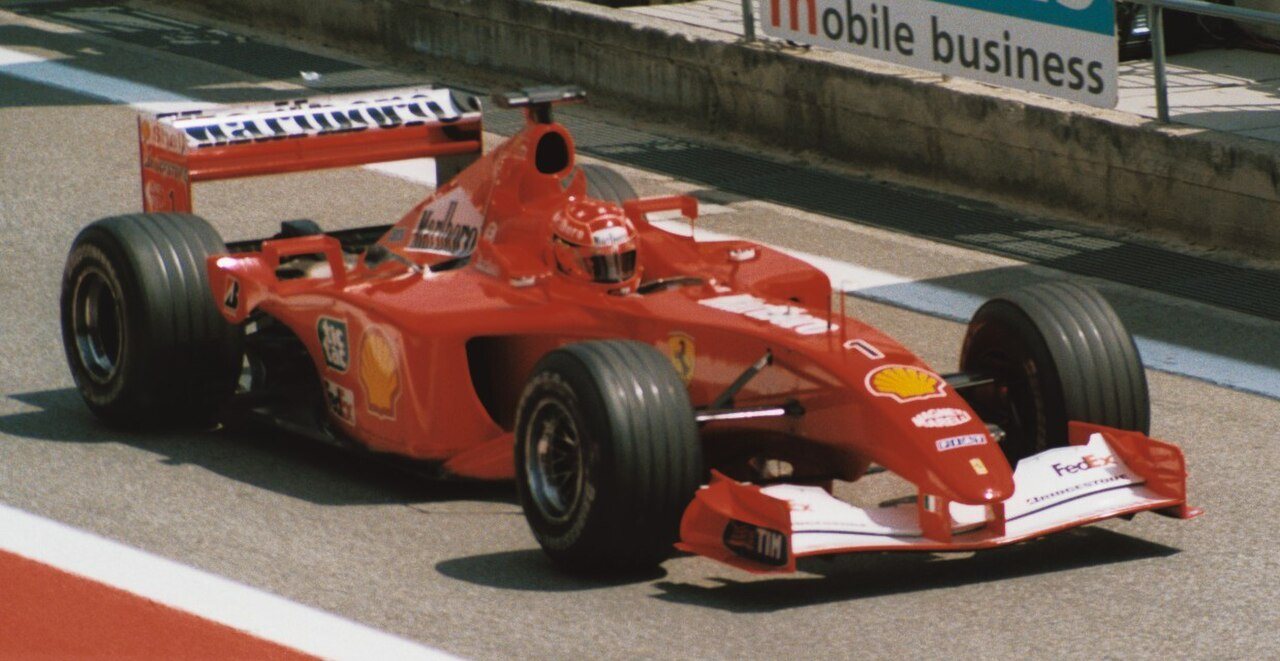


Formula One grew out of earlier European racing championships, and its rules were agreed in 1946 for use from 1947. The new World Championship began in 1950 with the British Grand Prix at Silverstone. Juan Manuel Fangio won five drivers' titles, a record that stood for 46 years until Michael Schumacher won his sixth in 2003. A constructors' championship was added in 1958.
Technical development


Mid-engined cars became standard by 1961, and aluminium monocoque chassis and aerodynamic wings later changed car design. Ground-effect aerodynamics in the late 1970s produced downforce far greater than the car's weight. Electronic driving aids were banned in 1994, briefly allowed in 2001, and banned again in 2004 and 2008. Today, cost caps limit team spending, though total costs often exceed the limit.