
Felix Dzerzhinsky (1877–1926), nicknamed Iron Felix, was a Bolshevik revolutionary and politician of Polish origin. From 1917 until his death in 1926, he led the first three Soviet secret police organizations, the Cheka, the GPU and the OGPU, establishing state security organs for the new Soviet government. Born into a family of Polish nobility in the Russian Empire, he embraced revolutionary politics early, was repeatedly arrested and exiled, and joined Vladimir Lenin's Bolsheviks after the 1917 revolutions.
Early life


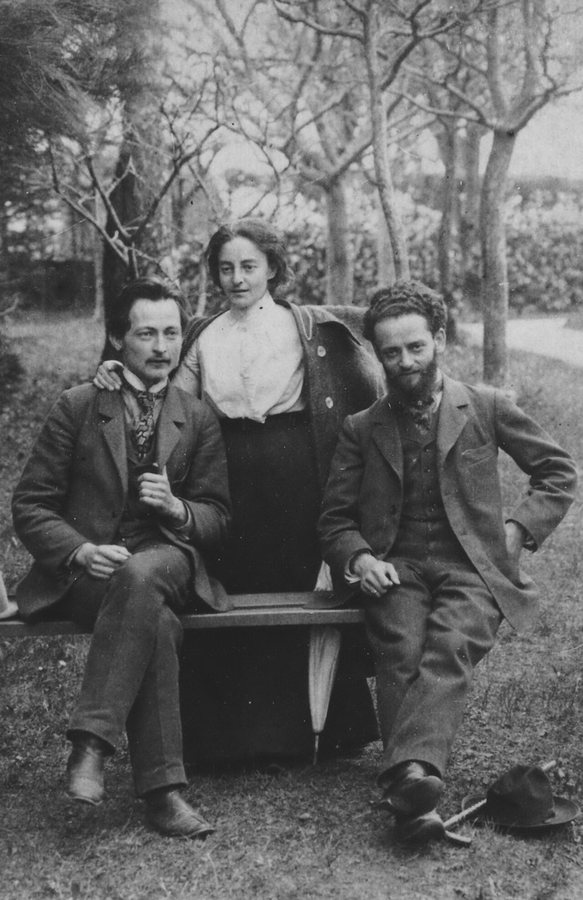


Dzerzhinsky was born in 1877 to Polish parents of old noble descent on a family estate in Russian Poland, now in Belarus. His father was a teacher of physics and mathematics who died of tuberculosis when Felix was a child. Dzerzhinsky became fluent in several languages and attended the Vilnius Gymnasium, where he was later expelled for revolutionary activity and for posting socialist slogans at the school. He had already joined a Marxist group and soon became active in Social Democratic circles in Kaunas and Warsaw.
Revolutionary career


Dzerzhinsky was arrested several times and was exiled to Siberia, from which he escaped on each occasion. He helped found the Social Democracy of the Kingdom of Poland and Lithuania in 1899 and took part in the failed 1905 revolution. After a final arrest in 1912, he remained imprisoned until the February Revolution of 1917. He then joined the Bolsheviks and played an active role in the October Revolution that brought them to power.
Head of the secret police


In December 1917, Lenin appointed Dzerzhinsky to head the newly created All-Russian Extraordinary Commission, known as the Cheka, which was tasked with suppressing counter-revolutionary activity. During the Russian Civil War its authority expanded greatly, and it carried out mass arrests, detentions and executions in the Red Terror. The agency was later reorganized as the GPU and then the OGPU, with Dzerzhinsky remaining its leader. He died of a heart attack in 1926. Secret police agents revered him as a revolutionary hero, while critics of the Soviet government came to see him as a symbol of repression.