
Equatorial Guinea, officially the Republic of Equatorial Guinea, is a country on the west coast of Central Africa and the only Spanish-speaking country in Africa. Its mainland region, Río Muni, is joined by the insular region of Bioko and Annobón in the Gulf of Guinea. Formerly the colony of Spanish Guinea, it gained independence in 1968. The Fang people form the dominant ethnic group, and Spanish is the main official language, alongside French and Portuguese. The country has become a significant oil producer since the mid-1990s.
Colonial and independence history


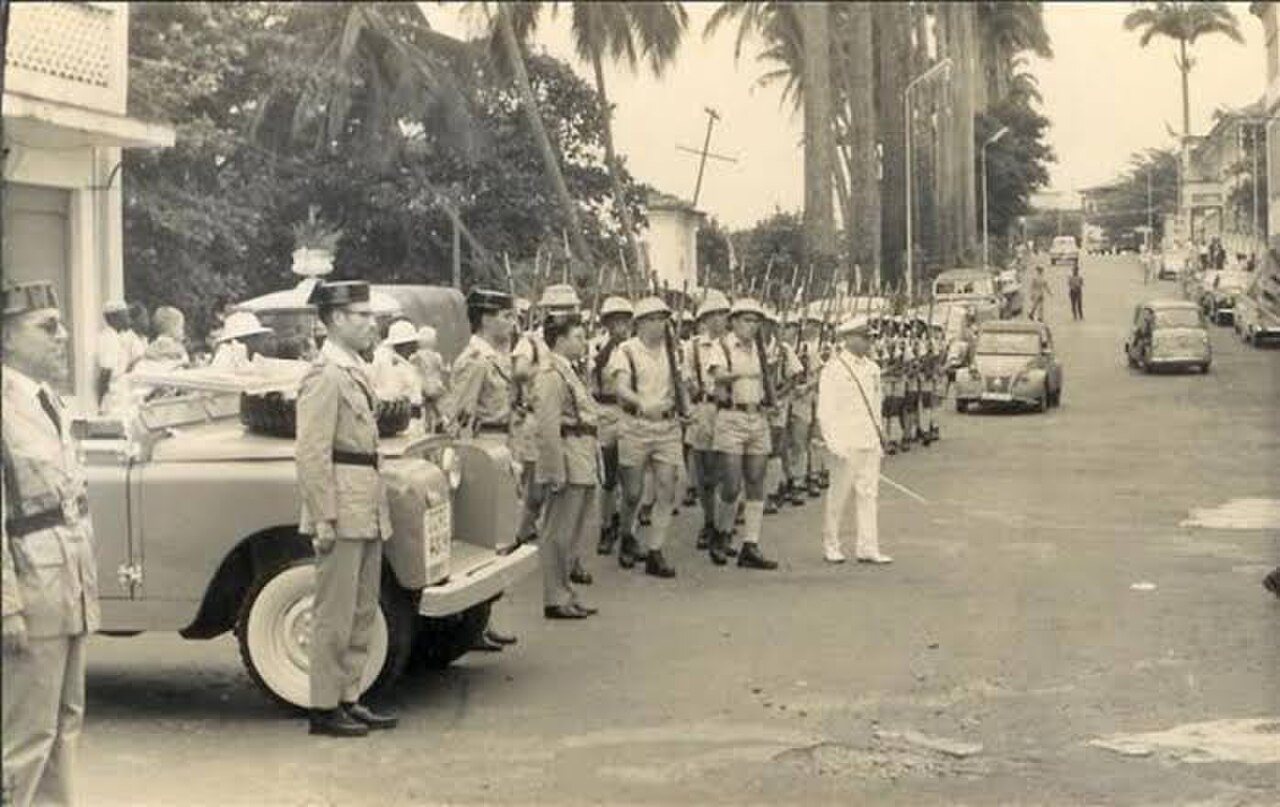


Portuguese explorer Fernando Pó reached Bioko in 1472, and Portugal later ceded the territory to Spain under the 1778 Treaty of El Pardo. During the Scramble for Africa it was declared Spanish Guinea. The country became independent in 1968 under Francisco Macías Nguema, whose rule was marked by brutality. He was overthrown in 1979 by his nephew, Teodoro Obiang Nguema Mbasogo, who has remained president since then and whose government has been widely described by foreign observers as a dictatorship.
Economy and human rights


Oil production has made Equatorial Guinea one of the richest countries per capita in Africa, yet this wealth is unevenly distributed. The country ranks high in Sub-Saharan Africa on the Human Development Index and has reduced child mortality considerably since 1990. Human rights organisations, Freedom House and Reporters Without Borders have criticised the government, and human trafficking is recognised as a significant problem in the country.