
Elizabeth (Elizaveta Petrovna, 1709–1762) was Empress of Russia from 1741 until her death in 1762. She is remembered as one of the most popular Russian monarchs, largely because she executed no one during her reign, sponsored many construction projects, and strongly opposed Prussian policies. She was the daughter of Peter the Great and Catherine I, and her reign continued her father's policies while encouraging a notable flourishing of learning, architecture and the arts at court.
Early life
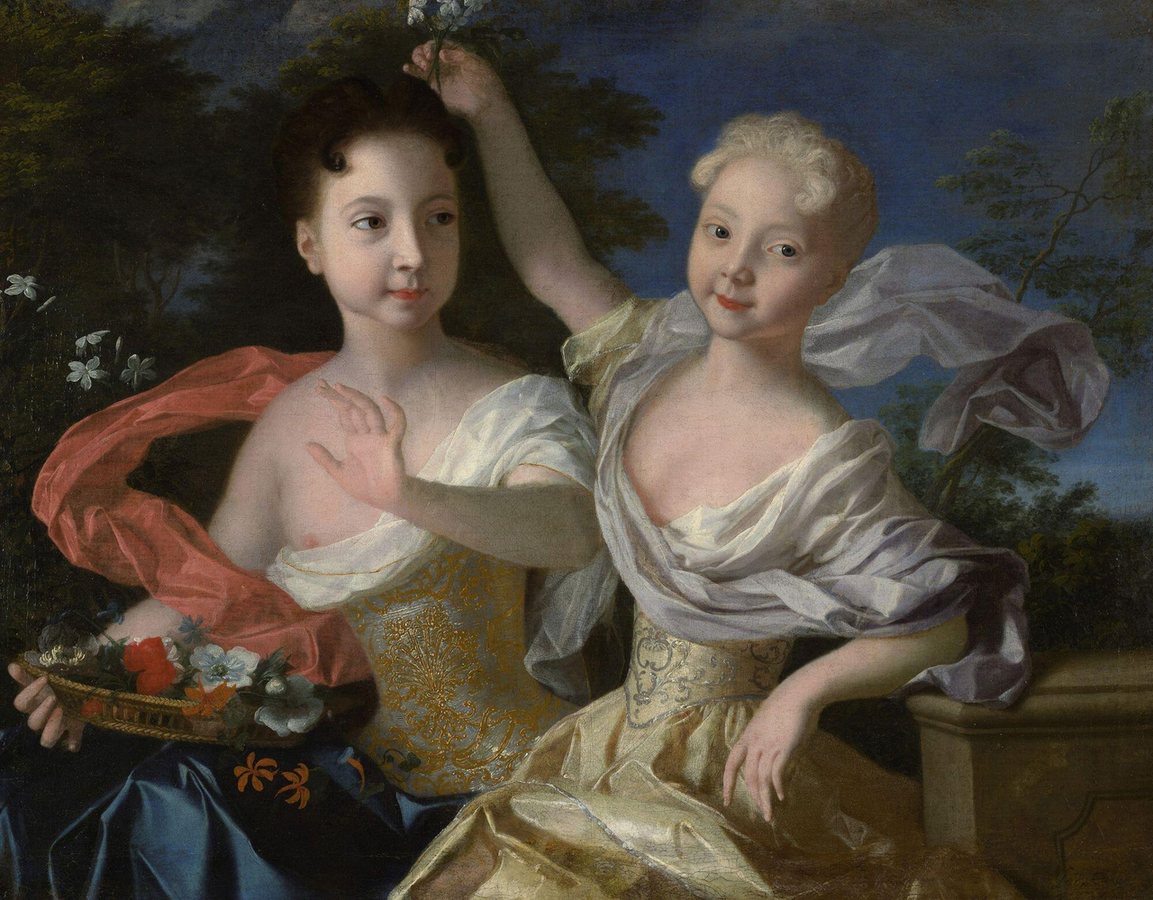


Elizabeth was born near Moscow in 1709 to Peter the Great and Catherine, a former housemaid who later became Catherine I. Her parents' marriage was formalised only after she was born, and her own legitimacy was questioned by European courts, which affected her marriage prospects. Her father adored her and she resembled him in appearance and temperament, but her education was limited. She was taught mainly French, and she developed skills in dancing, riding, and other pursuits.
Rise to power


After her half-brother's death and a series of short reigns by her mother, her cousin, and a royal infant, Elizabeth seized the throne in 1741 with the support of the military. She then named her nephew, the future Peter III, as her heir, ensuring the Romanov line would continue through the house of Holstein-Gottorp-Romanov after her death.
Reign and legacy


Her reign saw the founding of the University of Moscow and the Imperial Academy of Arts, and extensive Baroque building projects by the architect Bartolomeo Rastrelli, including the Winter Palace in Saint Petersburg. Russia fought the War of the Austrian Succession and the Seven Years' War, the latter bringing Russian forces into Berlin before the empress died in 1762.