
Elizabeth I (1533–1603) was Queen of England and Ireland from 1558 until her death in 1603. She was the last monarch of the House of Tudor and had the longest reign of that dynasty. Her reign shaped English history and culture so strongly that the period is known as the Elizabethan era. She never married, which earned her the nickname the "Virgin Queen", and she was succeeded by her cousin James VI of Scotland.
Early life


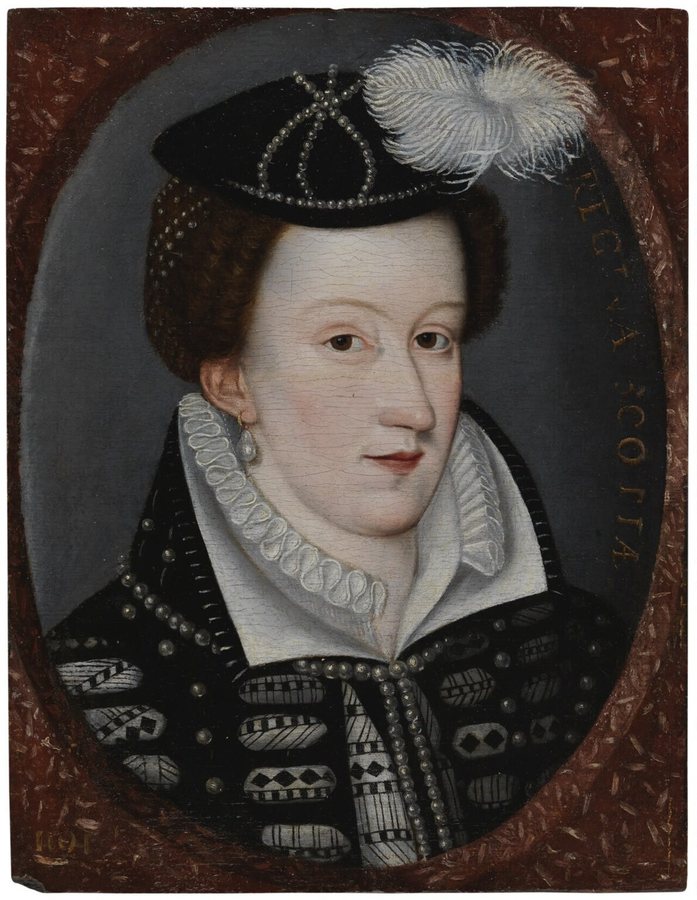


Elizabeth was the only surviving child of Henry VIII and his second wife, Anne Boleyn. After her mother was executed when Elizabeth was a toddler, she was declared illegitimate, though Henry later restored her to the line of succession. Under her half-brother Edward VI and her half-sister Mary, her position was uncertain, and she was imprisoned for nearly a year during Mary's reign on suspicion of supporting Protestant rebels. She received an unusually strong education, learning several languages and translating classical works.
Reign and legacy


Upon Mary's death, Elizabeth became queen and relied on trusted advisers, led by William Cecil. She established an English church with herself as its supreme governor, a arrangement that evolved into the Church of England. Her government was more moderate than her predecessors', and she avoided systematic religious persecution. Her reign saw the flourishing of English drama, maritime exploration and the defeat of the Spanish Armada, and her long rule brought stability that helped forge a sense of national identity.