factograf
EN
Sign in

city in Warmian-Masurian Voivodeship, Poland

Elbląg

Elbląg

Elbląg is a city in the Warmian-Masurian Voivodeship of northern Poland, with 127,390 inhabitants as of December 2021. It is the capital of Elbląg County and lies on the eastern edge of the Żuławy region. Founded in 1237, it is one of the oldest cities in its province. Its historic role as a port, a Hanseatic member and a trading hub has shaped its identity, and it is known today for its historic monuments, archaeological sites, museums and a major brewery.

Medieval and Modern History

Tenement houses in Elbląg
Elbląg, AB-018
Elbląg, AB-018
Elbląg River in Elbląg, photo 8
Library in Elbląg, former hospital
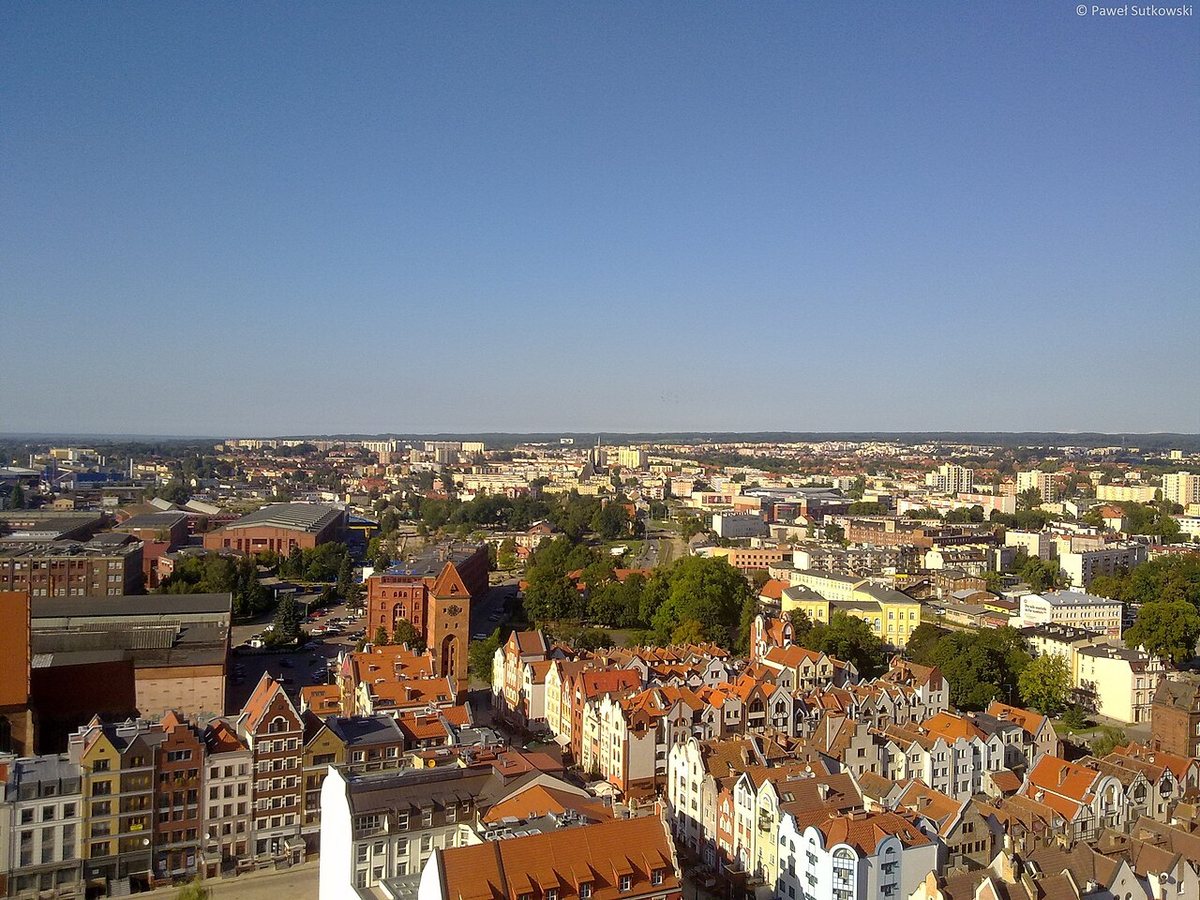
Aerial view of the Old Town
Early 3rd-century silver bracelet in the Archaeological and Historical Museum in Elbląg
Ancient amber necklaces in the Archaeological and Historical Museum in Elbląg
Medieval church path between tenements connecting the churches of the Old Town
City seal from 1350
City seal from 1350
St. Nicholas Cathedral, the oldest church in Elbląg
Renaissance relief with the coat of arms of Poland and the monogram of King Sigismund II Augustus from the facade of the former town hall
Łukasz Górnicki, Droga do zupełney wolności, Elbląg 1650
12 images

The Teutonic Knights founded the citadel in 1237 to prevent the reoccupation of the nearby Old Prussian settlement of Truso. As a Hanseatic League member, the city was linked to major ports of northern and central Europe. It joined Poland in 1454 and was an important port for English–Polish trade until 1772, when Prussia annexed it. Industrialization in the 19th century revived its economy and brought the Elbląg Canal, now a tourist site and engineering monument.

Wartime Destruction and Rebuilding

Samuel Brodowski, Corpus Juris Militaris Polonicum, Elbląg 1753
Aleksander Manzoni, Oda, Elbląg 1831
View of Elbing from a 1720 atlas by Pieter van der Aa, based on an earlier print by Matthäus Merian
Panorama from Granary Island in 1930
Memorial at the site of a subcamp of the Stutthof concentration camp
EB, Polish beer produced by the Elbrewery Company in Elbląg
Market Gate (Brama Targowa) in Elbląg
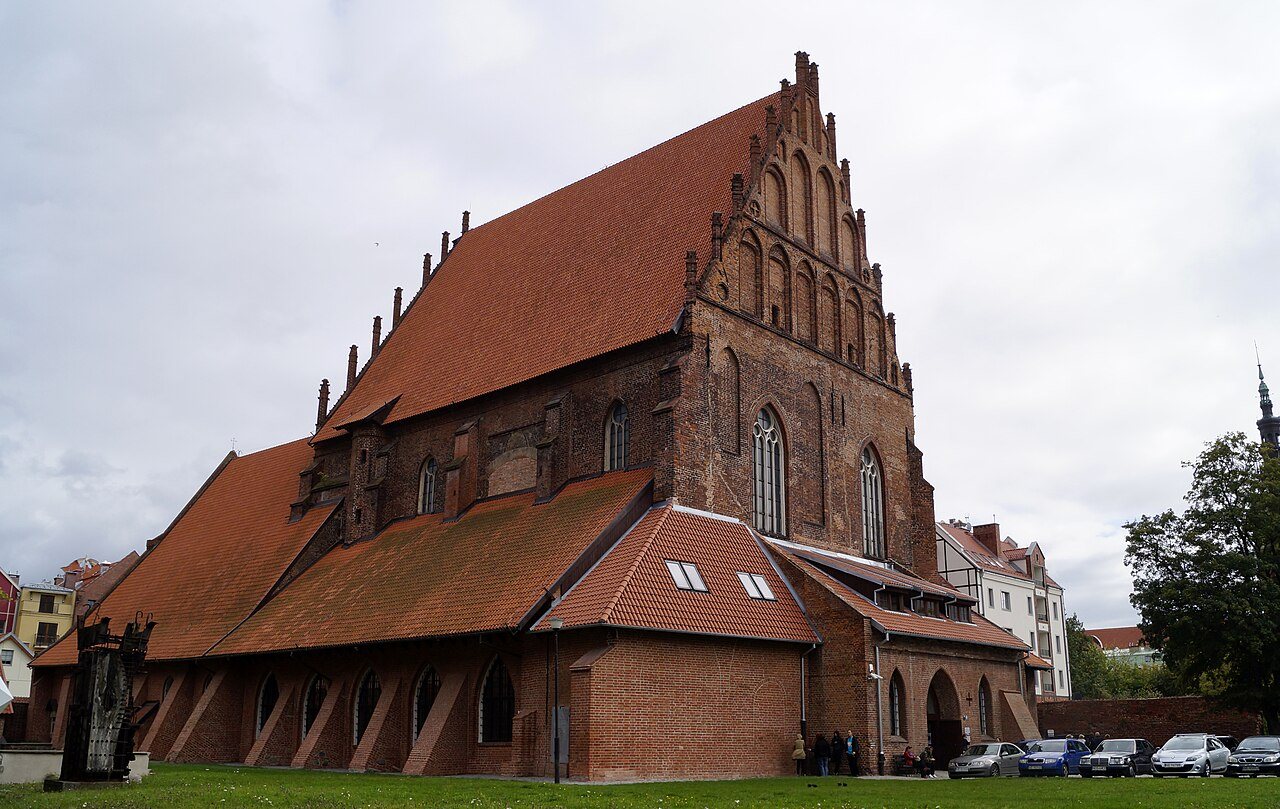
Former Dominican church in Elbląg
Elbląg Main Railway Station
Elbląg Higher School of Arts and Economics
Theological Seminary in Elbląg
Khachkar in Elbląg
Khachkar in Elbląg
12 images

During World War II the Old Town suffered severe destruction. After the war the city became part of Poland again and was resettled with Polish citizens. Reconstruction of the inner city began gradually and around 2000 proceeded in a style emulating the previous architecture, often on the original foundations and using old bricks. The western suburbs of the old city have not been rebuilt.

In 67 languages

Редакція Factograf · Published October 14, 2026 · Partly based on Wikipedia, CC BY-SA 4.0 · Source article