
Earth is the third planet from the Sun and the only astronomical object known to harbor life. It is an ocean world, the only one in the Solar System with liquid surface water, which covers about 70.8% of its crust. Its rocky, dense structure, dynamic atmosphere and single natural satellite, the Moon, shape its surface conditions and climate. Earth formed about 4.5 billion years ago, and life has been altering its atmosphere and surface ever since.
Atmosphere and climate



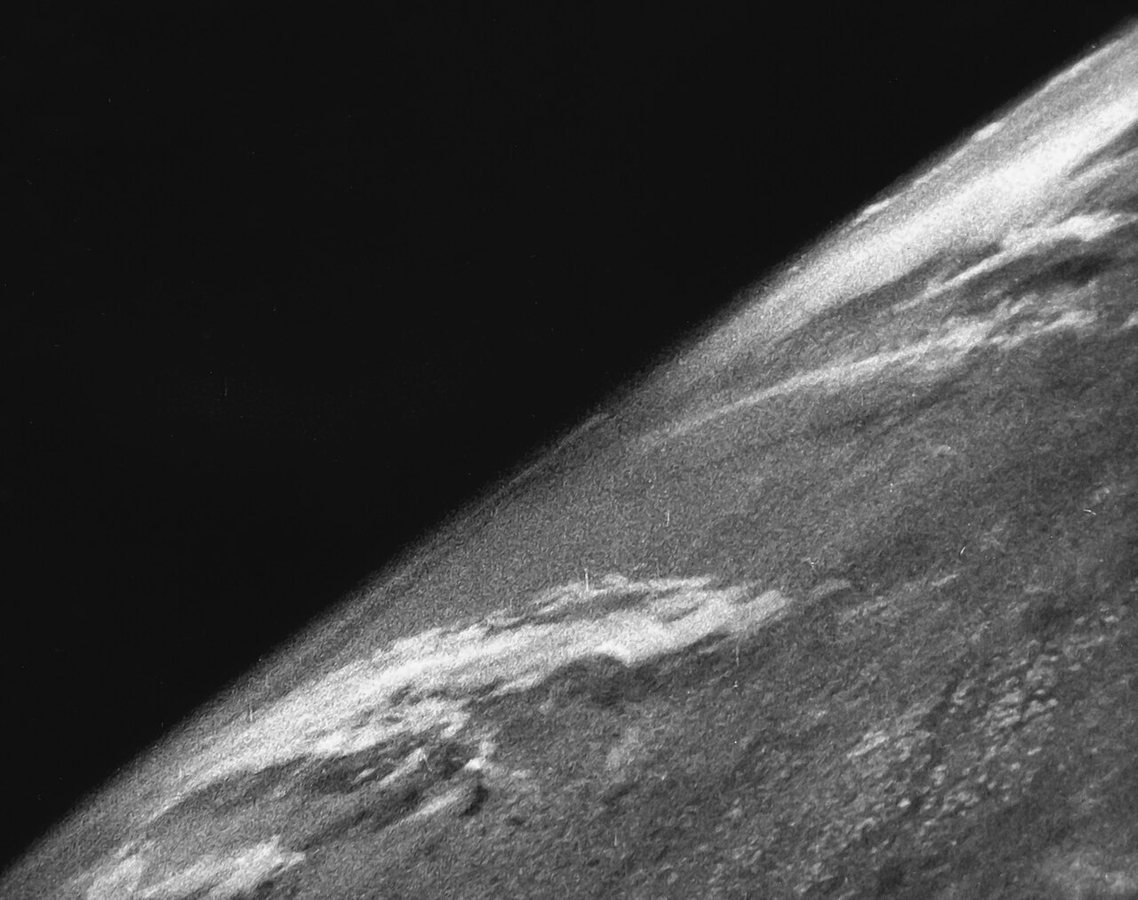
Earth's atmosphere is composed mainly of nitrogen and oxygen, with water vapor forming clouds that cover much of the planet. Water vapor and other greenhouse gases, particularly carbon dioxide, trap energy from sunlight and keep the average surface temperature at about 14.76 °C, allowing water to remain liquid. Differences in solar heating between regions drive ocean and atmospheric currents and a global climate system.
Formation and history




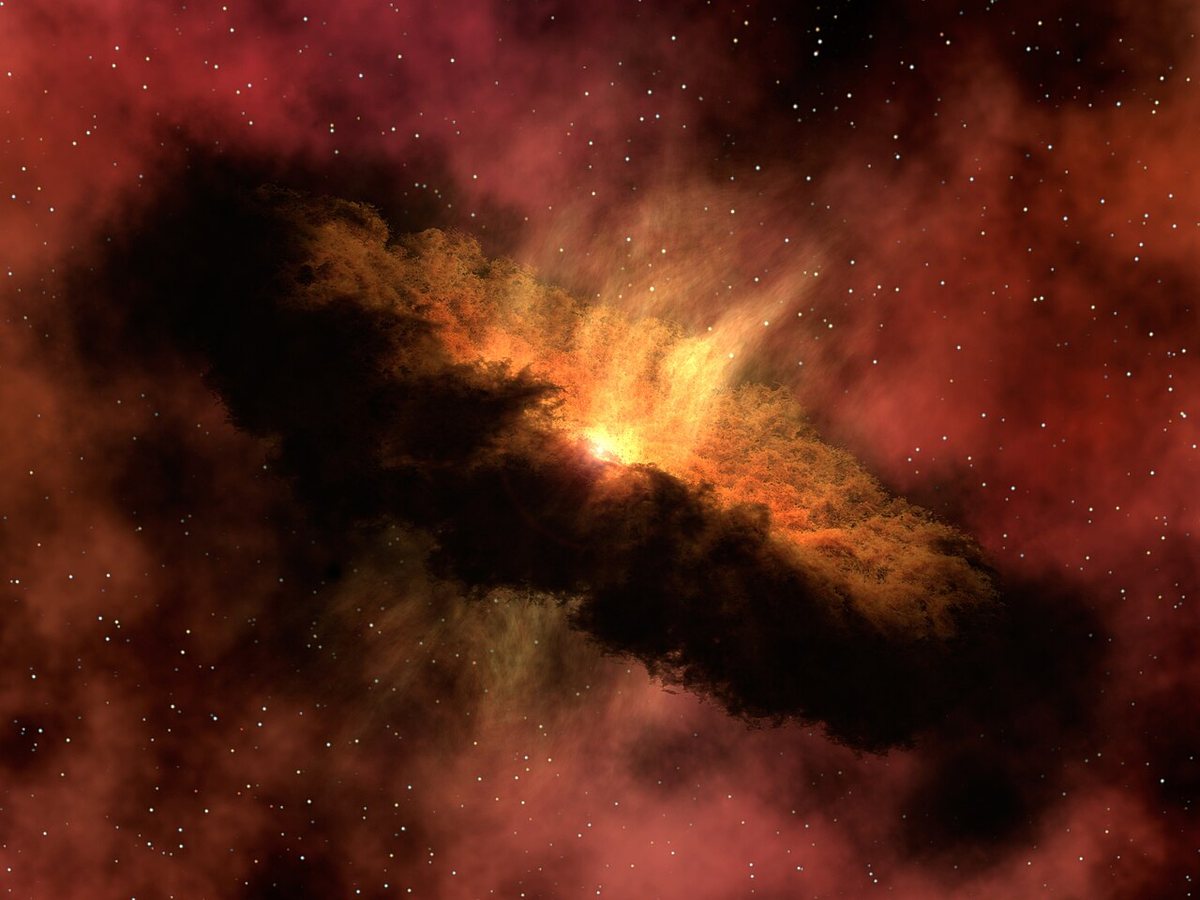
Earth formed about 4.5 billion years ago from gas and dust in the early Solar System. The ocean and early life developed during its first billion years. Life spread across the planet and changed its atmosphere, leading to the Great Oxidation Event about two billion years ago. Humans emerged about 300,000 years ago in Africa and have since spread across every continent, depending on Earth's biosphere while increasingly affecting its environment.