
John Duns Scotus was a prominent Scottish Franciscan friar, theologian, and philosopher who lived from approximately 1265 to 1308. A highly influential figure in late medieval Western Christendom, he taught at prestigious institutions such as the University of Oxford and the University of Paris. Known for his penetrating intellect, he earned the nickname Doctor Subtilis (the subtle Doctor). His extensive academic contributions, particularly his commentaries on the works of Peter Lombard, established a distinct intellectual tradition known as Scotism.
Intellectual contributions


His philosophical work introduced several significant concepts, including the univocity of being and the principle of haecceity, which describes the specific quality that makes an object an individual. He also developed the theory of formal distinction and provided complex arguments regarding the existence of God. Additionally, he was a notable defender of the doctrine of the Immaculate Conception.
Life and death

Born in Duns, Scotland, he joined the Order of Friars Minor and was ordained a priest in 1291. His academic career involved lecturing in Oxford and Paris, though he was once expelled from the University of Paris due to political conflicts between the papacy and the French monarchy. He died unexpectedly in Cologne in November 1308 and was buried in the local Franciscan church.
Veneration
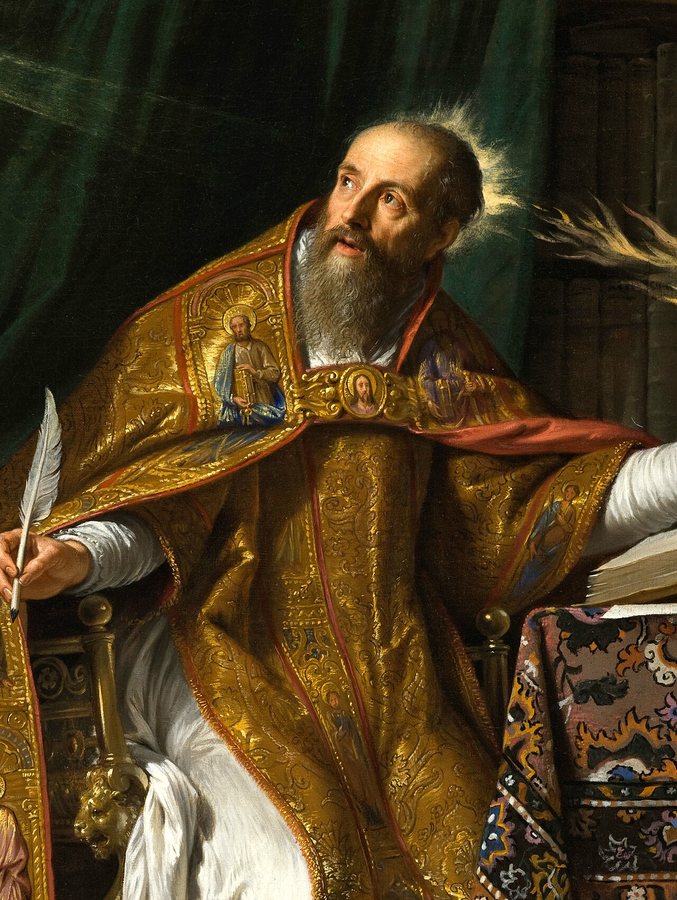
He is a blessed in the Catholic Church and is commemorated on November 8. His legacy continues through the Scotist tradition, and he is honored in various artistic and academic settings, including a commemorative plaque at the University Church in Oxford.