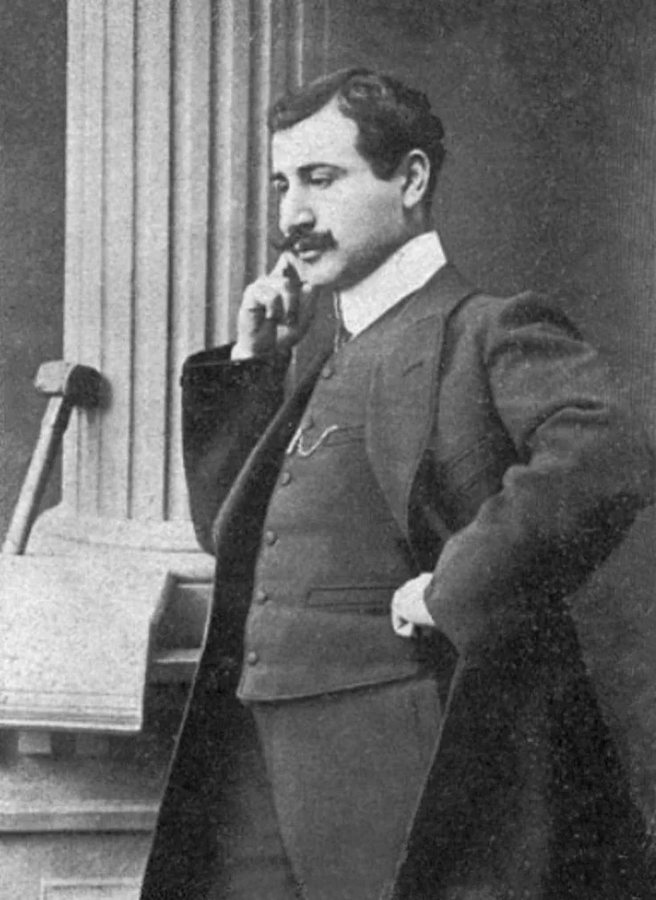
Daniel Varujan was an Armenian poet and public figure who lived during the early 20th century. Born Daniel Tchboukkiarian in the village of Prknig, he received an extensive education in Istanbul, Venice, and Belgium. He became a prominent figure in the Armenian literary scene, establishing the Mehean group to foster a cultural renaissance. His life was cut short in 1915 when he was murdered in Çankırı by the Young Turk government during the Armenian genocide. He is remembered both for his influential literary contributions and his status as a saint.
Literary work
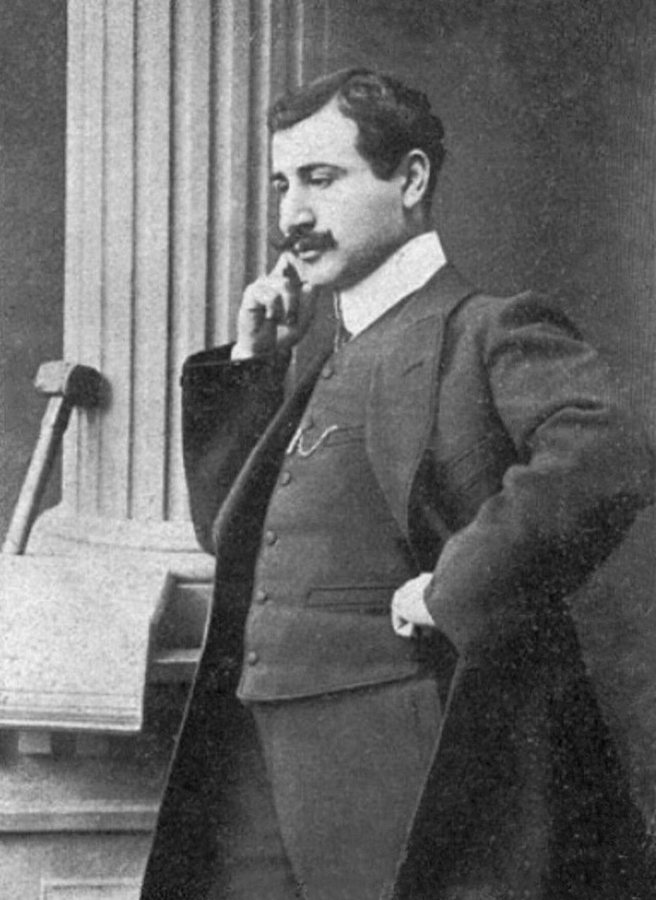
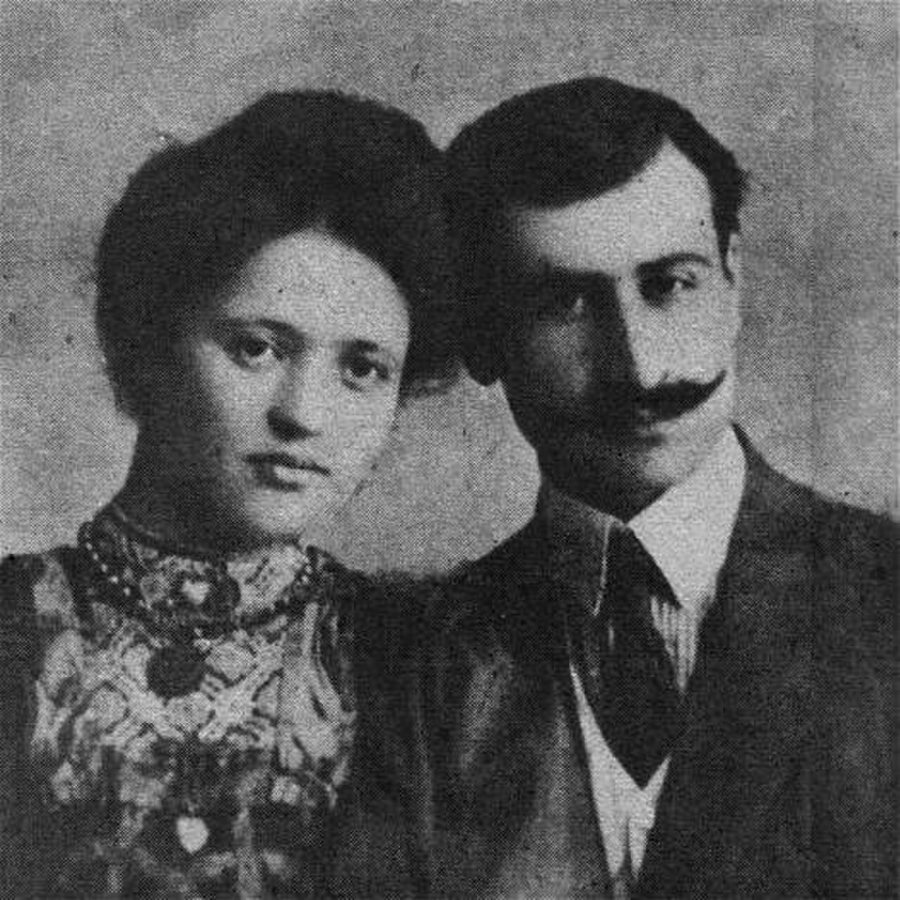
As a central figure of the Mehean movement, Varujan sought to revitalize Armenian art by expressing the nation's unique spirit. His writing often drew inspiration from ancient epics and pagan mythology. One of his most significant works, The Song of the Bread, celebrated the dignity of rural agricultural life. Although the manuscript was unfinished at his death, it was eventually published in 1921.
Death and legacy
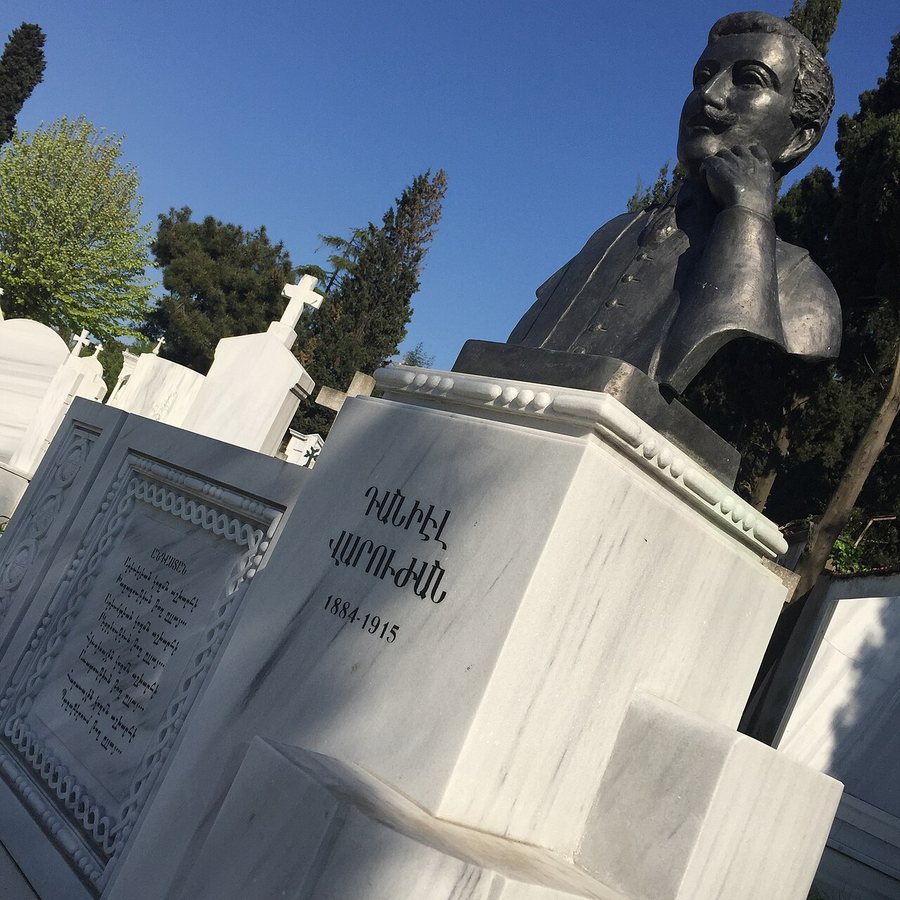
While being transported by the authorities, Varujan was intercepted and killed by individuals acting under the orders of the Ittihadist committee. This violent end occurred as he was reaching international recognition. His life and final days have been commemorated in popular culture, including an award-winning short film titled Taniel, which portrays his experiences during his final months.